China Top T Shirt Design Machine Manufacturers for Buyers
Choosing a T Shirt Design Machine from China is not just a price comparison. Buyers need to match the machine to their fabric, artwork, order volume, and finishing process. A setup for colorful cotton graphics may not suit polyester sportswear or small custom batches. The details matter.
Textile-equipment specialist Lin Wei puts the buying principle this way: “Judge the machine by repeatable results, not its best sample.” That is a useful test. Ask manufacturers for samples made on the exact model under consideration, then inspect fine lines, color consistency, wash performance, and production speed. A showroom print can look sharp under bright lights; the buyer needs to know how it holds up after normal use.
China’s manufacturers offer different combinations of printing, embroidery, and workflow equipment, so compare like with like. Check the printhead or stitching system, compatible inks or threads, software support, spare-part access, operator training, and warranty terms. Request a clear specification sheet and a live demonstration using your own artwork where possible. Small details count. A fast machine can still disappoint if setup takes too long or local support is unclear.
This guide introduces manufacturers and practical selection points for buyers comparing a T Shirt Design Machine in China. It also leaves room for an uncomfortable truth: published specifications do not guarantee consistent output. Verify claims with samples, references, and a defined acceptance test before making a purchase decision.
Understanding T-Shirt Design Machines and Their Printing Technologies
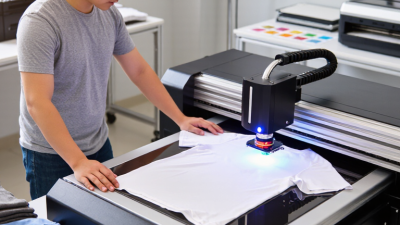
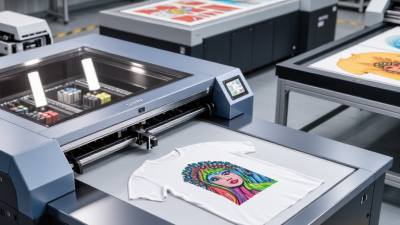
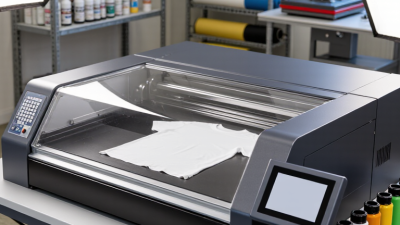
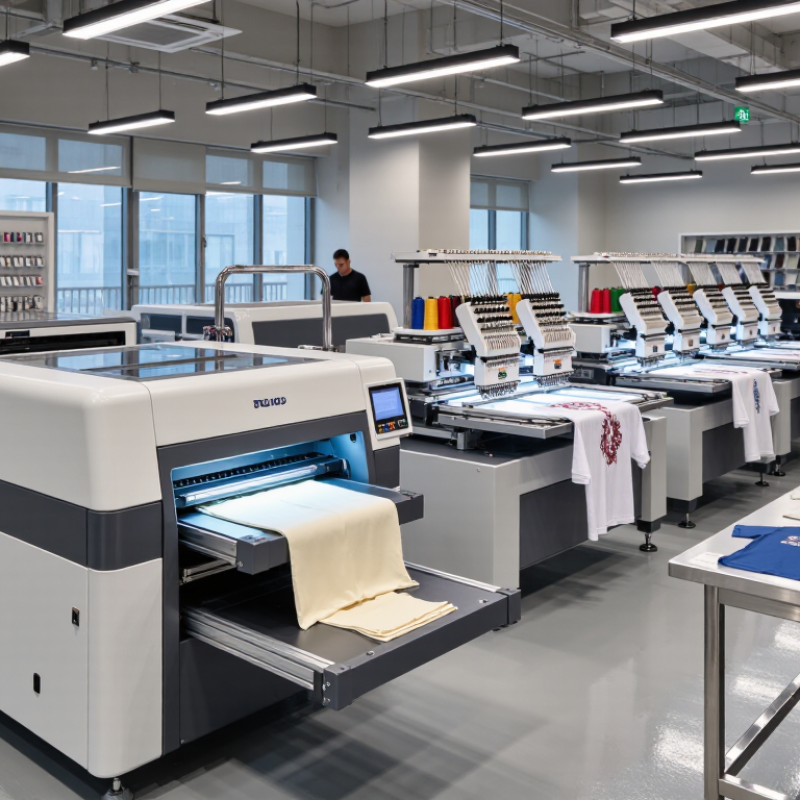
A T-shirt design machine turns artwork into a wearable print, but the printing method shapes the result. Direct-to-garment systems spray ink onto treated fabric, making them useful for detailed, multicolour designs and short runs. Direct-to-film systems print onto transfer film, which is then heat-pressed onto the shirt. Screen printing pushes ink through a mesh stencil and often suits larger batches. Sublimation bonds dye into polyester fibres, but it is not a general solution for cotton garments. Small details matter.
The Grand View Research report on digital textile printing estimated the global market at about US$2.7 billion in 2022 and forecast a 12.1% compound annual growth rate from 2023 to 2030. This broad market figure signals growing interest in digital production; it does not measure T-shirt machines alone. Buyers should compare fabric compatibility, print area, colour consistency, maintenance needs, and curing requirements. A sharp sample on one fabric may look different after washing. That part is easy to underestimate.
Tips: Print a test shirt before a production run. Check fine lines, dark areas, and the feel of the finished print. Ask how pretreatment and curing affect the workflow. A machine’s advertised speed is only one part of the real production time.
How Chinese Manufacturers Design and Produce T-Shirt Printing Equipment
Chinese manufacturers often begin with the buyer’s fabric, print volume, and required design detail. Engineers then select a printing method, printhead layout, ink-delivery system, and platen size. These choices affect speed, color consistency, and which garment sizes fit the machine. A prototype is usually tested with sample shirts before the design moves to production.
Grand View Research estimated the global digital textile printing market at USD 2.7 billion in 2023, forecasting 12.1% annual growth from 2024 to 2030. This market signal puts pressure on manufacturers to make equipment easier to operate and maintain. During assembly, technicians align printheads, check ink flow, and calibrate software. Quality teams inspect test prints for registration, color variation, and wash durability. A sharp sample matters. So does a reliable service plan. Some factories may still underestimate operator training; the machine alone cannot prevent avoidable setup errors.
Tips: Ask for print samples on your own fabric, not just a showroom swatch. Check maintenance access, spare-part availability, and test-print procedures. Request the machine’s stated speed under specified print conditions, since production results vary.
Key Features and Capabilities of Leading Chinese Machine Manufacturers
Leading Chinese T-shirt printing machine manufacturers increasingly offer direct-to-garment and digital transfer systems, with adjustable platens, automated positioning, and integrated curing options. These features matter on a real production floor. A 30-centimeter chest print needs steady registration, while repeated designs demand consistent ink coverage across successive garments. Buyers should ask for sample runs on their own cotton and polyester blends, not just view a polished showroom print. Small variations happen.
Grand View Research estimated the global digital textile printing market at about US$2.7 billion in 2023, projecting a 12.1% compound annual growth rate through 2030. This market trend supports interest in flexible short-run production, but it does not prove any machine’s output quality. Check print resolution alongside practical measures: garments per hour, wash-test results, color consistency, and curing time. Ask whether the quoted speed includes loading, alignment, and routine cleaning. It often does not. Service access matters too: request a parts list, maintenance schedule, and response-time expectations before purchase. A capable machine should produce repeatable results on your fabric, with operators able to clear common errors without prolonged downtime.
How Buyers Can Compare Suppliers, Machine Specifications, and Customization
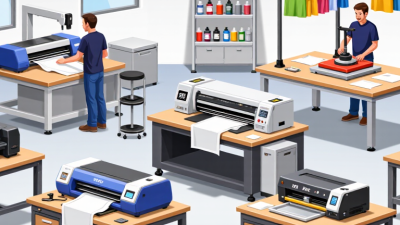
When comparing China-based T-shirt design machine suppliers, match the machine to your actual workload. Check its printing method, usable print area, resolution, and hourly output. A sample showing fine lettering and solid color blocks can reveal more than a sales claim. Ask how often the printhead needs cleaning and which parts require routine replacement. A low purchase price may not mean low operating costs.
Tips: Request a printed sample on your own fabric. Compare color consistency, wash-test results, and small details. Ask for a written list of included accessories, warranty coverage, training, and response times for technical support.
Customization matters, but define it clearly. Confirm whether the supplier can adjust the platen, software settings, or workflow for your garment sizes and order volume. Ask for a demonstration using a design file similar to yours. Check the power requirements, installation space, and operator training before arranging delivery. Specifications can look tidy on paper; real production is less predictable. No comparison is perfect, so record what you tested and where uncertainty remains.
How Buyers Can Compare T-Shirt Printing Machine Suppliers
A practical example of how a buyer might allocate 100 points when evaluating suppliers. These suggested weights are a planning framework, not survey results or market averages.
Compare the same specifications across suppliers, including print area, output speed, compatible materials, power requirements, warranty, and available customization. Adjust the weights to match your production needs.
Assessing Quality, Certifications, Support, and Total Cost of Ownership
China Top T Shirt Design Machine Manufacturers for Buyers
Assessing Quality, Certifications, Support, and Total Cost of Ownership
A machine’s quoted price says little about its real value. Check print consistency across repeated runs, alignment on different shirt sizes, and how easily operators can clean printheads. Ask for sample prints on your own fabric, not only showroom cotton. Textile Exchange’s Materials Market Report 2024 estimated global fiber production at 124 million tonnes in 2023. That scale makes reliable production important, but a large market does not prove any machine will suit your shop. Paper is not proof. Treat quality certificates as evidence to verify: check their scope, expiry date, and whether they cover the factory or the specific process.
Support can affect costs long after installation. Confirm response times, spare-part availability, training, and whether remote troubleshooting is included. The U.S. Department of Energy’s compressed-air sourcebook reports that leaks can waste 20–30% of compressor output. If a machine uses compressed air, ask about pressure requirements and maintenance checks. Build a five-year estimate covering ink, energy, labor, maintenance, rejected garments, and downtime. A spreadsheet can still miss messy realities, such as a delayed part during peak season.
Tips: Request a live production test and a written service agreement. Compare usable output per hour, not advertised maximum speed. Ask how much routine maintenance takes, and who pays for travel or replacement parts. Then check those answers against your own order sizes.