The 2026 Best T Shirt Printing Machine for Global Buyers? That question needs more than a glossy specification sheet. A reliable T Shirt Printing Printer Machine must match fabric type, daily volume, operator skill, maintenance access, and local service support. A small studio may value a compact direct-to-garment printer, while a contract producer may need faster curing, automated pretreatment, and stable color control.
Industry forecasts show why this decision matters. Smithers’ “The Future of Digital Textile Printing to 2028” reports continued expansion in digitally printed textile volume, supported by shorter production runs, customization, and reduced sampling waste. Grand View Research also identifies digital textile printing as a strong-growth market, although estimates vary by research method and product category. The figures are useful, but not perfect. Buyers should check assumptions before trusting them.
Ronen Samuel, former CEO of Kornit Digital, described digital production as “a game changer for the fashion industry.” His point remains practical: printing technology changes business workflows, not only image quality. In real use, a bright cotton shirt can still fail if pretreatment is uneven or curing temperature drifts. Small details matter.
This guide compares print quality, white-ink performance, throughput, energy use, software compatibility, warranty coverage, and total ownership cost. It also considers regional voltage, shipping conditions, training, and spare-part availability. Some machines look cheaper at checkout. They may become expensive after repeated downtime. Global buyers should measure the full production path, not just the printer’s advertised speed.
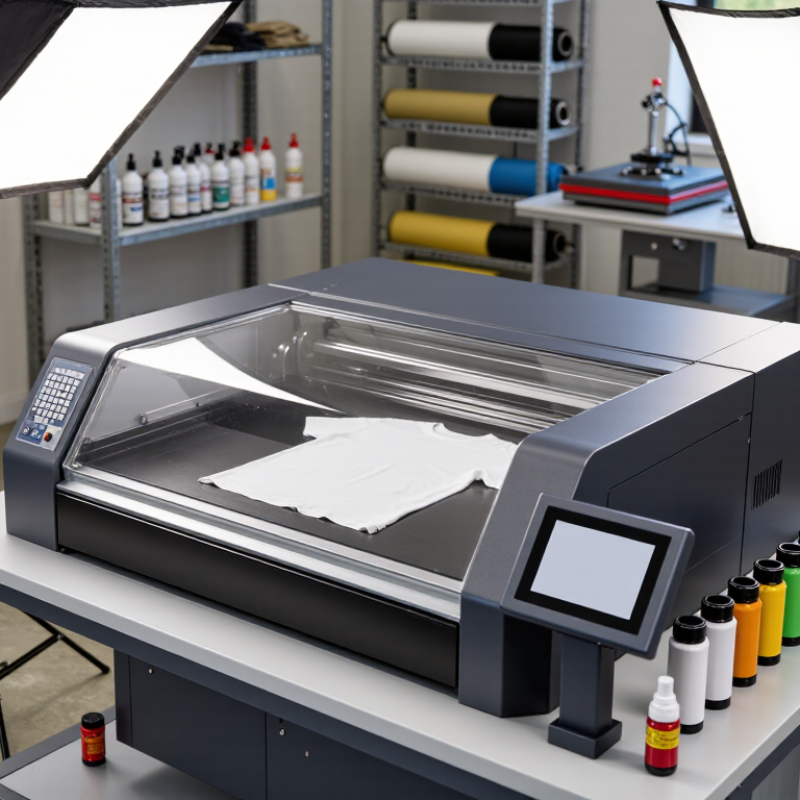
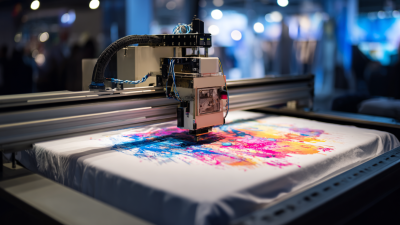
A T-shirt printing machine transfers digital artwork onto fabric through ink, film, heat, or pressure. Its job is more precise than simply “printing a shirt.” The machine must control color, fabric tension, ink flow, and curing temperature. In direct-to-garment printing, the shirt receives pretreatment before water-based ink is sprayed onto the fibers. A heat unit then cures the print. Direct-to-film systems print artwork onto coated film, apply adhesive powder, and transfer the design with a heat press. Screen-based equipment pushes ink through a stencil, making it suitable for larger batches.
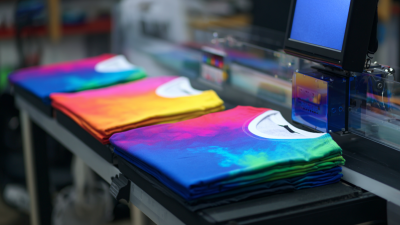
The process begins with a prepared artwork file. Operators check resolution, color profiles, and garment composition. Cotton usually absorbs water-based ink differently from polyester. That difference matters. A pale first sample is possible. Pretreatment may be uneven, especially near seams or collars. This is where real production experience becomes valuable. The operator adjusts pressure, temperature, drying time, and ink volume instead of trusting factory settings.
According to Grand View Research, the global custom T-shirt printing market reached about USD 4.3 billion in 2023, with projected growth of roughly 11.1% annually from 2024 to 2030. Smithers also identifies digital textile printing as a continuing growth area, driven by shorter runs and customized products. These figures suggest strong demand, but they do not guarantee profit. Global buyers should compare maintenance needs, consumable costs, print durability, energy use, and local technical support. The cheapest machine can become expensive when calibration fails. That part is easy to underestimate.
Typical curing temperature ranges used in common T-shirt printing workflows. Actual settings depend on the ink, fabric, coating, and manufacturer instructions.
Lower-temperature workflows can help protect heat-sensitive fabrics, while higher-temperature curing is commonly used for durable textile ink fixation.
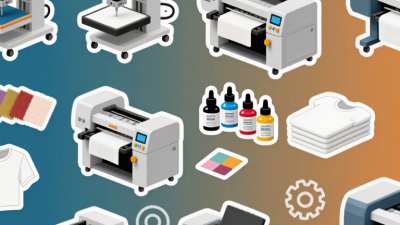
In 2026, T-shirt printing buyers can choose among direct-to-garment (DTG), direct-to-film (DTF), screen printing, sublimation, and hybrid workflows. DTG places water-based ink directly onto cotton, creating soft gradients and detailed artwork. DTF prints onto transfer film, then applies powder and heat. It suits mixed fabrics and short production runs, but the finish can feel heavier.
Screen printing remains practical for large orders. It delivers strong coverage and predictable color, although setup takes time for every design. Sublimation bonds dye into polyester fibers, producing vivid sportswear graphics. It is not suitable for ordinary cotton shirts. Hybrid machines combine processes, yet they may increase training, maintenance, and workflow complexity.
Grand View Research estimates the global digital textile printing market reached about USD 2.7 billion in 2023, with a projected compound annual growth rate above 12% through 2030. Smithers also identifies shorter runs, customization, and reduced sampling waste as major growth drivers in digital textile production. These figures support investment, but they do not guarantee profit. I still test fabric shrinkage, wash durability, ink adhesion, and color consistency before selecting equipment. Small errors become expensive at scale. A reliable 2026 setup should match fabric type, daily volume, artwork detail, ventilation, operator skill, and local compliance requirements. The cheapest machine may become the costliest choice.
2026 Best T-Shirt Printing Machine for Global Buyers?
How to Compare T-Shirt Printers for Global Buying Needs
Global buyers should compare production realities, not impressive showroom samples. Grand View Research estimated the custom T-shirt printing market at about USD 4.3 billion in 2022, with an expected 11.1% annual growth through 2030. That expansion increases equipment choices, but also creates confusion. Ask for a test print on your own cotton, polyester, and blended fabric. Check wash durability, color consistency, curing temperature, and actual output per hour. Quoted speed is often measured under ideal conditions.
Total ownership cost matters more than purchase price. A professional comparison should include ink usage, pretreatment, maintenance parts, electricity, rejected garments, training, and freight. Smithers’ digital textile printing outlook identifies productivity, shorter runs, and customization as major growth drivers. Therefore, a machine with moderate speed may outperform a faster model when setup waste is lower. Measure usable shirts per shift.
Support can decide profitability. Confirm remote diagnostics, spare-part availability, voltage compatibility, installation guidance, and local service response times. Request maintenance schedules in writing. Also review safety documentation and recognized electrical requirements for your destination market. These details are easy to overlook. I would not trust a supplier promising “zero maintenance”; every printer needs cleaning, calibration, and operator discipline. A careful buyer records sample results, monthly costs, and downtime before signing. One more reality: the cheapest machine may become the most expensive after six months.
| Printer Category | Typical Production Use | Suitable Materials | Typical Print Area | Indicative Output | Typical Equipment Cost (USD) | Consumable Cost Level | Main Advantages | Main Limitations | Global Buying Considerations |
|---|---|---|---|---|---|---|---|---|---|
| Direct-to-Garment (DTG) | On-demand printing, custom artwork, short runs and sample production | Cotton and cotton-rich garments; some treated blends | Approximately 35 × 45 cm to 40 × 50 cm | About 15–45 light garments per hour, depending on image coverage and print mode | Approximately $8,000–$35,000 | Medium to high; white ink increases cost and maintenance requirements | Excellent detail, soft hand feel, no transfer film, economical for low quantities | Requires regular maintenance; slower for large orders; fabric compatibility is limited | Check voltage options, humidity requirements, white-ink procedures, training and service availability |
| Direct-to-Film (DTF) | Custom apparel, mixed-fabric orders, transfer sales and small-to-medium production | Cotton, polyester, blends, fleece and many treated textiles | Approximately 30–60 cm wide, depending on machine configuration | About 3–15 m² per hour for compact and mid-range systems | Approximately $4,000–$30,000 for printer systems; higher with automated powder and curing | Medium; includes film, powder and multi-color ink | Broad fabric compatibility, vibrant colors, easy design storage and transfer inventory | Requires powder handling and curing; film and powder can affect hand feel and wash durability | Confirm local availability of film, powder and ink; review ventilation, spare parts and after-sales support |
| Sublimation Transfer | Sportswear, promotional products, all-over graphics and polyester apparel | White or light-colored polyester and polyester-coated products | Approximately 33–60 cm wide for desktop and roll-fed systems | About 5–35 m² per hour, depending on width, resolution and workflow | Approximately $1,000–$20,000, excluding heat-press or calendar equipment | Low to medium; paper, ink and transfer energy are the main consumables | Bright permanent color, no surface film, suitable for all-over production | Not suitable for dark cotton; requires a separate heat press or rotary calendar | Check heating voltage, press size, paper supply, ventilation and polyester product availability |
| Screen Printing System | Large repeat orders with limited colors and standardized artwork | Cotton, polyester and blends, with ink selection matched to fabric | Commonly 30 × 40 cm to 45 × 60 cm per print head | Approximately 200–700 garments per hour after setup, depending on automation | Approximately $3,000–$50,000, excluding full pretreatment and curing infrastructure | Low per garment at high volume; setup materials and screens add initial cost | High throughput, strong opacity and low unit cost for repeat designs | Longer setup, color limits, screen preparation and more production space required | Evaluate shipping dimensions, electrical load, curing method, operator training and spare parts |
| Laser Transfer / Heat-Transfer Cutter | Names, numbers, logos and single-color or layered transfer graphics | Cotton, polyester and blends, subject to transfer-material specifications | Approximately 30 × 50 cm to 60 × 90 cm | About 20–100 garments per hour, including cutting, weeding and pressing | Approximately $1,500–$18,000, excluding heat press and material stock | Medium; depends on vinyl, printable transfer media and waste rate | Good for personalization, low setup cost and flexible short-run production | Manual finishing can be labor-intensive; not ideal for photographic multi-color artwork | Check laser safety certification, extraction requirements, software language and regional compliance |
| Hybrid DTG + DTF Workflow | Businesses serving both direct garment orders and prepared transfer production | Cotton, polyester, blends and selected finished products | Approximately 35 × 45 cm to 60 × 90 cm, depending on equipment combination | Varies widely; commonly 20–100 finished garments per hour across the complete workflow | Approximately $15,000–$60,000 for printer, curing, pressing and workflow equipment | Medium to high; two ink workflows and additional maintenance may be required | Flexible product range, better utilization across fabric types and order volumes | Higher capital cost, more operator training and a more complex maintenance schedule | Compare total landed cost, installation support, software compatibility and long-term consumable supply |
2026 Best T Shirt Printing Machine for Global Buyers?
Choosing a shirt printing machine requires more than comparing advertised resolution. Buyers should inspect print speed, color accuracy, fabric compatibility, and daily production limits. A machine may look efficient but slow down during cleaning cycles. Test sample files on cotton, polyester, blends, and dark garments before ordering.
Costs include more than the machine price. Budget for ink, pretreatment, transfer film, powder, cleaning fluid, spare parts, and packaging. A lower purchase price can become expensive when supplies are difficult to source locally. Ask for average ink usage per shirt, replacement-head pricing, and delivery times. Also check voltage, plug standards, software compatibility, import duties, and technical support in your country.
Supplies matter every week. Stable ink needs suitable storage, while pretreatment requires even spraying and controlled drying. Poor humidity control can cause clogged nozzles or uneven color. Keep a maintenance schedule, even when orders are urgent. In practical testing, beginners often underestimate workspace needs and ventilation. I have also seen buyers choose a fast machine before confirming operator training. That mistake is costly. A reliable purchase should include clear manuals, realistic warranty terms, training access, and measurable sample results. Leave room for learning. Perfect output rarely appears on the first day.
Choosing the best T-shirt printing machine in 2026 starts with your production reality, not a glossy specification sheet. Estimate daily orders, shirt materials, print sizes, and available workspace. Check voltage, plug type, ventilation needs, software compatibility, and local service access before ordering. A machine that handles cotton well may perform poorly on polyester. My early mistake was choosing speed over operator training.
Installation should happen on a stable, level surface with enough space for cleaning and material handling. Use a properly grounded outlet and follow the manufacturer’s temperature and humidity ranges. Test several garments before accepting customer orders. Record print settings, curing temperatures, and drying times. Small records prevent expensive repetition. Do not ignore unusual sounds, uneven pressure, or faded corners; these signs often appear before major faults.
Tips: Keep spare cleaning tools, approved inks, filters, and protective gloves nearby. Clean print heads or heating surfaces according to the service schedule, not only when quality drops. Inspect cables and ventilation paths each week. Run a small test print after long periods of inactivity. Review maintenance logs monthly, because memory is unreliable. If installation instructions seem unclear, ask a qualified technician instead of guessing. A lower purchase price can become costly when downtime, rejected shirts, and unavailable parts are included.