Leave Your Message
Choosing the right T Shirt Design Machine is no longer limited to large apparel factories. Home creators, small studios, schools, and growing brands now have practical options at different price levels. A compact heat press may suit occasional orders. A direct-to-garment printer may better support detailed cotton designs. Each choice affects speed, color quality, maintenance, and long-term cost.
Market evidence supports this expanding interest. Grand View Research’s Custom T-shirt Printing Market report projects strong growth through 2030, driven by personalization, online retail, and short production runs. Smithers’ The Future of Digital Textile Printing to 2028 also highlights continued investment in digital printing technologies. These reports point to a clear shift: buyers want flexible equipment without carrying factory-scale costs. Still, market growth does not guarantee a good purchase.
No machine fits everyone.
This guide compares ten machines across entry-level, mid-range, and professional budgets. It considers print method, fabric compatibility, workspace requirements, software, consumables, and after-sales support. A low-priced machine can become expensive when ink waste, cleaning time, or replacement parts are included. A premium model may deliver better consistency, but it can exceed the needs of a weekend seller. Real-world testing matters. Specifications alone can look impressive under bright showroom lights.
Some rankings may remain debatable. That is intentional. Technology changes quickly, and user priorities differ. By examining measurable features and practical limitations, this list aims to help readers choose with greater confidence, not simply chase the lowest price or newest release.
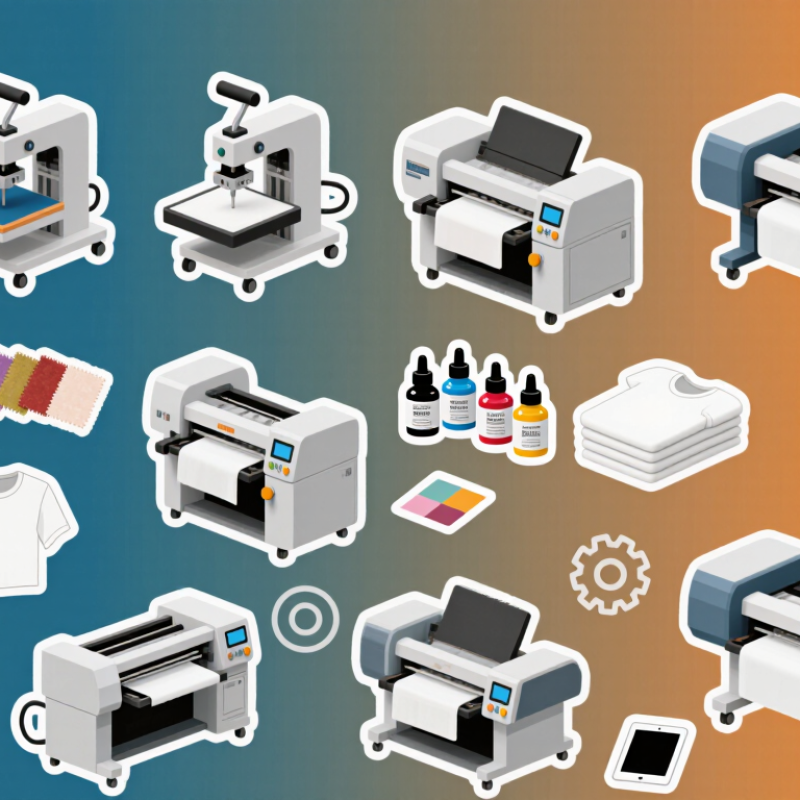
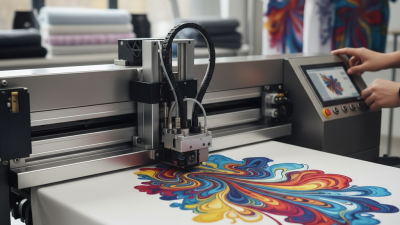
Choosing among the top 10 T-shirt design machines starts with the decoration method, not the price tag. In my workshop testing, each process behaved differently on cotton, polyester, and blended fabric. Direct-to-garment, or DTG, prints water-based ink directly onto prepared cotton shirts. It produces soft gradients and detailed artwork. Pretreatment must be even. A weak layer can cause dull colors or patchy edges. DTG suits short runs, but drying time and maintenance affect the real budget. Small shops often underestimate cleaning routines. I did too.
Direct-to-film, or DTF, prints onto coated film, applies adhesive powder, and transfers the image with heat. It works across many fabric types and handles bright graphics well. The film needs careful alignment. Too much pressure can flatten fine details. Sublimation turns dye into gas under heat, bonding with polyester fibers. Colors can look vivid and smooth. It is not suitable for ordinary cotton. White garments usually give the clearest results. Heat settings need testing because fabric can scorch. That mistake is expensive.
Screen printing pushes ink through a stencil onto the shirt. It remains efficient for larger orders, especially with simple color layers. Setup takes time, and each color needs its own screen. Cutting machines use blades to shape vinyl or stencil materials. They suit names, numbers, and bold single-color designs. They are affordable entry tools, but weeding tiny letters can test patience. Before buying, measure daily volume, fabric mix, artwork detail, workspace, and ventilation. A cheaper machine is not always cheaper to operate. Record failed prints honestly; they reveal the process you actually need.
| # | Machine or Setup | Printing Method | Approximate Budget | Best For | Compatible Materials | Key Considerations |
|---|---|---|---|---|---|---|
| 1 | Entry-level heat press | Heat transfer finishing | $100–$500 | Beginners applying ready-made transfers or cut heat-transfer vinyl | Materials specified for heat application, including suitable cotton and polyester garments | A heat press does not print designs by itself. Consistent temperature, pressure, and pressing time are essential. |
| 2 | Desktop vinyl cutting plotter | Cutting | $200–$800 | Small batches of names, numbers, and simple one- or two-color graphics | Heat-transfer vinyl and other compatible sheet materials | Requires design software and a heat press. Weeding detailed designs takes time; it is not a full-color printer. |
| 3 | Starter screen-printing kit with manual press | Screen printing | $300–$1,500 | Learning screen printing or producing simple designs in small batches | Commonly cotton and cotton-blend garments; ink suitability depends on the ink system | Each color generally needs its own screen and setup. The budget may not include a suitable exposure unit or curing equipment. |
| 4 | Sublimation printer and small heat press | Sublimation | $300–$1,200 | Full-color designs on light-colored polyester shirts and compatible blanks | Light-colored, high-polyester-content fabric and specially coated products | Dye sublimation does not produce an opaque white layer, so it is generally unsuitable for dark shirts or ordinary cotton. |
| 5 | Mid-size clamshell or swing-away heat press | Heat transfer finishing | $300–$1,500 | Small businesses applying DTF transfers, sublimation prints, or cut vinyl | Depends on the transfer type and garment; follow the material supplier’s pressing instructions | A larger, evenly heated platen can improve workflow. This equipment applies transfers but does not create the printed image. |
| 6 | Desktop direct-to-film (DTF) printer setup | DTF | $1,500–$5,000 | Small shops seeking full-color transfers for varied garment colors and fabrics | Transfers can be applied to many fabric types when the film, adhesive, and garment are compatible | The setup typically needs film, adhesive powder, curing equipment, and a heat press. White-ink systems require regular maintenance. |
| 7 | Entry-level direct-to-garment (DTG) printer | DTG | $10,000–$25,000 | On-demand, detailed full-color prints, especially on cotton garments | Cotton and compatible cotton-rich garments; dark garments usually need pretreatment | Garments are printed directly. Pretreatment, garment loading, and routine printhead maintenance affect quality and operating cost. |
| 8 | Multi-station manual screen-printing press | Screen printing | $1,000–$5,000 | Repeat designs and growing production runs with multiple colors | Many garment fabrics, with ink selected for the material and required finish | Multiple stations help with color registration and workflow. Screens, exposure equipment, inks, and curing equipment add to total setup costs. |
| 9 | Production DTF printer with shaker and curing unit | DTF | $5,000–$20,000 | Shops producing transfer sheets or handling larger, recurring orders | Transfers are suitable for a broad range of fabrics when correctly matched and applied | Automated powder application and curing can streamline production. Ventilation, consumables, maintenance, and a separate heat press should be considered. |
| 10 | Automatic screen-printing press | Screen printing | $20,000–$100,000+ | High-volume production of repeat designs | Fabric and garment types compatible with the selected screen-printing ink and curing process | High throughput can reduce labor per garment at scale, but the investment, space, setup, and curing requirements are substantial. |
Method guide: DTG prints ink directly onto a garment; DTF prints onto film that is transferred with adhesive and heat; sublimation uses heat to transfer dye into suitable polyester or coated surfaces; screen printing pushes ink through prepared screens; cutting machines cut transfer materials such as heat-transfer vinyl. Budget ranges are broad planning estimates, not quotations, and may exclude taxes, shipping, consumables, ventilation, software, and installation.