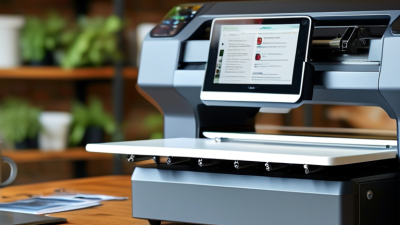
Why Choose the Best Shirt Printer Machine for Your Business?
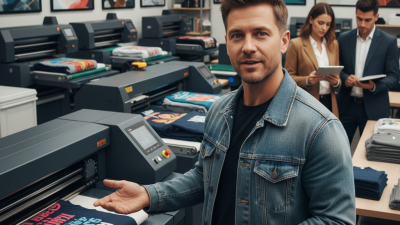
In the competitive world of custom apparel, choosing the right Shirt Printer Machine can make a significant difference. Industry expert Jessica Mills emphasizes, "Investing in a quality shirt printer is investing in your brand's future." This statement encapsulates the essence of why businesses must carefully evaluate their printing technology.
The right shirt printer not only enhances print quality but also boosts production efficiency. With advancements in technology, modern machines offer options that were unimaginable a decade ago. For instance, a direct-to-garment (DTG) printer allows vibrant prints on various fabric types. However, this advancement comes with challenges. Businesses must consider not just the machine's initial cost, but also maintenance and ink expenses.
As enterprises grow, the demand for precision and speed increases. A poor choice in a shirt printer can result in wasted materials and lost customer satisfaction. Reflecting on these factors is crucial for long-term success. Investing in the best Shirt Printer Machine is not just a financial decision; it reflects a commitment to quality and service in the custom apparel market.
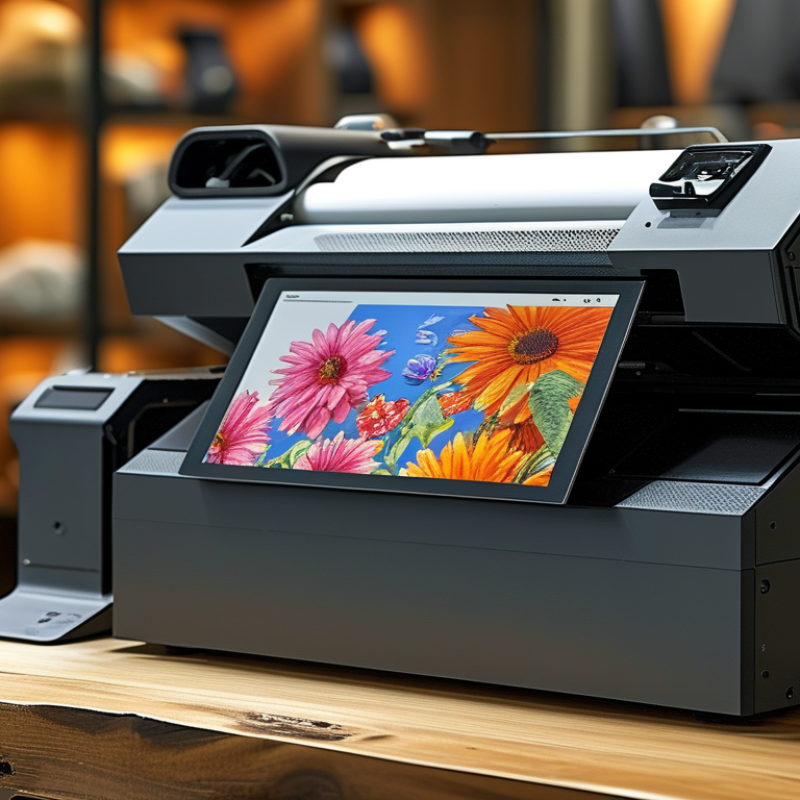
Factors to Consider When Selecting a Shirt Printer Machine
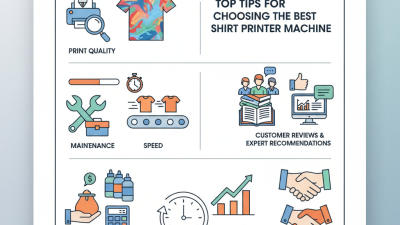
When selecting a shirt printer machine, consider the printing technology. DTG (Direct to Garment) printers offer detailed designs. On the other hand, screen printing machines excel in bulk production. Evaluate your business’s needs carefully. Choose based on the types of fabrics you plan to use. Not all machines perform well on every material.
Another important factor is the production speed. Some machines print quickly but may compromise quality. Others deliver high-quality prints at a slower pace. Strike a balance based on demand and quality standards. Check for user-friendly features. A complex setup can lead to operational issues. Simplicity helps reduce errors during printing.
Cost is a crucial aspect as well. High-end models can be tempting, but they might not be necessary for small operations. Do thorough research to ensure your investment aligns with your business goals. Regular maintenance and support services are vital. Machines require upkeep to run smoothly. Look for models with accessible support resources. Reflect on what your business truly needs before making a decision.
Advantages of Investing in High-Quality Shirt Printing Equipment
Investing in high-quality shirt printing equipment can transform your business. The right machine enhances print quality, ensuring vibrant colors and sharp details. This level of precision attracts customers and enhances your brand's reputation. With better equipment, you also gain greater efficiency. Faster production times mean you can fulfill orders quickly, reducing waiting times for your clients.
A reliable printer minimizes downtime. Machines that break down frequently disrupt production, leading to lost sales. By choosing a reputable printing machine, your workflow becomes smoother. You can focus on creativity rather than troubleshooting issues. Consider the long-term cost; cheaper machines may require constant repairs, which adds up.
Quality equipment often comes with better support and warranty options. Knowing that help is available if issues arise is invaluable. Finally, investing in high-quality printing gear shows your commitment to quality. This can lead to loyal customers who appreciate your attention to detail. A well-chosen printer is more than just a tool; it's an essential part of your business strategy.
Advantages of Investing in High-Quality Shirt Printing Equipment
Comparing Different Types of Shirt Printer Machines Available
When considering shirt printer machines, understanding the types available is crucial. Direct-to-Garment (DTG) printers are popular for their ability to print intricate designs quickly. According to a report by Smithers Pira, the DTG market is expected to grow by 20% annually through 2025. This makes them a strong choice for businesses needing customization and detail.
On the other hand, screen printing remains a reliable method, especially for bulk orders. It offers low costs per unit when printing large quantities. However, the initial setup costs can be high. A recent survey indicated that 68% of small businesses prefer screen printing for larger runs due to this cost-effectiveness. Yet, it’s vital to reflect on the limitations of screen printing, such as longer turnaround times for smaller orders.
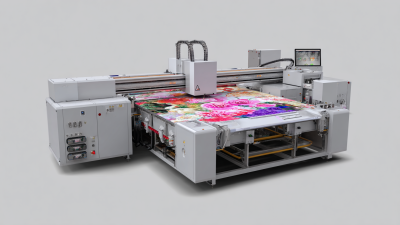
Sublimation printing is another type worth considering. This method allows for vibrant colors and is suitable for polyester fabrics, a key preference in today’s athletic wear market. The global dye-sublimation printer market is projected to rise significantly, driven by consumer demand. While sublimation has limitations, especially in fabric types, it offers a unique aesthetic that can attract specific customer segments. Each option presents strengths and weaknesses that need careful evaluation.
How the Right Printer Can Enhance Your Business Output
Choosing the best shirt printer machine can significantly impact your business output. The right printer not only improves speed but also enhances the quality of your prints. According to a recent industry report, businesses using advanced printing technology see a productivity boost of up to 35%. This means less downtime and more finished products in a shorter time frame.
When selecting a printer, consider its versatility. Printers that handle multiple fabric types can help you cater to diverse customer needs. Additionally, newer models often come equipped with software that streamlines the design process. However, it's essential to reflect on your actual needs. Investing in a high-end model may not always justify the cost if your product range is limited.
Integrating the right printer can transform your business. Regular maintenance is crucial; neglecting it can lead to quality issues. Look for user feedback on the printers you're considering. People's experiences can provide valuable insights, revealing strengths and weaknesses that reports alone may not capture. Balancing cost and functionality should always remain a priority to ensure long-term success.
Maintenance and Support for Your Chosen Shirt Printer Machine
Choosing the right shirt printer machine is crucial for your business. However, obtaining the best equipment is just the start. Maintenance and support are vital to keep the printer running smoothly. Without proper upkeep, the machine may underperform or even break down.
Routine maintenance can extend the lifespan of your printer. Clean the machine regularly to prevent ink buildup. Inspect parts for wear and tear. This can help avoid unexpected costs and downtime. Always refer to the manufacturer’s manual for specific maintenance requirements.
Support is equally important. A reliable support system can help you troubleshoot issues quickly. Make sure you have access to technical assistance when needed. This minimizes disruption and keeps your operations on track. Investing in ongoing support can make a significant difference.
Consider setting reminders for regular check-ups. Don’t overlook small issues; they can lead to bigger problems. Keeping thorough records of maintenance can help you identify patterns and fix recurring issues. A proactive approach can save time and money in the long run.