What is a Shirt Printer Machine and How Does It Work?
In the world of custom apparel, the “Shirt Printer Machine” stands out. Industry expert James Parker, a leading figure in textile technology, has noted, “The Shirt Printer Machine revolutionizes how we view fabric decoration.” This innovation transforms plain shirts into personalized canvases, appealing to both small businesses and large enterprises.
The Shirt Printer Machine employs advanced technology to directly print designs onto fabric. Through various techniques, including digital printing, it can produce vibrant colors and intricate details with speed and precision. Users praise the efficiency it brings to their production processes, yet many face challenges when mastering the machine's features. Learning the settings and maintenance protocols requires time and practice.
As the demand for customized apparel grows, the Shirt Printer Machine is gaining traction. While undeniably powerful, it also introduces complexities that can overwhelm newcomers. Balancing creativity with technical know-how can sometimes lead to frustrating experiences. Every operator must navigate these challenges while striving for the perfect print.
What is a Shirt Printer Machine? An Overview of Its Functionality
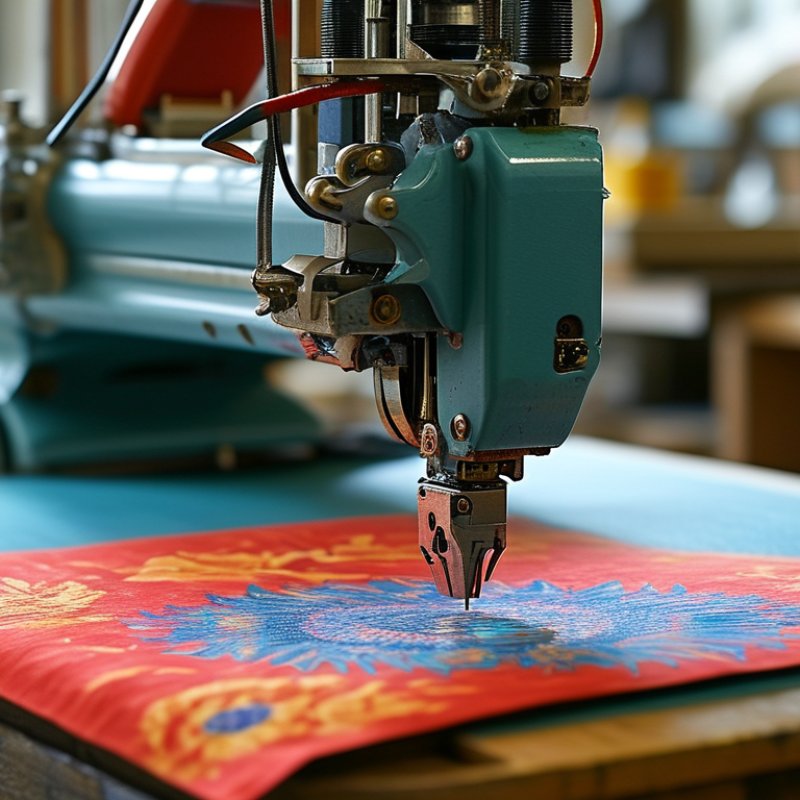
A shirt printer machine is an advanced tool used for fabric printing. Its functionality revolves around direct-to-garment (DTG) technology. This machine works by applying ink directly onto the fabric. The process begins with a digital image that is sent to the printer. High-quality ink is then sprayed onto the shirt. According to industry reports, the global DTG printing market is projected to grow by over 25% in the next five years.
Shirt printer machines offer flexibility for custom designs. This allows businesses to cater to unique customer requests. Additionally, they reduce the need for large inventory, as prints are made on demand. A study by Smithers Pira highlighted that digital printing can reduce waste by as much as 30%. However, some printers might struggle to maintain consistent quality across different fabric types.
Tips: Regular maintenance can enhance the printer's lifespan and performance. Always calibrate your machine before beginning a new print job. It’s important to perform test prints to avoid errors. Adjusting settings based on fabric type can also improve print quality. Experimentation is key; not all designs will translate well to all fabrics.
Types of Shirt Printer Machines: Screen Printing vs. Direct-to-Garment
Shirt printer machines come in various types,
with screen printing and
direct-to-garment (DTG) being
the most popular.
Screen printing is a traditional method that uses stencils to apply ink onto fabric.
It involves creating a separate stencil for each color, making the process time-consuming.
This method excels in high-volume orders. It delivers vibrant colors and durable prints.
However, its setup can be complex and sometimes requires experienced workers to operate effectively.
On the other hand, direct-to-garment printing is a newer technology that allows
digital printing directly onto fabric. This method uses specialized inkjet printers.
It is ideal for smaller runs and offers excellent detail in designs. DTG is more flexible,
accommodating a broader range of colors and intricate patterns. Yet, it may not be as durable as
screen printing. Users often find that the colors fade faster after several washes with DTG.
Both methods have their advantages and drawbacks. It’s essential to consider the
project requirements when choosing between them.
The ideal choice depends on print quality, design complexity, and production volume.
A careful evaluation can lead to more satisfying results. An informed decision reflects
expertise in the printing field, ensuring better outcomes for your shirt printing needs.
Key Components of a Shirt Printer Machine and Their Roles
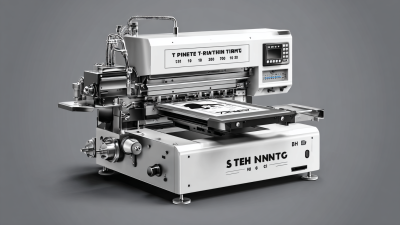
When exploring shirt printer machines, understanding their key components is crucial. These machines typically include a print head, a platen, and software. The print head is where the magic happens, ejecting ink onto the fabric. It needs careful calibration to achieve high-quality prints. The platen holds the shirt in place. It must be sturdy, yet adjustable for different shirt sizes.
Software controls the entire printing process. It translates design files into commands for the printer. This component ensures precision and allows for customization. A user-friendly interface is vital. Complex software can lead to errors in design interpretation.
Tips for operating a shirt printer effectively include regular maintenance and calibration. Check ink levels routinely. This helps avoid interruptions during printing. Experiment with different materials to see how they react to the printing process. Don't shy away from troubleshooting common issues, like misalignments, as these can occur frequently. Learning from these situations improves overall efficiency.
How Shirt Printer Machines Achieve High-Quality Prints: A Technical Insight
Shirt printer machines are pivotal in the garment industry, known for producing high-quality prints. These machines operate on various printing technologies, including Direct-to-Garment (DTG) and screen printing. DTG printing uses inkjet technology to directly print onto fabric, ensuring vibrant colors and fine details. A study from Smithers Pira noted that the digital textile printing market is projected to grow 25% annually until 2025, reflecting its increasing significance in the industry.
High-quality prints arise from several factors. The type of ink used plays a crucial role. For instance, water-based inks are often preferred for their vibrant hues and environmental friendliness. Furthermore, the machine's resolution affects the output quality. Higher DPI settings yield sharper images. According to research by the Textile World Journal, prints with 1200 DPI or higher can achieve exceptional clarity, which is essential for intricate designs.
Tips: Regular maintenance of shirt printer machines enhances longevity and print quality. Check the nozzles and clean them frequently to prevent blockages. Always conduct test prints to ensure color accuracy before the final run. Remember, subpar setups can lead to wasted materials and time. Investing in quality materials from the start can pay off in finished product satisfaction.
Shirt Printer Machine Printing Quality Comparison
This chart compares the print quality ratings of different shirt printing methods. DTG printing offers the highest quality, followed by sublimation, heat transfer, and screen printing. This information is crucial for understanding which method may be most suitable for high-quality designs.
Industry Trends: The Growing Demand for Custom Shirt Printing Solutions
The custom shirt printing industry is experiencing remarkable growth. According to a recent report by Research and Markets, the global custom t-shirt printing market is projected to reach $10 billion by 2025. This surge is driven by a cultural shift towards personalized apparel. Consumers increasingly seek unique designs that reflect individuality.
One significant trend is the rise of e-commerce platforms. These platforms allow users to design shirts online, offering user-friendly interfaces and instant previews. A 2022 survey indicated that over 60% of respondents preferred ordering custom shirts online due to convenience. However, this shift has led to increased competition among providers. Many companies struggle to maintain quality while scaling rapidly. This creates a dilemma; businesses must balance speed and craftsmanship.
Sustainability is another consideration that influences purchasing decisions. Recent studies show that 70% of consumers are more likely to buy from environmentally-friendly brands. This pushes the industry to adopt eco-conscious practices. Yet, not all businesses have made the transition, raising questions about reliability and ethics in manufacturing. As demand continues to grow, the industry must adapt to these challenges while ensuring quality remains paramount.