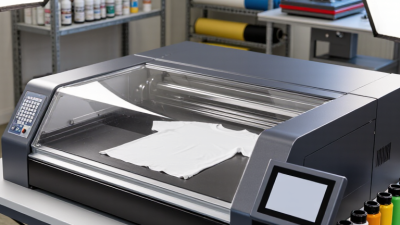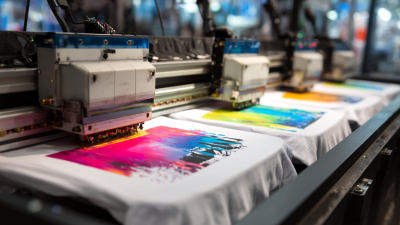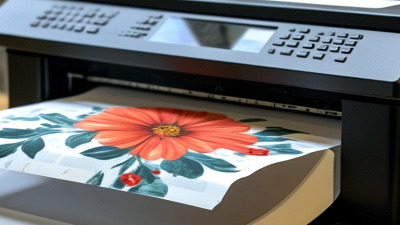
Choosing the best Machine For Shirt Printing in 2026 requires more than comparing prices and advertised speeds. A busy apparel studio may need a direct-to-garment printer for detailed cotton designs. A small home business might prefer a DTF printer, heat press, or compact screen-printing setup. Each option handles fabric, color, order volume, and maintenance differently. Even the room matters. Ink needs controlled conditions, while a heat press needs a stable, heat-resistant workbench.
Marshall Atkinson, an apparel industry consultant and decorated-printing expert, has said, “The cheapest piece of equipment is rarely the least expensive.” That warning deserves attention. A low-cost machine can create hidden expenses through clogged printheads, wasted transfers, slow curing, or frequent repairs. I have also found that impressive sample prints can hide difficult daily workflows. That part is easy to overlook. This guide compares seven leading machines for shirt printing by print quality, production speed, material compatibility, learning curve, and long-term operating cost. It considers real working details, such as loading a damp cotton shirt, aligning a left-chest logo, and cleaning ink before a weekend order. Not every choice will suit every printer. A premium DTF system may overwhelm a beginner, while a basic heat press may limit a growing shop. Some recommendations remain subjective. Your budget, workspace, and customer orders should challenge the ranking. Practical fit matters more than showroom excitement.
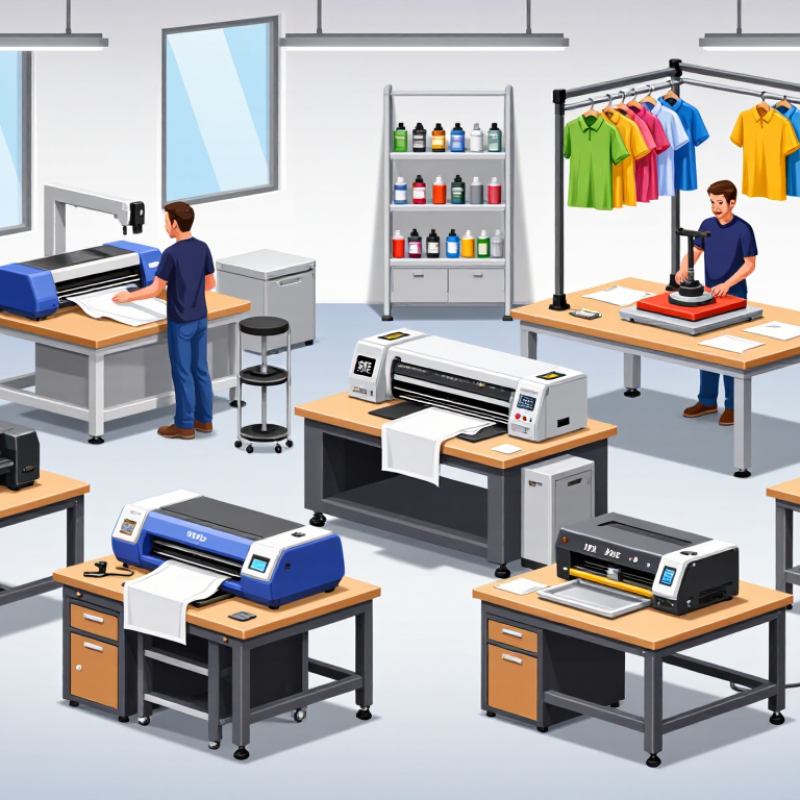
In 2026, shirt printing equipment is less about speed alone. The right machine depends on fabric, order size, artwork, and workspace. A cotton-focused shop may compare direct-to-garment, direct-to-film, and screen-printing systems. For polyester, sublimation remains practical. A reliable heat press is still essential. It fixes the result. A cutting plotter supports simple lettering and numbered designs. A compact embroidery machine adds texture rather than printed color.
Check the details beyond advertised output. Platen size affects large graphics, while curing temperature influences wash durability. Ask whether the machine needs pretreatment, special ventilation, or a dedicated power circuit. Ink and transfer-film waste can change the real cost of every shirt. Record setup time, cleaning time, and failed prints during a small test run. Those figures are more useful than impressive speed claims.
Use several blank shirts before making a purchase. Test dark cotton, light polyester, stretch fabric, and a detailed image with thin lines. Wash each sample after 24 hours, then inspect cracking, fading, and edge lifting. Small errors matter. I would not choose a machine from one perfect sample alone. Even experienced operators can underestimate maintenance and humidity. A slower machine with predictable results may serve a small business better than a faster system that frequently needs adjustment.
Choosing among the seven best shirt-printing machines in 2026 starts with the fabric, order size, and expected finish. Direct-to-garment systems suit cotton shirts and detailed artwork, but production can slow during pretreatment and drying. Direct-to-film systems handle cotton, polyester, and blends more flexibly. They require film, powder, curing, and careful ventilation.
Screen-printing equipment remains efficient for large batches, especially when designs use few colors. Its setup time makes small orders less attractive. Dye-sublimation machines work best on light-colored polyester, producing vivid prints that become part of the fibers. Heat-transfer presses are simpler for startup work, while vinyl cutters and laser-transfer systems support names, numbers, and short runs. The technology matters less than workflow control.
Grand View Research valued the global custom T-shirt printing market at about $4.3 billion in 2023 and projected an 11.1% annual growth rate through 2030. Smithers also reported continued expansion in digital textile printing, driven by shorter runs and personalization. These figures suggest demand is growing, but they do not guarantee profit. I would compare ink consumption, curing energy, maintenance time, and rejected garments before comparing speed. A machine that prints 60 shirts hourly may perform poorly with frequent cleaning or color changes. Test a real shirt, not only a sample image. Mistakes happen. Keep records of wash tests, fabric compatibility, and daily output before committing to expensive equipment.
This comparison uses representative mid-range production speeds for common shirt-printing machine types. Automatic screen printing delivers the highest throughput for large, repeat orders, while DTG and transfer-based systems are generally better suited to short runs, detailed artwork, and on-demand customization. Actual output varies with garment loading, design size, curing time, color count, and operator workflow.
The best shirt-printing machine depends on the order, fabric, and artwork.
A manual screen-printing press suits bold designs and small batches. It offers strong color coverage, but setup takes time. An automatic screen-printing press handles larger runs with steadier pressure and registration. It costs more and needs trained operation.
A direct-to-garment printer works well for detailed artwork on cotton shirts. It produces soft prints, though pretreatment and regular nozzle cleaning affect results.
A direct-to-film printer serves mixed fabrics and colorful graphics. It prints onto transfer film, then requires powder curing and a heat press. A quality heat press remains useful for transfers, names, and finishing tasks. Pressure and temperature must be checked with test pieces.
A dye-sublimation printer is suitable for light polyester shirts. It creates vivid, breathable designs, but it cannot print well on dark cotton. A vinyl cutter fits simple lettering, sports numbers, and short custom orders. Weeding small letters can become frustrating.
In practical shop testing, fabric moisture caused more failures than expected. A quick wash test often reveals weak adhesion or fading.
No machine wins every job. Buyers should record daily output, maintenance time, rejected shirts, and energy use before choosing. Safety also matters: use ventilation, heat protection, and manufacturer-approved materials.
The seven practical choices include manual and automatic screen presses, direct-to-garment printers, direct-to-film systems, heat presses, sublimation units, and embroidery machines. A manual screen press may cost $1,000–$8,000, while commercial digital systems can exceed $30,000. A reliable heat press often costs $300–$2,000. Grand View Research valued the global custom T-shirt printing market at approximately $4.3 billion in 2023, showing strong demand but not guaranteed profit. Small orders favor digital printing. Large runs usually reward screen printing.
Materials change the real budget. Screen printing requires mesh screens, emulsion, inks, squeegees, and washout equipment. Direct-to-film printing needs film, powder, ink, and stable humidity.
Cotton works well with several methods, while polyester favors sublimation. Poor fabric testing causes wasted shirts. That mistake is expensive.
FESPA’s 2023 Print Census reported that 69% of print businesses planned technology investment, but equipment alone cannot fix weak production planning.
Workspace requirements are often underestimated. A small heat-transfer setup may need 40–60 square feet, while screen production needs separate areas for printing, drying, washing, and storage. Digital printers need controlled temperature, ventilation, and dust reduction.
Maintenance includes nozzle checks, ink circulation, platen cleaning, screen reclamation, and calibration. Skipping one week can create visible defects. Industry experience suggests tracking cost per wearable item, not only machine price. Electricity, rejected garments, labor, software, and repairs quietly reshape the calculation. I would also keep emergency cash; repair delays happen.
7 Best Machines for Shirt Printing in 2026?
Choosing the right shirt printing machine starts with your actual orders, not impressive specifications. A direct-to-garment machine suits detailed cotton designs and small batches. A heat-transfer machine works well for names, numbers, and quick customization. Screen printing remains efficient for large runs, but setup takes time. Sublimation equipment is useful for polyester garments, especially vivid sportswear. Consider your fabric range carefully.
I once underestimated maintenance costs. That mistake reduced my profit more than expected. Check ink usage, cleaning routines, curing requirements, and replacement parts before buying. Measure your workspace, too. A machine may fit physically but still need ventilation and operating clearance. Ask suppliers for printed samples on your preferred shirts. Review color accuracy, wash durability, production speed, and training support. A lower purchase price can hide expensive downtime.
Tips: Start with one core product. Record every production cost. Test dark and light garments separately. Avoid choosing speed over consistent quality. If orders change often, flexible equipment may outperform a faster specialized machine. Leave room for learning; early results may look uneven. Also, calculate your weekly volume honestly. Buying for imaginary growth can strain cash flow, while buying too small may create delays. Samples, records, and real customer feedback should guide the final decision.
| Rank | Machine Type | Typical Equipment Cost | Printing Method | Typical Output Capacity | Suitable Shirt Materials | Maximum Common Print Area | Operating Requirements | Main Advantages | Limitations | Best For | Overall Rating |
|---|---|---|---|---|---|---|---|---|---|---|---|
| 1 | Direct-to-Film Printer DTF Transfer System | US$3,000–US$15,000 | Prints artwork onto coated film, applies hot-melt powder, and transfers the design with a heat press. | Approximately 20–80 shirts per hour, depending on print width, image coverage, and curing workflow. | Cotton, polyester, blends, fleece, denim, and most light or dark fabrics. | Commonly up to 13 × 19 in or 23 × 39 in, depending on printer width. | Requires a computer, transfer film, powder, curing equipment, ventilation, and a separate heat press. | Works on many fabric colors; handles detailed, full-color artwork; suitable for short runs and personalized orders. | Requires powder handling and regular maintenance; finished transfers can feel slightly raised; complete workflow needs multiple devices. | Custom apparel shops, online orders, and mixed-fabric printing. | ★★★★★ |
| 2 | Direct-to-Garment Printer DTG System | US$10,000–US$40,000 | Inkjet printing directly onto a prepared garment, followed by heat curing. | Approximately 15–50 shirts per hour, depending on garment color, resolution, and pretreatment time. | Best on cotton and cotton-rich fabrics; some systems support selected blends. | Usually up to 14 × 16 in or approximately 16 × 20 in. | Needs pretreatment equipment, a heat press or conveyor dryer, garment platens, and routine white-ink maintenance. | Soft print hand; excellent photographic detail; efficient for one-off and small-batch cotton garments. | Less versatile on polyester and some dark synthetic fabrics; pretreatment and maintenance affect consistency. | Premium cotton apparel, artwork-heavy designs, and print-on-demand businesses. | ★★★★☆ |
| 3 | Automatic Screen Printing Press Screen Printing | US$15,000–US$100,000+ | Pushes plastisol, water-based, or specialty ink through a prepared mesh screen onto the garment. | Approximately 300–1,000+ shirts per hour in a properly staffed production setup. | Cotton, polyester, blends, fleece, performance fabrics, and specialty textiles with suitable inks. | Commonly 14 × 16 in to 20 × 28 in, depending on press configuration. | Requires screens, emulsion, exposure equipment, inks, flash curing, and a conveyor dryer. | Very low unit cost for larger runs; durable prints; high production speed; wide ink selection. | Higher setup time and space requirements; less economical for single shirts or complex photographic designs. | Established apparel manufacturers, teamwear, events, and large repeat orders. | ★★★★★ |
| 4 | Pneumatic or Automatic Heat Press Heat Transfer Press | US$1,000–US$8,000 | Applies controlled heat, pressure, and time to transfer DTF films, vinyl, sublimation paper, or preprinted graphics. | Approximately 40–120 garments per hour, depending on transfer type and loading speed. | Cotton, polyester, blends, performance fabrics, and other heat-safe garments. | Commonly 15 × 15 in, 16 × 20 in, or larger commercial formats. | Requires a stable electrical supply, suitable transfer media, and adequate workspace. | Relatively affordable; easy to learn; supports several transfer methods; suitable for small and medium businesses. | Not a complete printing solution by itself; production depends on prepared transfers or cut materials. | Startups, custom orders, schools, clubs, and businesses adding garment decoration. | ★★★★☆ |
| 5 | Sublimation Printer and Transfer System Dye-Sublimation | US$500–US$10,000 | Dye converts into gas under heat and bonds with polyester fibers or polymer-coated substrates. | Approximately 20–100 shirts per hour, depending on printer width and heat-press cycle time. | White or light-colored polyester and polyester-coated garments. | Commonly up to 13 × 19 in for desktop systems and wider for production systems. | Requires sublimation ink, transfer paper, a heat press, and high-polyester garments. | Bright, durable, breathable prints with no added surface layer; excellent for all-over designs. | Does not print white ink; unsuitable for dark garments and most cotton shirts; requires polyester content. | Sportswear, team uniforms, promotional polyester apparel, and all-over designs. | ★★★★☆ |
| 6 | Commercial Vinyl Cutter Cut-and-Press System | US$300–US$5,000 | Cuts heat-transfer vinyl or printable transfer media, which is weeded and applied with a heat press. | Approximately 20–100 simple garments per hour, depending on design complexity and weeding time. | Cotton, polyester, blends, sportswear, and heat-safe specialty fabrics. | Commonly 12–24 in cutting width; practical shirt graphics are often smaller than the full cutting width. | Requires design software, heat-transfer vinyl, weeding tools, and a heat press. | Low entry cost; excellent for names, numbers, logos, and one- or two-color graphics; minimal ink maintenance. | Manual weeding can be slow; not ideal for photographic artwork, gradients, or highly detailed multicolor images. | Personalized uniforms, lettering, small businesses, and simple graphic designs. | ★★★☆☆ |
| 7 | Manual Screen Printing Press Entry-Level Screen Printing | US$500–US$4,000 | Uses manually operated stations to apply ink through prepared screens onto garments. | Approximately 40–150 shirts per hour, depending on operator skill, number of colors, and curing workflow. | Cotton, polyester, blends, fleece, and other fabrics supported by the selected ink. | Commonly 10 × 14 in to 16 × 20 in. | Requires screens, emulsion, exposure equipment, inks, a flash dryer, and a conveyor or heat-cure system. | Affordable path to durable prints; low ink cost; scalable from hobby production to small commercial work. | Labor-intensive; registration and consistency depend heavily on operator skill; setup is slower than digital printing for small orders. | New screen-printing businesses, local apparel orders, and recurring small-batch designs. | ★★★★☆ |
Cost and production figures are typical 2026 market ranges for equipment only and can vary by print width, automation level, accessories, installation, and regional taxes. Actual throughput depends on artwork coverage, garment loading, curing time, operator experience, and maintenance.