What Is a Trademark Printing Machine and How Does It Work?
A Trademark Printing Machine is built to place clear, durable brand marks on products, labels, packaging, and approved promotional materials. It may use inkjet, laser, thermal transfer, pad printing, or screen-printing technology. The correct choice depends on the surface, production speed, image detail, and required durability.
Printing consultant and industry educator Frank Romano once said, “Printing is the process of putting ink on paper.” That simple description now covers much more than paper. A modern Trademark Printing Machine can read product data, position each item, apply a controlled image, and record production information. Sensors check alignment. Printheads release tiny ink droplets. Drying systems then fix the mark to the surface. Laser models remove or change material instead of applying ink.
The process sounds straightforward. It is not always perfect. Dust, uneven packaging, moisture, and poor calibration can weaken a mark. Small errors become obvious on a dark bottle or a glossy carton. Operators must inspect samples, adjust pressure, clean printheads, and confirm readable results. Experience matters here.
A reliable machine supports consistent branding, traceability, and efficient production. It does not replace responsible design or quality control. Authorized artwork, accurate product data, and suitable materials remain essential. This guide examines the machine’s main components, printing methods, workflow, maintenance needs, and practical selection criteria. Readers will also see why speed alone should not determine the final purchase. Clear results matter more.
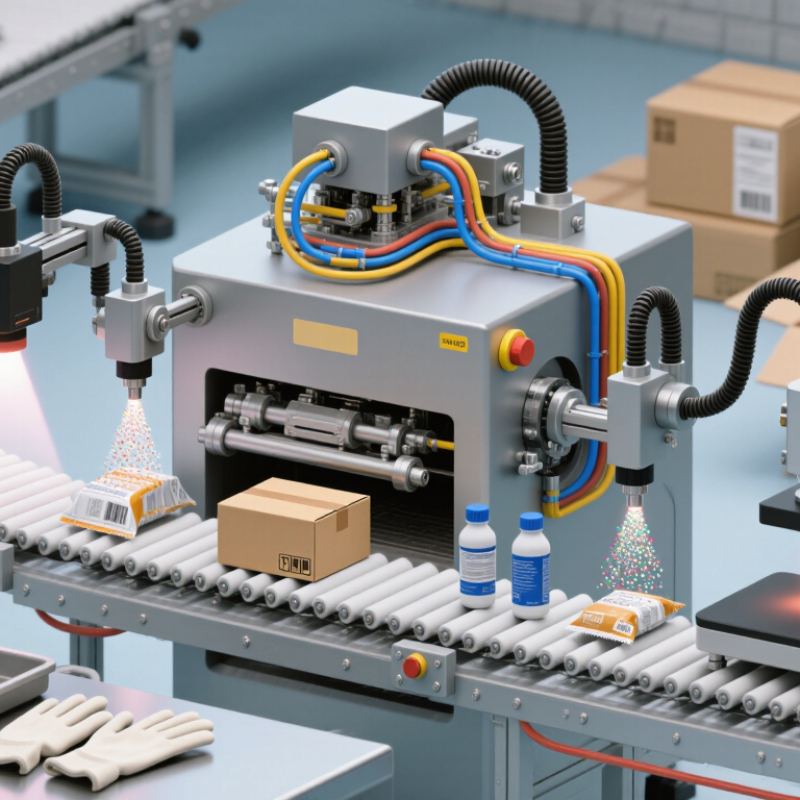
What Is a Trademark Printing Machine?
A trademark printing machine is equipment used to place an authorized business name, symbol, or distinctive mark on products and packaging. It does not create trademark rights. It simply applies a mark to a surface with controlled pressure, ink, heat, or light. The machine may print on paper boxes, plastic containers, metal parts, fabric, or coated glass.
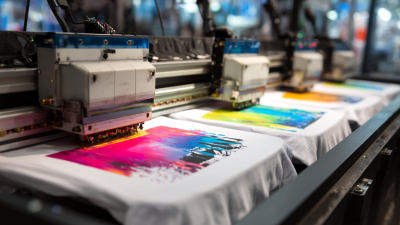
Different machines suit different materials. Screen printing pushes ink through a fine mesh, while pad printing transfers an image onto curved surfaces, such as bottle caps. Digital inkjet systems print variable information without making a physical plate. Laser marking changes the surface color or texture instead of adding wet ink. During setup, an operator checks artwork size, surface cleanliness, ink adhesion, and curing temperature. A small alignment error can make a familiar symbol look unprofessional.
In production, the artwork file is locked before printing, and samples are inspected under clear lighting. Operators often rub the printed area, check its edges, and compare it with an approved reference. Not every machine delivers the same sharpness. Humidity, dust, and surface coatings can affect results. That part is easy to underestimate. A useful machine should offer repeatable registration, adjustable speed, and clear maintenance controls. In practice, even experienced teams may need several test prints before achieving reliable color and placement.
What Are the Main Components of the Machine?
A trademark printing machine applies an authorized trademark, symbol, or identifying mark to products and packaging. It may use inkjet, screen, pad, or thermal printing methods. The machine must hold the workpiece firmly. Even a small shift can make a mark look blurred or uneven.
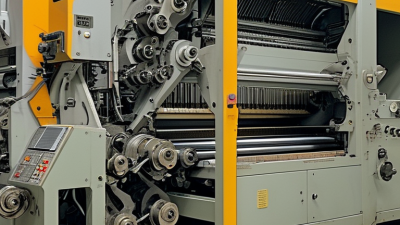
The frame supports the entire system and reduces vibration during printing. A feeding unit moves products into the printing position. It can include rollers, belts, guides, and adjustable clamps. The printing head transfers the image onto the surface. Its height and angle need careful adjustment. A small error matters. The ink system includes a tank, pump, filter, and delivery lines. These parts control ink flow and help prevent blocked nozzles.
A curing or drying unit sets the printed mark. Depending on the ink, it may use warm air, controlled heat, or another approved process. Sensors detect product position and confirm that each item reaches the correct point. The control panel stores print settings, speed, pressure, and timing. Many machines also include a vision inspection camera. It checks missing characters, weak contrast, and poor alignment. In practice, clean parts do not guarantee perfect results. Dust, surface texture, and changing humidity can still affect quality. Operators should test samples, inspect the mark closely, and adjust settings gradually. One overlooked sensor can stop the whole line.
How Does the Trademark Printing Process Work?
A trademark printing machine transfers an authorized trademark onto labels, cartons, films, or other packaging surfaces. The process starts with approved artwork, color references, and substrate specifications. Operators then prepare the file for either flexographic, offset, gravure, or digital printing. WIPO’s World Intellectual Property Indicators 2024 recorded about 15.5 million trademark application class counts worldwide in 2023. That volume shows why repeatable mark reproduction matters across packaging operations.
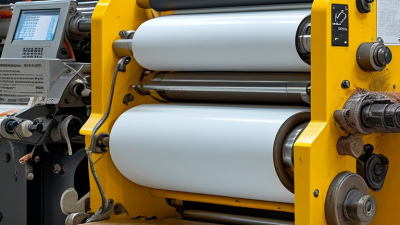
The machine feeds the substrate through rollers while ink, heat, pressure, or ultraviolet curing creates the printed image. Flexographic equipment uses a raised plate, while digital systems apply ink directly from electronic files. Sensors monitor registration, web tension, color density, and print defects. A camera may detect a missing letter or distorted symbol within milliseconds. The 2024 Smithers report, The Future of Global Printing to 2029, identifies digital printing and automation as important growth drivers in packaging production. Yet automation does not remove judgment. Ink can react differently on recycled film, and fine trademark details may soften after curing. That is where experienced operators intervene. They compare samples against approved proofs, inspect several production points, and record corrections. A small mistake can repeat across thousands of packages. The workflow is efficient, but not flawless.
Which Materials and Inks Can It Print On?
A trademark printing machine applies names, symbols, or registered marks to products and packaging. Its method depends on the surface, print volume, and required detail. Some machines use inkjet heads for variable designs, while others use screens, rollers, or transfer films. The machine controls ink flow, pressure, alignment, and drying. Small errors can shift a logo by only a few millimeters, yet the result may look unprofessional.
Material choice matters greatly. Paper and coated cardboard accept water-based or pigment inks well, especially after surface testing. Plastic films, containers, and laminated packaging often need solvent-based or UV-curable inks because their surfaces resist absorption. Glass and metal usually require strong adhesion, controlled curing, or a suitable primer. Wood, leather, and textured materials can also be printed, but their uneven surfaces may soften fine lines. It is not always predictable.
Ink selection should match both the material and the working environment. Water-based ink produces low-odor results on absorbent surfaces. Pigment ink offers stronger light resistance than many dye inks. UV-curable ink hardens under ultraviolet light and works well on non-porous materials. Solvent ink can bond to difficult plastics, but ventilation and safe handling remain essential. Food-contact packaging needs specially evaluated ink systems and migration testing.
Experienced operators usually print a small sample first. They check adhesion, color density, curing, and resistance to rubbing or moisture. Humidity can change drying time. Surface dust can ruin an otherwise accurate mark. A reliable setup still needs regular calibration, because the first successful test may not represent long-term production.
What Is a Trademark Printing Machine and How Does It Work?
General ink suitability across common printing materials
Trademark printing machines apply text, symbols, logos, or identification marks to a substrate using processes such as inkjet, screen, pad, or rotary printing. The chart shows general compatibility on a 0–3 scale, where 3 means the ink type is commonly suitable. Plastic films often require surface treatment, while final ink selection depends on adhesion, drying or curing requirements, chemical resistance, and production speed.
How Can Print Quality and Machine Safety Be Maintained?
A trademark printing machine applies controlled marks to packaging, labels, or manufactured parts. Print quality depends on stable pressure, clean plates, accurate registration, and suitable ink viscosity. ISO 12647-2 recommends process control through measurable targets, including color density and registration accuracy. Operators should record these values during every production run, not only after defects appear.
Small details matter.
A blurred edge can indicate excess ink or uneven pressure. A pale mark may signal a blocked nozzle, low ink flow, or poor surface preparation. A calibrated spectrophotometer can detect color drift more reliably than visual inspection. However, perfect first-pass results are unlikely. Operators should inspect a sample under consistent lighting and adjust one variable at a time.
Machine safety requires guarding, emergency stops, lockout procedures, and documented training. OSHA machine-guarding requirements address hazards from rotating parts, nip points, and moving components. The U.S. Bureau of Labor Statistics reported a 2023 recordable injury rate of 3.3 cases per 100 full-time workers in manufacturing, showing why routine controls remain necessary. Before cleaning, workers should isolate electrical and pneumatic energy, then verify zero movement. Loose clothing must stay away from rollers. A short checklist helps, although rushed checks still happen. Supervisors should review near misses, inspect interlocks weekly, and replace damaged guards immediately.