2026 Top Machine Print On T Shirt Trends for Global Buyers?
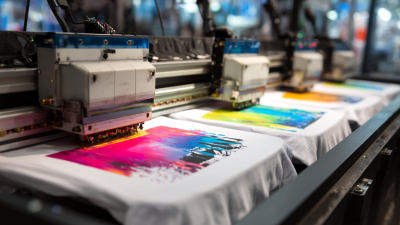
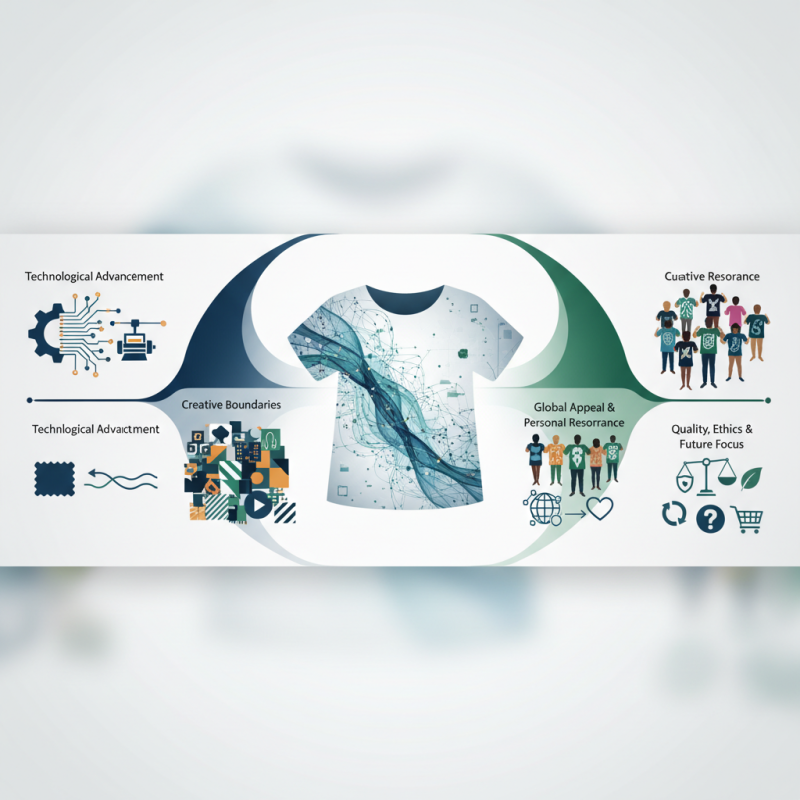
The world of fashion is constantly evolving, and 2026 is set to be a pivotal year for trends in Machine Print On T Shirt designs. As technology advances, machine printing techniques are becoming more sophisticated, enabling designers to push creative boundaries. This evolution opens up exciting possibilities for styles, colors, and textures in the realm of T shirts, appealing to a diverse array of global buyers.
In this ever-changing market, understanding current trends is crucial for businesses and consumers alike. The art of Machine Print On T Shirt is not just about aesthetics; it's also about the story each design tells. Consumers increasingly seek unique pieces that resonate on a personal level. Yet, with a wider selection comes the challenge of ensuring quality and authenticity, as not all prints are created equal.
As we look ahead, it's essential to reflect on what makes a T shirt appealing. Are we prioritizing unique art or sustainability? Can we balance creativity with ethical production practices? These questions will shape the landscape of Machine Print On T Shirt trends in 2026, guiding buyers toward informed choices in their fashion purchases.
2026 T-Shirt Print Trends: An Overview for Global Markets
The global market for custom-printed T-shirts continues to evolve rapidly. In 2026, trends reflect a mix of personal expression and technological innovation. According to a recent report by Grand View Research, the custom apparel market is expected to reach approximately $10 billion by 2025, driven by growing demand for personalized products.
In 2026, buyers should pay attention to eco-friendly inks and fabrics. Sustainable options appeal to environmentally-conscious consumers. A report from Market Research Future states that eco-conscious prints will dominate the market by 2026. These preferences influence market trends significantly. Brands must adapt to these shifts or risk losing customers.
Tips: Experiment with different printing methods. Direct-to-garment and screen printing each have distinct benefits. Understand your target audience to inform your design choices. It’s also essential to stay updated with emerging technologies in textile printing. Remember, customers are drawn to unique designs that resonate with their values. Balancing creativity with sustainability can set your brand apart.
Emerging Printing Technologies Influencing T-Shirt Designs in 2026
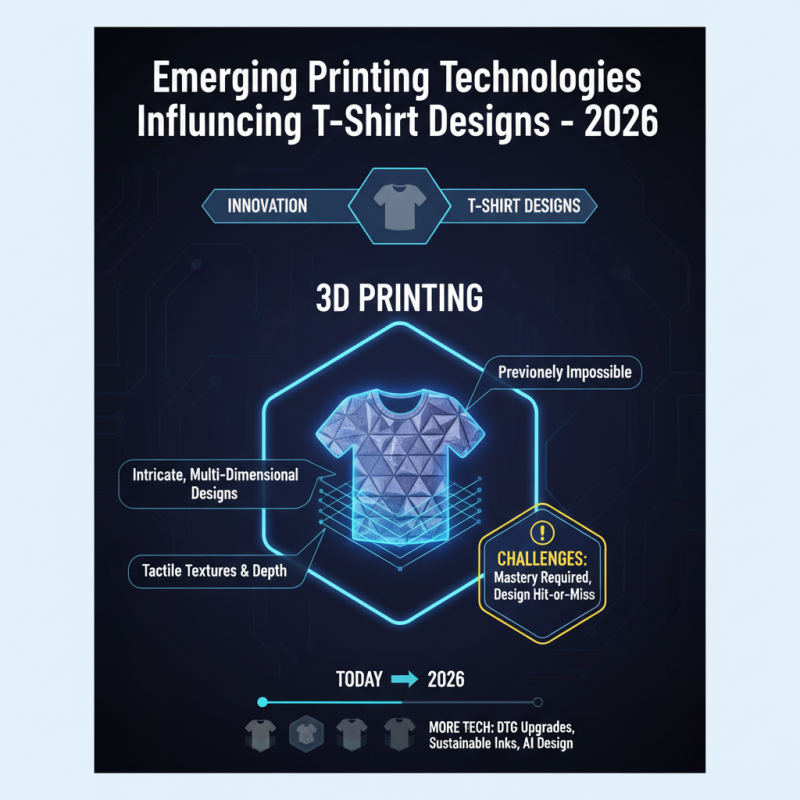
As we approach 2026, innovative printing technologies are reshaping T-shirt designs. One major trend is the rise of 3D printing. This method allows for intricate, multi-dimensional designs that were previously impossible. Imagine wearing a T-shirt that feels alive with texture and depth. However, mastering this technology can be challenging, and not every design hits the mark.
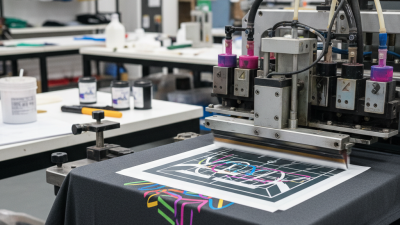
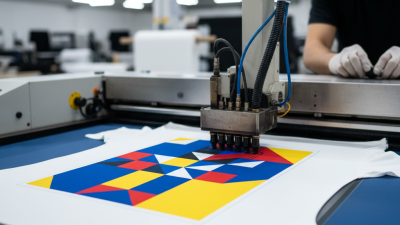
Digital textile printing is another game-changer. It uses inkjet technology to print directly onto fabric. This technique offers vibrant colors and detailed images. Yet, the environmental impact of certain inks raises concerns. Buyers may wonder about the longevity and durability of such prints. Understanding these factors is crucial for making informed purchasing decisions.
Sustainable printing methods are gaining traction too. They minimize waste and use eco-friendly materials. However, the cost of these methods can be higher. It’s a balancing act between sustainability and affordability. Buyers must weigh these factors carefully when exploring new designs for their T-shirt collections. The landscape is evolving, but challenges remain.
Sustainable Materials and Eco-Friendly T-Shirt Printing Practices
The shift towards sustainable materials in the T-shirt printing industry is gaining momentum. Recent studies reveal that 75% of consumers prefer eco-friendly products. This preference drives manufacturers to explore alternatives to conventional fabrics. Organic cotton and recycled polyester are becoming popular choices. They not only reduce waste but also significantly lower water usage compared to traditional cotton.
Eco-friendly printing practices are essential in creating a sustainable future. Techniques such as water-based inks are less harmful than solvent-based options. This choice is significant, as it greatly reduces VOC emissions. According to industry reports, adopting these methods can decrease overall environmental impact by up to 50%. However, there is a challenge. Many companies still rely on outdated methods that contribute to pollution.
Sourcing sustainable materials is often seen as an expensive venture. Yet, consumers are increasingly willing to pay a premium for environmentally-conscious products. This shift requires brands to rethink their supply chains. It is crucial to balance cost with sustainable practices. The demand for accountability and transparency is higher than ever. Embracing eco-friendly practices is not just an option; it has become a necessity.
Top Graphic Styles and Themes for T-Shirt Printing in 2026
The world of T-shirt printing is evolving rapidly. In 2026, diverse graphic styles will shape consumer preferences significantly. Data from the Global Textile Industry Report indicates that eco-conscious designs will dominate the market. Approximately 65% of buyers will prefer sustainable materials and inks. This trend aligns with growing consumer awareness about environmental impact.
Abstract illustrations are set to gain popularity, particularly among younger demographics. These designs often challenge traditional norms and spark discussions. Research shows that unique graphics drive up purchasing intent, with 72% of consumers drawn to distinct art styles. Furthermore, culturally reflective themes are emerging. They resonate strongly with global audiences, offering representation and connection.
Tip: Explore current trends in minimalist designs, which are often perceived as modern and sleek. They appeal to buyers looking for versatility.
Remember, T-shirts with meaningful messages or powerful imagery can create emotional connections. Aim for originality in your designs. Test different concepts to see what resonates. Refining your style by analyzing customer feedback is vital for growth. Keep pushing boundaries to stay relevant.
2026 Top Machine Print On T-Shirt Trends for Global Buyers
Consumer Preferences: What Global Buyers Want in T-Shirt Designs
In the evolving market of custom T-shirt designs, understanding consumer preferences is crucial. According to a recent report by Statista, about 70% of global buyers prefer unique, customizable designs. This trend reflects a growing desire for individuality in fashion. Many buyers are now gravitating towards bold prints, including vibrant graphics and artistic illustrations. These elements resonate well with younger demographics, particularly Gen Z.
TIPS: Consider incorporating eco-friendly materials to appeal to environmentally conscious consumers. Sustainable practices can enhance brand reputation. Additionally, offering limited edition prints can create a sense of urgency, encouraging buyers to make quicker purchase decisions.
The desire for personal connection with brands also influences preferences. Consumers are seeking authenticity in designs. Many appreciate narratives behind the artwork, contributing to deeper engagement. A study showed that 60% of buyers are more likely to purchase from brands that share their story.
TIPS: Emphasize storytelling in your marketing. Short videos showcasing the design process can captivate audiences. While focusing on trends, don’t overlook the importance of quality. Poor quality prints and fabrics can lead to negative reviews and decreased customer loyalty.
2026 Top Machine Print On T Shirt Trends for Global Buyers
| Design Trend |
Popularity (%) |
Target Audience |
Color Preferences |
| Eco-Friendly Designs |
45% |
Young Adults |
Earth Tones, Green |
| Retro Graphics |
38% |
Teens and Young Adults |
Pastel Colors, Brights |
| Minimalist Designs |
50% |
Adults |
Black, White, Neutrals |
| Graphic Illustrations |
42% |
Art Enthusiasts |
Vibrant Colors |
| Slogan Tees |
48% |
General Public |
Bold Colors |