How to Choose the Best Rotary Printing Machine for Your Needs?
Choosing the right Rotary Printing Machine is crucial for your printing business. With the global printing machinery market valued at approximately $22 billion in 2023, understanding your needs is essential. This decision can shape your production capabilities and cost efficiency. Advanced rotary printing machines enhance productivity and reduce waste, leading to better profit margins.
In a dynamic market, speed and quality are critical factors. A report by Smithers reveals that the demand for high-quality printing is increasing, with more businesses focusing on sustainable solutions. A well-chosen rotary printing machine can help meet these demands. However, selecting the best option involves considering multiple aspects, such as machine speed, print quality, and material compatibility.
Reflecting on past experiences can guide your decision. Many companies have faced challenges with maintenance and operational consistency. Evaluating these factors is key to making a well-informed choice. Finding a balance between price and performance is often not straightforward. Understanding these nuances can help ensure that your investment in a rotary printing machine truly meets your operational needs.
Understanding Rotary Printing Machines: Types and Functions
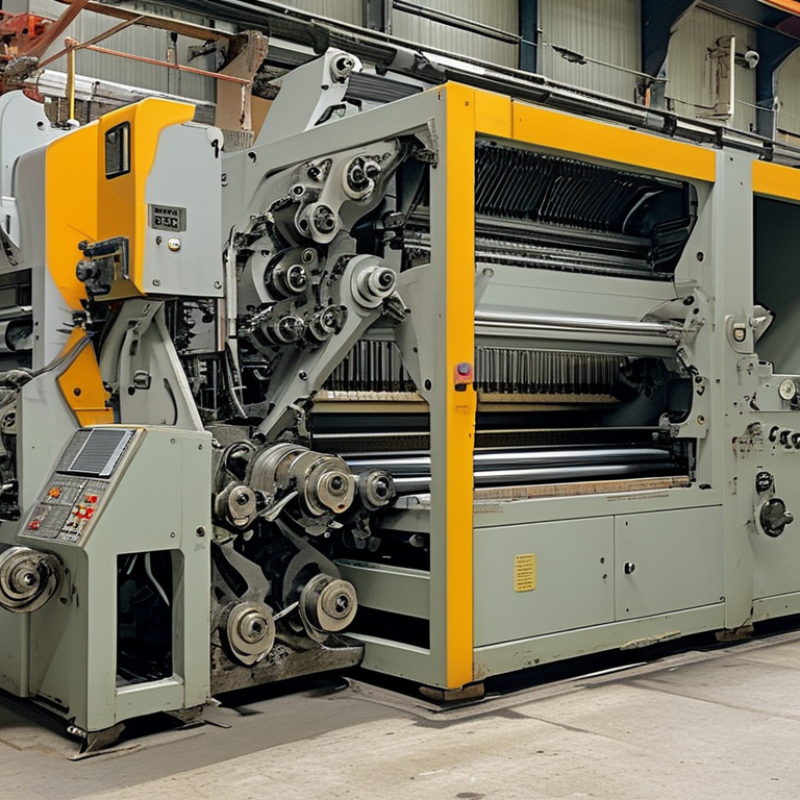
Rotary printing machines are essential for high-volume printing. Understanding their types is crucial. There are several kinds, including flexographic, gravure, and digital rotary printers. Each type serves different needs. Flexographic printers use flexible relief plates. They excel at printing on various materials, especially for packaging. Gravure printing offers high-quality images. It is best for long runs and detailed work.
Digital rotary machines are modern and versatile. They allow for quick changes in design without much downtime. However, their upfront costs can be high. Choosing the right machine depends on your production volume and material type. It’s essential to weigh the capabilities of each type against your specific requirements.
It’s important to reflect on your own needs. For example, how often will you use the machine? What materials will you print on? Consider the types of projects you plan to undertake. Having a clear vision can guide your choice. Knowing the advantages and limitations of each printing method will lead you to make a more informed decision.
Key Factors to Consider When Selecting a Rotary Printing Machine
When selecting a rotary printing machine, key factors should be carefully evaluated. Understanding your specific printing requirements is crucial. Consider the material you intend to print on, as different machines cater to different substrates. Paper, plastic, or fabric—each has distinct needs. The printing speed is another vital aspect. If your production demands are high, opt for machines with faster capabilities. Reliability during high-volume runs is essential to ensure consistent output.
Evaluate the printing technology used in the machine. Options like flexographic, gravure, or digital can drastically impact quality and cost-effectiveness. Compatibility with diverse ink types also allows for greater versatility. Additionally, consider the machine's size and configuration. Space constraints in your facility could limit what you can install. Make sure to assess ease of operation and maintenance, as these directly affect workflow efficiency.
Budget constraints are often unavoidable. Focus on balancing cost with the features that matter most to your operations. While it can be tempting to choose the cheapest option, reflect on long-term performance and support. Investing in quality can lead to fewer issues in the future. Consider consulting with industry experts, as their insights can provide clarity on the best choices available. Always keep in mind that selecting the right machine is an ongoing process, requiring adjustments and improvements over time.
How to Choose the Best Rotary Printing Machine for Your Needs? - Key Factors to Consider When Selecting a Rotary Printing Machine
| Feature |
Description |
Importance |
Recommendation |
| Printing Speed |
The number of prints produced per hour. |
High importance for large volume production. |
Choose a machine with adjustable speed settings. |
| Print Quality |
The resolution and vibrancy of the printed materials. |
Crucial for branding and customer satisfaction. |
Look for machines with high dpi ratings. |
| Material Compatibility |
Types of substrates the machine can print on. |
Important for flexibility in product offerings. |
Ensure it can handle diverse materials. |
| Setup and Maintenance |
Ease of installation and regular upkeep requirements. |
Affects overall operational efficiency. |
Select models known for user-friendly maintenance. |
| Cost |
Initial investment and ongoing operational costs. |
Critical for budget management. |
Analyze total cost of ownership over the machine's lifetime. |
Evaluating Your Production Needs and Print Quality Requirements
Choosing the right rotary printing machine requires a keen assessment of your production needs and print quality requirements.
Evaluate your production volume first. Industry reports indicate that businesses producing over 500,000 prints annually often opt for higher-capacity machines to maintain efficiency.
Lower volume needs might suffice with an entry-level model.
Print quality significantly impacts your choice. Are you printing vibrant colors or fine details?
Studies show that print resolution of 1200 DPI can produce stunning visuals for packaging and promotional materials. However, achieving this may require investing more upfront.
Consider the balance between cost and quality; sometimes, lower-quality prints can lead to higher customer dissatisfaction.
When narrowing down options, examine the types of materials you need the machine to handle. Different machines have varying capabilities with substrates.
Take feedback from current users seriously; their insights can reveal potential drawbacks or benefits you might overlook.
Consider testing samples before purchasing to gauge actual print output.
Look for machines with a reputation for reliability. Research indicates that a reliable machine can reduce downtime significantly.
Regular maintenance is also crucial for performance. A well-maintained machine often outperforms new models that have not been optimally cared for.
Understanding these factors ensures wise investments for your printing needs.
Budgeting for Your Rotary Printing Machine: Costs and Maintenance
When budgeting for a rotary printing machine, it's crucial to understand the associated costs. The initial purchase price often varies significantly. You might think a higher price guarantees better quality, but this isn't always the case. Maintenance costs can also add up. Regular servicing is essential to keep the machine running smoothly.
Consider how often you'll use the machine. High-frequency use may justify a more expensive, reliable option. Skimping on quality might lead to frequent breakdowns, which can be costly. It's worth evaluating the long-term expenses related to repairs and parts replacement.
Look into the maintenance requirements of potential machines. Some models require more frequent servicing than others. Finding one that balances performance and upkeep is vital. Think about potential hidden costs like shipping or installation as well.
Always research the warranty options available for the machines you’re considering. A solid warranty can save you money and stress down the line. Analyze user reviews to gauge reliability from real-world experiences. Choices can be overwhelming, but thorough research helps in making a sound decision.
Comparing Leading Brands and Technologies in Rotary Printing
When selecting the ideal rotary printing machine, understanding the leading brands and technologies is crucial. The rotary printing industry is evolving rapidly, with innovations enhancing speed, efficiency, and print quality. According to a recent market analysis, the global rotary printing machine market is projected to reach $6 billion by 2026, growing at a compound annual growth rate of 4.5%. This growth reflects continuous advancements in technology.
Leading brands focus on features such as automation and precision in printing. Many rotary machines now utilize servo motors for greater accuracy. These machines can print on various substrates, making them versatile across industries. Reports indicate that 78% of manufacturers prefer machines that offer flexible printing options without sacrificing quality. However, potential buyers should be cautious about the initial investment costs, which can be significant. Evaluating long-term ROI is essential, as cheaper models might lead to higher operational costs and maintenance challenges.
Choosing the right technology involves assessing specific printing needs. High-speed machines excel in volume production, while others may prioritize color accuracy. It’s essential to balance efficiency with the unique demands of your operations. Regular performance monitoring can reveal shortcomings in specific machines, driving improvements in productivity and quality over time.