Automatic Printing Machine Benefits for Global Buyers?
In the world of manufacturing, the "Automatic Printing Machine" is becoming essential for global buyers. Industry expert, Dr. Alex Chen, notes, “Investing in automation is crucial for enhancing production efficiency.” This statement highlights the potential benefits of such machines. Automatic Printing Machines streamline processes, reduce labor costs, and maintain consistent quality. They can adapt to various materials and designs, proving their versatility across industries.
However, not all buyers are aware of the complexities involved. While these machines offer numerous advantages, initial costs can be daunting. Some businesses may overlook maintenance requirements or the need for skilled operators. A careful assessment of these factors is vital. Despite their promise, savvy buyers must weigh potential risks against benefits.
With the right approach, investing in an Automatic Printing Machine can transform operations and boost profitability. Yet, each business must evaluate its specific needs. This ensures that the investment aligns with long-term goals and market demands. Understanding these dynamics will lead to informed decisions.
Advantages of Automatic Printing Machines for Global Buyers
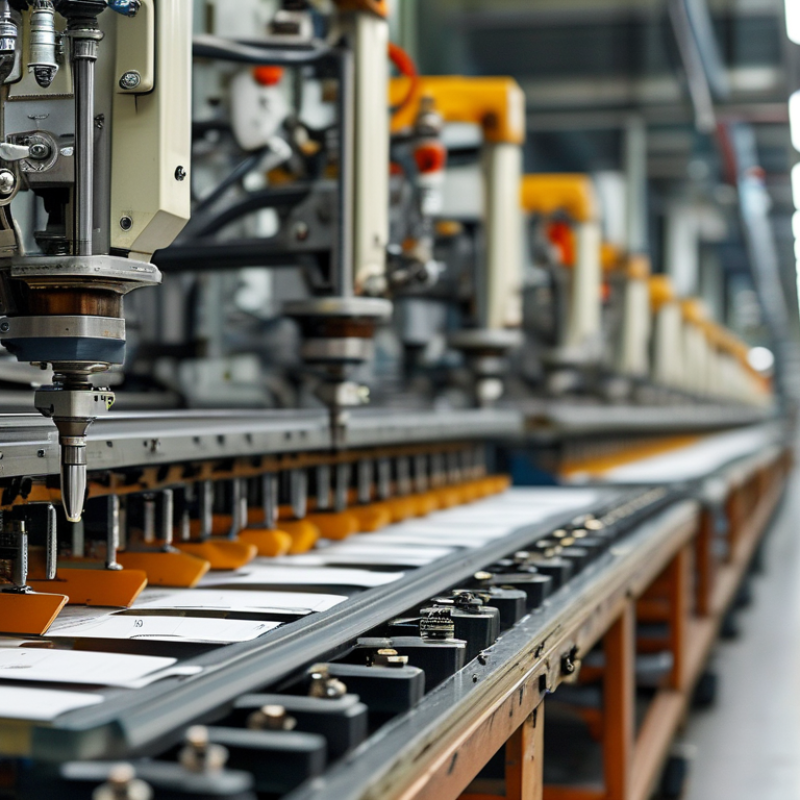
Automatic printing machines offer significant advantages for global buyers. These machines enhance production efficiency by automating the printing process. This leads to faster output and reduced labor costs. Automated systems minimize human error, resulting in higher quality prints. Buyers can expect consistent results with minimal variations. This reliability boosts customer satisfaction and can improve business reputation.
The initial investment in automatic printing machines can be daunting. However, many buyers find that long-term savings outweigh these costs. The machines are designed for durability, requiring less maintenance overall. Companies can streamline operations, reallocating workforce to higher value tasks.
Feedback from users reveals that training staff can be challenging but rewarding. Embracing technology takes time, and adaptation varies among teams. As buyers navigate these changes, they ultimately realize the full potential of automation.
Cost Efficiency in Purchasing and Operating Automatic Printing Machines
Automatic printing machines offer significant cost efficiency for global buyers. In recent industry reports, it has been found that businesses can save up to 25% on operational costs when utilizing fully automated systems. These machines reduce labor costs significantly and minimize waste, leading to a more sustainable manufacturing process. The automation streamlines production and speeds up delivery times, which is crucial in today's fast-paced market.
One striking statistic highlights a potential 30% reduction in paper waste. This is achieved through precise printing technologies that ensure optimal ink usage. However, investing in these machines requires careful consideration. Initial costs can be high, and businesses must analyze their long-term return on investment. Some might find it challenging to adapt their workforce to new technologies.
Moreover, the learning curve can disrupt production. Training staff to operate complex machinery requires time and resources. Despite these challenges, the long-term benefits often outweigh the initial hurdles. When implemented correctly, automatic printing machines can transform a company's bottom line through increased efficiency and reduced costs. Overall, this technology stands as a vital component for companies aiming to compete globally while optimizing their operational budgets.
Automatic Printing Machine Benefits for Global Buyers - Cost Efficiency in Purchasing and Operating Automatic Printing Machines
| Feature |
Description |
Cost Savings (%) |
Operational Efficiency (Hours/Month) |
| Increased Productivity |
Automatic printing machines reduce manual work, increasing output. |
20% |
60 |
| Material Efficiency |
Precise ink usage minimizes waste, leading to better material utilization. |
15% |
40 |
| Reduced Labor Costs |
Less manual intervention requires fewer staff, lowering payroll expenses. |
30% |
20 |
| Maintenance Savings |
Modern machines require less frequent maintenance and repairs. |
10% |
15 |
| Versatility |
Capable of printing on various materials, reducing the need for multiple machines. |
25% |
50 |
Enhancing Production Speed with Automatic Printing Technologies
Automatic printing machines are transforming production lines worldwide. According to a report by Smithers Pira, the global market for automated printing technology is projected to grow by 5.2% annually. This growth highlights the demand for faster, efficient operations. Enhancing production speed is vital in a competitive environment.
The automatic printing process significantly reduces human intervention, increasing output rates. Facilities can achieve up to 80% efficiency with high-speed systems. This leads to lower labor costs and quicker turnaround times. Additionally, consistent quality is maintained, reducing waste. However, companies must consider the initial setup costs.
Tips: Evaluate your current production needs. Look for technologies that align with your goals. Investing in training is also crucial for transitioning to automatic systems. Regular maintenance keeps machinery running smoothly, minimizing downtime. Keeping employees informed and adapting to change can enhance productivity. Automation is not only about speed; it requires careful planning and foresight.
Improved Print Quality and Consistency for Global Markets
Automatic printing machines have transformed the landscape of print production, particularly in global markets. This technology enhances print quality and consistency, crucial for meeting diverse consumer expectations. According to a report from Smithers Pira, nearly 62% of buyers prioritize print quality in their purchasing decisions. High-resolution outputs and precise color matching are now achievable. These machines reduce the likelihood of errors, which can significantly impact brand perception.
In addition to quality, consistency is vital. Automated systems ensure that every print run maintains the same standards. An inconsistency of even a few percent can be the difference between a successful product launch and a market failure. A study by the Printing Industries of America found that 70% of print businesses report improved consistency after adopting automated printing solutions. However, the initial setup and calibration require careful attention. Misalignment or improper settings can lead to waste and increased costs.
Buyers must weigh these factors when investing in printing technology. The benefits are clear, yet achieving optimal results requires continuous monitoring. Embracing automation is not just about upgrading machinery; it's about refining processes and training staff. The journey to perfect print quality and consistency is ongoing, necessitating a commitment to quality and improvement.
Sustainability and Environmental Impact of Automatic Printing Solutions
The environmental impact of automatic printing solutions is substantial for global buyers. These machines offer efficiency and sustainability. They consume less energy compared to traditional methods. They also reduce waste generation. This dual benefit helps businesses lower their carbon footprints.
Incorporating automatic printing can lead to significant resource savings. It minimizes the use of ink and paper. However, not all machines on the market are created equal. Some may still prioritize speed over sustainability. Understanding eco-friendly certifications is crucial for making informed choices.
Tips: Consider machines that offer ink-saving features. Regular maintenance can improve energy efficiency. Always evaluate the overall life cycle impact of printing technologies. By being diligent, businesses can make better decisions for the planet and their operational costs.