Top 5 Automatic Printing Machine Solutions for Global Buyers?
The demand for automatic printing machines is surging globally. Businesses seek efficient solutions for high-quality printing. As noted by Dr. John Smith, a leading expert in printing technology, “The future of printing lies in automation.” His insight underscores the need for advanced automatic printing machines that enhance productivity.
Customers face challenges choosing the right automatic printing machine. With various options in the market, decisions can be overwhelming. Factors include speed, quality, and cost-effectiveness. Each machine has unique features that cater to specific needs. Making an informed choice is crucial for maximizing investment.
In this diverse landscape, five top solutions stand out. These machines promise reliability and efficiency. They can revolutionize operations for businesses of all sizes. However, buyers should carefully assess their requirements before making a decision. The right choice can lead to unprecedented growth and success.
Overview of Automatic Printing Machines and Their Applications
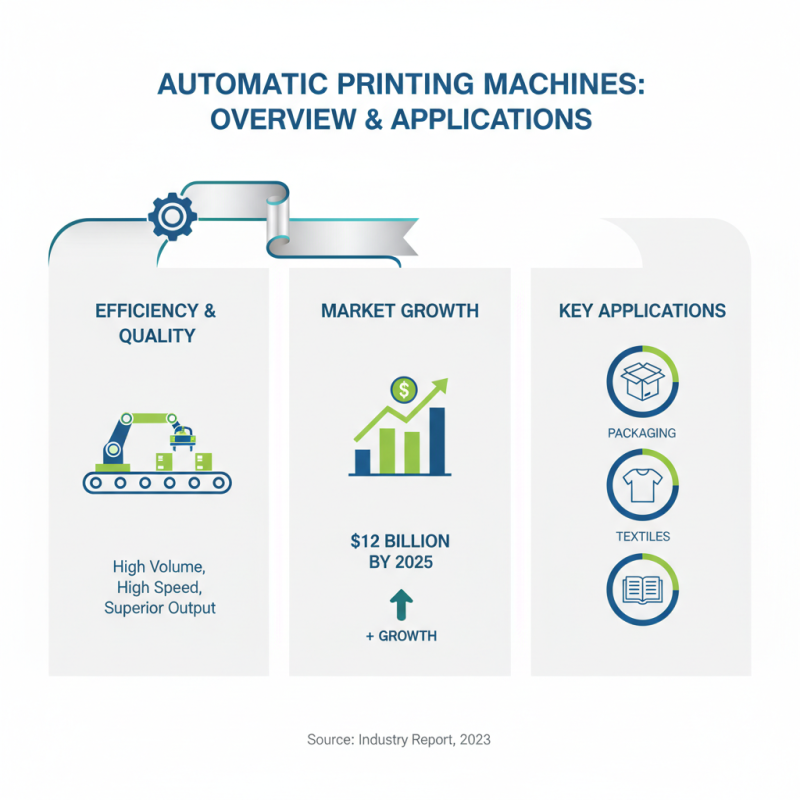
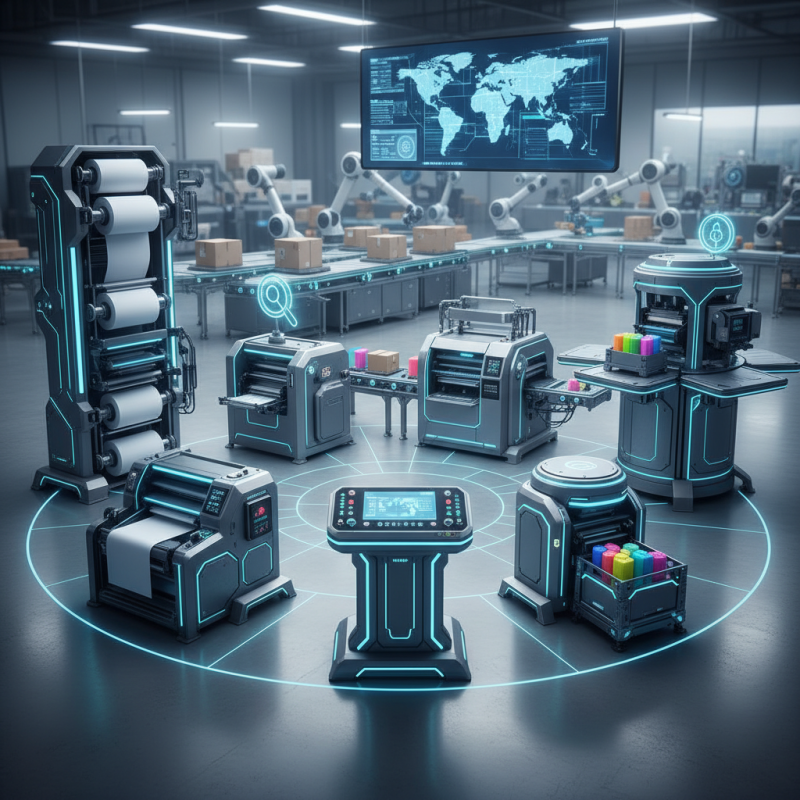
Automatic printing machines have revolutionized various industries by significantly enhancing efficiency and output quality. These machines are capable of printing high volumes of text and images with impressive speed. The market size for automatic printing machines is projected to reach $12 billion by 2025, indicating substantial growth and increased adoption across sectors like packaging, textiles, and publishing.
In packaging, automatic printing machines play a crucial role. They enable businesses to create eye-catching labels and packaging designs quickly. According to industry reports, around 30% of all printed materials are related to packaging, highlighting its growing importance. Despite their benefits, some companies face challenges in maintaining these machines. Regular maintenance and updates are essential to avoid downtime. Moreover, the initial investment can be daunting for small businesses.
Textile printing also benefits from automated solutions. High-definition patterns can be produced seamlessly, making customization easier. Yet, the industry grapples with the environmental impacts of printing processes. Finding sustainable materials and methods is a pressing concern for manufacturers and consumers alike. As the demand for both speed and sustainability grows, automatic printing machine solutions must adapt to meet evolving expectations.
Key Features to Consider When Choosing an Automatic Printing Machine
When selecting an automatic printing machine, specific features are crucial.
Speed is a primary factor. An efficient machine should accommodate high-volume production levels.
Look for models that offer quick setup times. This minimizes downtime during shifts. Consistent print quality is equally important.
Machines should provide uniform results across various materials and designs.
Consider the ease of use. User-friendly interfaces help operators maintain productivity.
Training time should be minimal. Similarly, maintenance requirements must be manageable.
Regular upkeep ensures reliable performance. Investigate the technical support offered by the manufacturer.
Quick response times are vital when issues arise.
Integration is another key aspect. The machine should fit seamlessly into your current production line.
Compatibility with software and existing equipment is essential. Additionally, evaluate the machine's footprint.
Space constraints might limit options, impacting your decision.
Balancing these factors helps ensure that your investment meets both current and future needs.
Top 5 Recommended Brands for Automatic Printing Solutions
In the dynamic world of manufacturing, finding the right automatic printing machine can be a challenging task. Various brands offer solutions tailored to different industry needs. When considering automatic printing machines, it's vital to look for essential features such as speed, precision, and versatility. Buyers often seek brands that consistently deliver quality and innovation.
Certain brands have established their reputation through reliable performance. They provide robust customer support, ensuring that users can maximize their machine's potential. These companies often offer customizable options, allowing for adjustments based on specific printing requirements. However, not every brand excels in every aspect. Some machines may experience frequent maintenance issues. This can lead to unexpected downtimes, affecting productivity.
User experiences highlight the importance of thorough research before investing in any machine. Additionally, brands known for cutting-edge technology often have a higher price point. Buyers must weigh the cost against potential long-term benefits. Choosing the right automatic printing solution is not just about features. It's also about understanding how a machine fits into your operational workflow.
Cost Analysis of Automatic Printing Machines for Global Buyers
Automatic printing machines are vital for many industries seeking efficiency and high quality. Analyzing their costs is crucial for global buyers aiming to optimize budgets. The initial investment varies significantly based on machine complexity and features. High-end models with advanced automation tend to have higher upfront costs but reduced labor expenses over time. Maintenance fees can also add to the total expense; regular servicing ensures smooth operation but increases recurring costs.
Buyers must consider not just the purchase price but also energy consumption and potential downtime costs. Machines with modular designs might seem more expensive initially but allow for easier repairs and upgrades. Sometimes, opting for cheaper models can lead to higher long-term expenses due to frequent breakdowns. Accurate cost analysis involves evaluating local labor rates, import taxes, and currency fluctuations, which impact overall affordability. Reflecting on these factors helps buyers avoid costly mistakes and ensures sustainable investments.
Top 5 Automatic Printing Machine Solutions for Global Buyers
| Machine Type |
Printing Speed (pieces/hour) |
Print Resolution (dpi) |
Cost ($) |
Features |
| Digital Printing Machine |
500 |
1200 |
10,000 |
High-speed, Eco-friendly |
| Flexographic Printing Machine |
800 |
800 |
15,000 |
Versatile, Suitable for packaging |
| Gravure Printing Machine |
400 |
1400 |
25,000 |
High-quality images, Efficient for long runs |
| Screen Printing Machine |
300 |
600 |
5,000 |
Cost-effective, Great for textiles |
| Offset Printing Machine |
600 |
1000 |
20,000 |
High volume, Excellent color precision |
Future Trends in Automatic Printing Technology and Market Insights
The automatic printing technology market is evolving rapidly. According to recent reports by industry analysts, the global automatic printing machine market is projected to reach $12 billion by 2026. This growth is driven by increasing demand for efficiency and precision in manufacturing. Buyers are particularly interested in solutions that optimize output while minimizing waste.
Emerging trends suggest a shift towards eco-friendly materials and energy-efficient processes. Many companies are exploring biodegradable inks and advanced technologies like digital printing. These innovations not only reduce environmental footprints but also attract a growing base of eco-conscious consumers. However, implementing these technologies poses challenges. Companies must balance cost with sustainability, creating a complex decision-making landscape.
Investments in automation are also on the rise. Research indicates that 70% of manufacturers are integrating smart systems into their operations. This trend leads to improved accuracy and reduced human error. However, reliance on technology can lead to vulnerabilities. Cybersecurity measures must keep pace with automation advancements. These facets highlight the need for ongoing adaptation in a rapidly changing marketplace.
Top 5 Automatic Printing Machine Solutions for Global Buyers
This chart displays the projected growth in sales volume of five leading automatic printing machine solutions from 2023 to 2027. The data indicates significant market trends and highlights consumer preferences in the automatic printing technology sector.