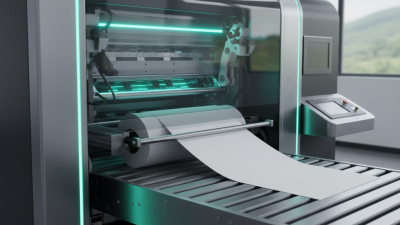
Exploring the Best Rotary Printing Machines for Your Business Needs?
In today's fast-paced printing industry, choosing the right Rotary Printing Machine is crucial for businesses aiming to enhance efficiency. According to a recent report by Global Market Insights, the rotary printing market is projected to reach $10 billion by 2025, with increasing demand from various sectors such as packaging and textiles. This growth underscores the importance of selecting the best machine that meets specific business needs.
Expert in the field, Dr. Linda Thompson, states, "Investing in a high-quality Rotary Printing Machine can significantly impact production costs and print quality." Her insights emphasize that not all rotary printing solutions are created equal. Businesses need to evaluate their unique requirements, such as print speed and material compatibility, to make an informed decision.
While the advantages of rotary printing are apparent, challenges remain. Many companies face difficulties in integrating new machines into existing workflows. Experts often advise conducting a thorough analysis of both current processes and future needs. This reflection ensures that the chosen rotary printing solution aligns not just with immediate goals, but also sustainability and growth over time.
Understanding Rotary Printing Machines: An Overview
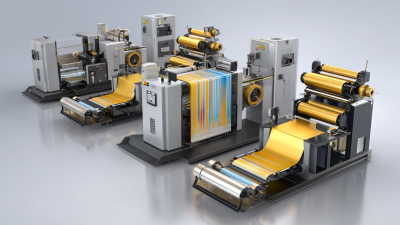
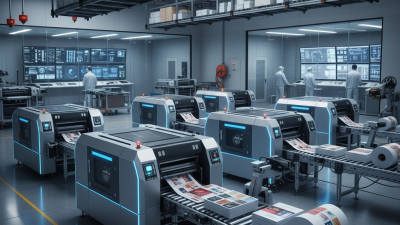
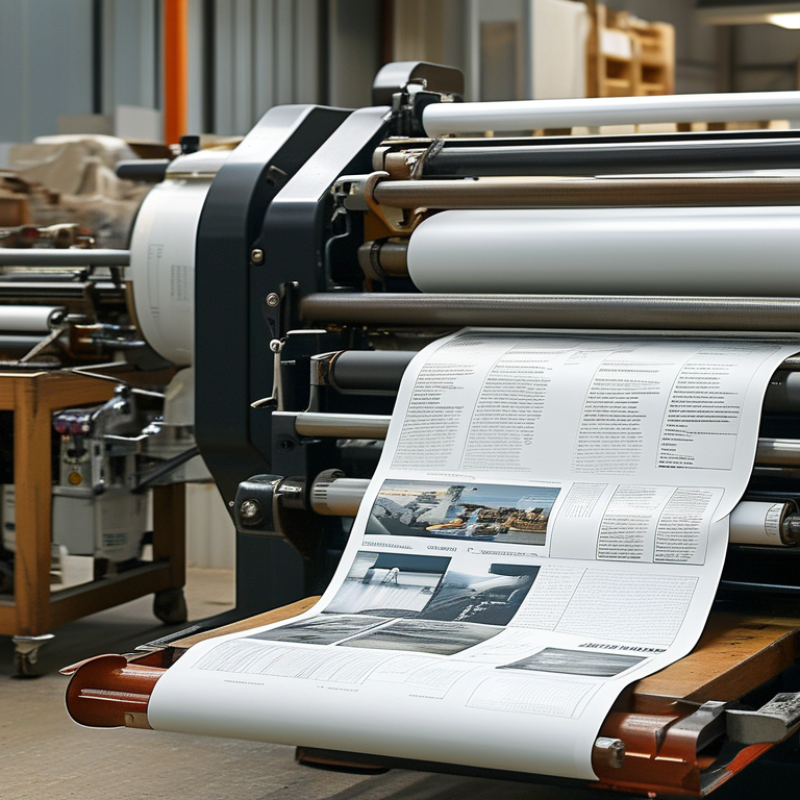
Rotary printing machines play a vital role in the printing industry. These machines use a unique process involving cylindrical rollers. This method applies ink directly to materials like paper or fabric. The result is high-quality prints with vibrant colors. Understanding these machines is crucial for businesses looking to optimize their printing processes.
Various factors influence the selection of a rotary printing machine. Businesses must consider their specific printing needs. Volume, material type, and print quality are essential. Some machines offer faster speeds than others. However, speed shouldn't always be the priority. Quality and precision can often matter more. There can be trade-offs that businesses need to evaluate carefully.
While exploring options, it’s critical to think about maintenance and support. Machines can experience wear and tear. Regular upkeep is necessary to ensure longevity. Understanding the complexity of the machine can help operators perform basic repairs. However, not all problems are straightforward. Expert assistance may be required at times. This can lead to downtime, impacting productivity. Finding the right balance can be challenging but crucial for business success.
Exploring the Best Rotary Printing Machines for Your Business Needs
| Machine Model |
Max Print Width |
Speed (m/min) |
Ink Type |
Applications |
| Model A1 |
1100 mm |
150 |
Solvent |
Labels, Packaging |
| Model B2 |
1300 mm |
200 |
UV |
Flexible Packaging, Cartons |
| Model C3 |
1500 mm |
120 |
Water-based |
Textiles, Paper |
| Model D4 |
1250 mm |
180 |
Eco-Solvent |
Banners, Signage |
| Model E5 |
1400 mm |
160 |
Latex |
Indoor & Outdoor Graphics |
Key Features to Consider When Selecting a Rotary Printing Machine
When selecting a rotary printing machine, it’s essential to evaluate key features thoroughly. Speed is critical. A faster machine boosts productivity, which is vital for meeting tight deadlines. However, remember that higher speed can sometimes compromise print quality. Balancing these aspects is crucial for long-term success.
Another important feature is versatility. A good rotary printing machine should handle various substrates. Whether it's paper, plastic, or fabric, adaptability can help you expand your offerings. Additionally, consider the machine's setup time. A model that’s easy to set up means less downtime and smoother operations.
Lastly, look at the maintenance requirements. Some machines need frequent servicing, while others are more dependable. Understand your team's capabilities. Are they skilled enough to perform complex repairs? This factor will affect your operational efficiency. Always reflect on these features, as the right machine can significantly impact your business growth.
Types of Rotary Printing Machines and Their Applications
Rotary printing machines are diverse tools critical to various industries. Common types include flexographic, gravure, and offset machines. Each has unique applications tailored to specific printing needs.
Flexographic printing is widely used for packaging. It provides high-speed printing suitable for labels and flexible materials. Industry reports indicate that the flexographic market is growing at a rate of 3.5% annually. This growth highlights its versatility in different settings, but challenges persist, like ink consistency under varied conditions.
Gravure printing focuses on high-quality images. It's ideal for large print runs, especially in packaging and publishing. Despite its efficiency, it requires significant initial investment and skilled oversight. Offset printing, while not as fast, delivers precision for detailed projects. It excels in short runs but can be costly if not optimized.
Understanding the specific needs of your business is essential. Selecting the right rotary machine impacts productivity and cost-effectiveness. Explore options within each type, considering both their strengths and limitations.
Evaluating Cost-Effectiveness and ROI for Your Business
Evaluating cost-effectiveness for rotary printing machines requires careful analysis. Many industries find that investing in high-quality machinery can significantly boost productivity. According to a report by Smithers Pira, the global printing market is expected to reach $980 billion by 2024. This growth emphasizes the need for efficient solutions.
When assessing return on investment (ROI), businesses must consider more than just the initial costs. Operating costs, maintenance, and downtime impact overall profitability. A study by the Printing Industries of America reveals that well-maintained machines can enhance efficiency by up to 30%. However, improper usage can lead to unforeseen expenses.
It's also vital to evaluate potential waste and reprints. Research indicates that print waste can account for up to 10% of production costs. This underscores the need for precision and quality in printing processes. Investing in advanced rotary printing technology may reduce waste, thus improving overall cost-effectiveness. However, businesses often struggle with balancing costs and benefits. The key lies in a thorough analysis of long-term impacts.
Evaluating Cost-Effectiveness of Rotary Printing Machines
Top Brands and Models of Rotary Printing Machines in the Market
When considering rotary printing machines, understanding the top brands and models is crucial for informed decision-making. Recent industry reports indicate that rotary printing technology has grown significantly, with the market expected to reach $1.2 billion by 2026. This surge reflects the increasing demand for high-speed and high-quality printing solutions.
Leading rotary printing machines vary widely in features. Some prioritize speed, reaching up to 600 meters per minute, while others focus on print quality, achieving resolutions of 1200 dpi. Manufacturers have been innovating to improve functionality, offering models that streamline production while reducing waste. However, it is essential to note that not every model may suit every business. Some may struggle to maintain consistency in output, and user experiences can differ based on specific needs.
The choice of the right model often depends on industry requirements. For instance, packaging applications may need different capabilities compared to textile printing. Hence, businesses should assess their unique needs against available options. Incorporating user reviews can provide insights, yet firsthand experience remains invaluable. Differentiating between features and aligning them with production goals is often a challenging yet vital task for organizations.