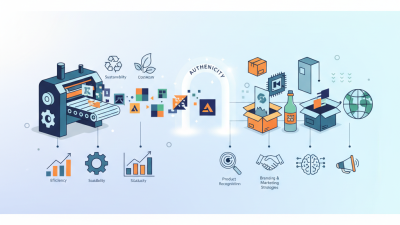
What is an Automatic Printing Machine and How Does It Work?
The Automatic Printing Machine plays a vital role in modern manufacturing. This technology revolutionizes the printing industry, allowing for greater efficiency and accuracy. According to a report by Smithers Pira, the global printing machinery market is projected to reach $35 billion by 2025. This highlights the growing demand for such advanced machinery.
Automatic Printing Machines use sophisticated mechanisms to automate the printing process. They minimize human intervention, which can lead to errors. In industries like packaging and textiles, these machines increase productivity by up to 30%. Yet, this shift raises questions about job displacement and the need for skilled operators.
While Automatic Printing Machines offer many advantages, they also come with challenges. The initial investment can be significant. Companies must balance the cost against potential long-term gains. Ensuring machine reliability and maintenance is crucial for achieving optimal output. As the industry evolves, understanding these machines' complexities becomes essential for staying competitive.
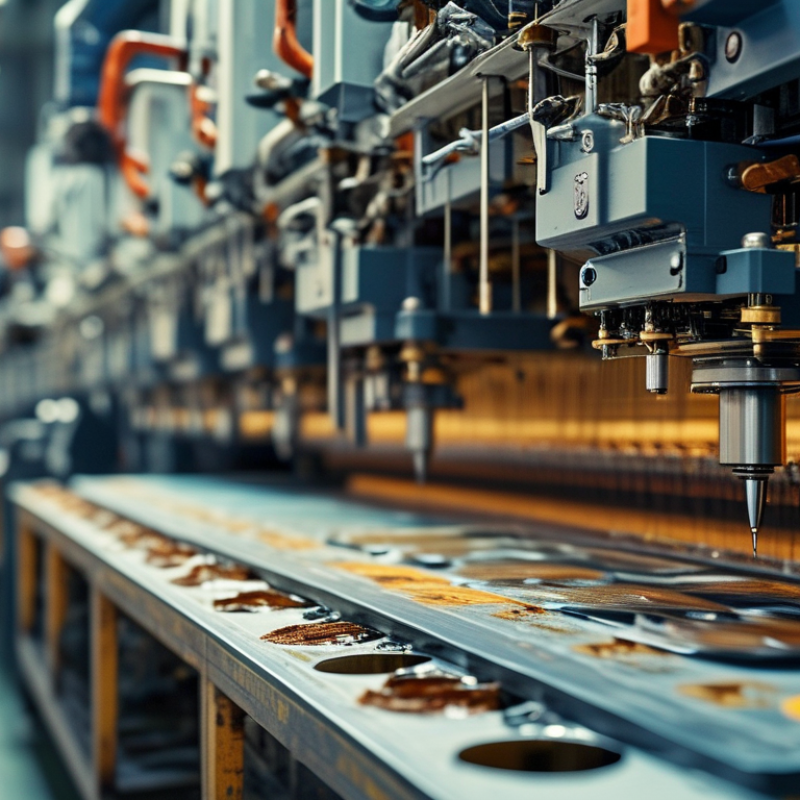
Definition and Purpose of an Automatic Printing Machine
An automatic printing machine is a sophisticated device designed for high-volume printing tasks. These machines streamline the printing process, allowing businesses to produce large quantities of printed materials efficiently. They are primarily used in commercial settings, such as printing houses, packaging companies, and even newspapers. By automating the printing process, these machines reduce the time and labor needed for production.
The purpose of an automatic printing machine is to enhance productivity and maintain consistent quality. Unlike manual printing, which can lead to human errors, automatic machines offer precise control over ink distribution and alignment. They use advanced technologies to ensure that each print is uniform. This reliability makes them essential for businesses focused on meeting tight deadlines while maintaining high standards.
However, it's important to recognize that these machines require regular maintenance. Issues can arise that impact print quality, such as ink clogging or misalignment. Operators need to be trained to troubleshoot these problems effectively. Additionally, the initial investment in such equipment can be significant. Businesses must weigh the benefits against the costs to make informed decisions. Understanding these challenges is crucial for anyone looking to utilize automatic printing machines.
Automatic Printing Machine Usage Statistics
This chart represents the usage of automatic printing machines across different industries, highlighting the sectors with the highest demand for these machines.
Key Components of an Automatic Printing Machine
Automatic printing machines are a marvel of modern technology. They consist of several key components that work in unison to produce high-quality prints efficiently. One of the main components is the print head. It applies ink to the material. The precision of the print head affects the overall quality of the output. Larger print heads may work faster but can struggle with finer details.
Another critical part is the feeder system. It moves the material through the machine. This system ensures accurate alignment and consistent pressure while printing. If the feeder is misaligned, it can lead to poor prints or wasted materials. Operators must regularly check this component to maintain efficiency.
Additionally, the drying unit is essential. After printing, the ink needs to dry quickly to prevent smudging. The drying process can vary based on the type of ink used. Some inks require heat, while others need certain lighting conditions. Understanding these elements is crucial for optimal machine performance. Regular maintenance and calibration are also necessary. This ensures that all parts function smoothly and help reduce the chance of errors during printing.
How Automatic Printing Machines Function: A Step-by-Step Overview
Automatic printing machines play a vital role in today’s manufacturing and printing industries. They streamline the printing process, making it faster and more efficient.
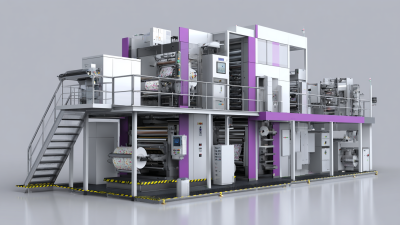
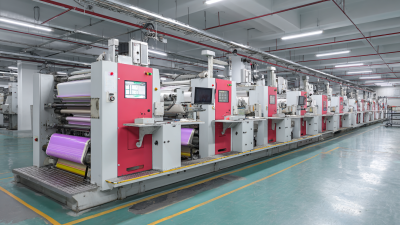
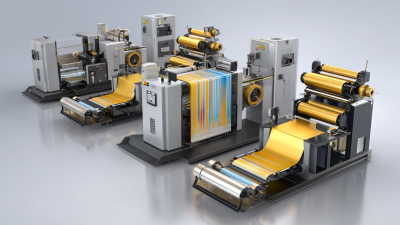
These machines operate by feeding paper through a series of rollers and printing units. Each unit applies color in specific layers, resulting in high-quality prints.
Understanding how these machines function requires a step-by-step overview. Initially, the design is prepared using software. Then, the machine adjusts settings based on the material type. Next, the paper is fed into the machine, where it aligns perfectly for printing. After printing, it undergoes drying and finishing processes, which may include cutting or folding.
Tip: Regular maintenance is crucial. Small adjustments can prevent larger issues later. Check rollers and ink levels frequently to maintain optimal performance.
Finally, operators must monitor the printing quality continuously. Even with automated systems, human oversight helps catch errors early. Sometimes, colors may not align perfectly, requiring fine-tuning.
Tip: Always document any inconsistencies. Keeping a record will help identify patterns in errors, leading to better solutions. Automated machines are powerful, but they thrive on a combination of technology and diligent management.
Advantages of Using Automatic Printing Machines
Automatic printing machines represent a significant advancement in the printing industry. These machines automate various processes, reducing manual labor and increasing efficiency. They are designed to handle large volumes of printing tasks quickly and accurately. According to a 2022 report by Smithers Pira, automated printing solutions have the potential to enhance productivity by up to 30%.
The advantages of using automatic printing machines are numerous. Firstly, they minimize human error, which can lead to costly mistakes in printing. A study conducted by the Printing Industries of America found that automation can reduce operational costs by approximately 15-20%. This is particularly beneficial for businesses that aim to maximize profit margins. Furthermore, these machines often have advanced features, such as duplex printing and variable data printing. Such capabilities allow for more creative and personalized printing projects.
However, the transition to full automation is not without challenges. Integration of new technology may require substantial upfront investment. Staff training is also necessary to ensure efficiency. Some companies may struggle during this adjustment phase. Yet, the long-term benefits often outweigh these initial hurdles. As industries continue to evolve, those who embrace automatic printing machines could gain a competitive edge.
Applications of Automatic Printing Machines in Various Industries
Automatic printing machines have transformed the way various industries approach their printing needs. In packaging, these machines ensure consistent color accuracy and precise designs. This reliability is crucial for brand identity. They can print on diverse materials, from paper to plastics. Such versatility makes them essential in industries like food and beverages, where vibrant packaging attracts consumers.
Textile manufacturers have also embraced automatic printing technology. These machines enable intricate patterns on fabrics with speed and efficiency. The result is a massive reduction in production time. However, challenges still exist, including the cost of maintenance and necessary training for operators. Getting adaptative systems to work flawlessly can be demanding.
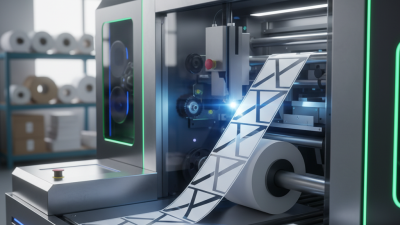
Moreover, in label printing, automatic machines play a vital role. They produce large volumes of labels quickly, satisfying the growing demand in retail sectors. The precision of these machines improves inventory control and enhances customer experience. Yet, balancing speed with quality remains critical. Implementations may require adjustments, and operators must be vigilant to prevent errors. Each industry benefits uniquely, but there are always lessons to be learned in optimizing these systems.