Leave Your Message

How to Choose a Rotary Printing Machine for Your Business

Choosing a Rotary Printing Machine is a production decision, not simply a search for the fastest press. The right choice depends on what you print, how often you change jobs, and what your team can maintain. A narrow-web label shop has different needs from a packaging plant running long film jobs. Think about substrates, repeat lengths, color requirements, finishing, floor space, and operator experience. A machine that looks impressive in a showroom may be poorly matched to Tuesday’s workload.

Printing-industry analyst Frank Romano is a useful voice to consider. The following is an editorial paraphrase, not a verified verbatim quotation: “Choose the press for the work you actually run, not the brochure you admire.” That principle keeps the evaluation grounded. Compare realistic samples, not just speed claims. Ask suppliers to demonstrate changeovers, registration control, waste levels, and cleaning procedures using materials close to yours. Watch the first sheets. Notice how much adjustment they need.

The purchase price is only part of the picture. Ink, plates or sleeves, tooling, energy, service access, and downtime shape the cost of each job. Ask who will train operators and how quickly critical parts can arrive. A specification sheet cannot answer every question. Sometimes, a test run exposes an awkward setup or a detail nobody considered. That is useful. This guide will help you weigh machine types, performance, costs, and support before choosing a Rotary Printing Machine that fits your business today—and leaves room for its next stage.
How to Choose a Rotary Printing Machine for Your Business

Define Your Printing Needs and Production Requirements

Before comparing rotary presses, define the work they must handle. List your usual substrates, web widths, ink systems, color counts, and order sizes. Start with the job. A machine suited to long, repeat orders may waste time on frequent short runs. Note your peak weekly volume too, but base the decision on typical production, not one exceptional month.

According to Smithers’ The Future of Global Packaging to 2028, the global packaging market was forecast to reach about $1.42 trillion in 2028, up from $1.17 trillion in 2023.

That growth does not guarantee demand for your specific products. Use your own order history to estimate annual volume, seasonal peaks, and likely job changes. Then check the floor: measure space for the press, unwind and rewind units, drying equipment, and safe material handling.

Ask suppliers for a demonstration using your actual stock and a representative job. Record running speed, setup time, registration stability, and material waste—not just the top speed on a specification sheet. A single test cannot predict every shift. Still, it can reveal whether a narrow web, fast color changes, or drying limits will constrain output. Leave room for uncertainty; forecasts are useful, but your product mix may change.
Compare Rotary Printing Technologies and Machine Types

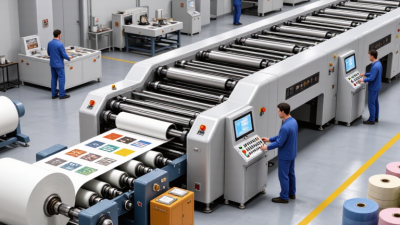
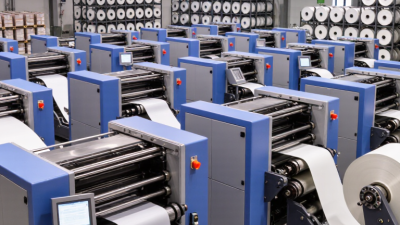
Rotary machines differ by image carrier, ink system, and the work they handle best. Flexographic presses use flexible plates and suit labels, films, and cartons at high speeds. Gravure transfers ink from engraved cylinders, making it useful for long, consistent runs; cylinder preparation adds cost. Web offset delivers sharp text and images on paper, though it may not suit every film or packaging job. Digital rotary presses skip plates and handle short runs or changing artwork. Check ink adhesion and drying on your actual stock. No single type fits every job.

Smithers’ 2023 report, The Future of Digital Printing to 2032, valued global digital printing at $136.7 billion in 2022. It projected $230.5 billion by 2032. That forecast covers digital printing broadly, not rotary machines alone. Use it as market context, not a purchase guarantee. Compare total cost per saleable metre, including setup waste, plates, cylinders, ink, and changeover time. Ask suppliers to run your own substrate and artwork. Measure registration, drying, and waste during the trial. I would not trust brochure speed alone. A machine can look fast on paper and still struggle with your actual material.

How to Choose a Rotary Printing Machine for Your Business

Compare rotary printing technologies by typical production strengths.

Scores are indicative qualitative ratings on a 1–5 scale, not measured industry benchmarks. Flexography is adaptable across many packaging materials, gravure is often suited to long runs, and rotary offset is commonly selected for consistent high-quality work. Actual performance depends on the press configuration, substrate, job length, and finishing requirements.

Evaluate Speed, Print Quality, Materials, and Automation

A rotary printing machine should match the jobs you actually run, not just the fastest figure on a specification sheet. Ask whether the quoted speed holds during a full shift, with your usual design and material. Faster output can mean little if registration drifts or drying becomes uneven. That matters. Request a sample printed at production speed, then inspect fine text, solid color areas, and edges under normal lighting. A small mismatch may be acceptable for some packaging, but not for detailed labels.

Materials affect both print quality and machine setup. Bring samples of your paper, film, or other intended stock, and check how the machine handles thickness, stretch, and surface texture. Test real stock. Look for ink adhesion, smudging, and consistent web tension across the run. Automation can help control registration, monitor faults, and reduce setup waste, but it adds sensors and settings that require maintenance. Ask operators how long changeovers take and what adjustments they still make by hand. I would leave room for an imperfect test: one short trial rarely reveals every issue, especially when humidity or material batches change.

Calculate Total Ownership Costs and Space Requirements

Before comparing purchase prices, build a five-year ownership model. Add the press, freight, rigging, electrical work, tooling, training, maintenance, consumables, and expected downtime. The U.S. Energy Information Administration reported an average industrial electricity price of 8.14 cents per kilowatt-hour in 2023. Use your local tariff and the machine’s measured load to estimate annual power costs; published averages are only a starting point. For example, a 20-kilowatt load running 2,000 hours uses 40,000 kilowatt-hours. At that national average, electricity would cost about $3,256 yearly. Small leaks matter. The U.S. Department of Energy’s compressed-air system sourcebook notes that compressed air can use about 10% of electricity in manufacturing plants, with higher shares in some facilities. Ask suppliers for auxiliary-air requirements, not just press ratings.

Space costs money too. Measure the complete operating area, including unwind and rewind rolls, ink handling, access panels, operator movement, and finished-roll staging. A machine’s listed footprint rarely shows the whole working zone. Mark the proposed layout on the floor with tape, then test roll changes and routine cleaning before committing. Keep clear routes for material movement and maintenance access, based on site conditions and equipment guidance. I have seen layouts that fit on paper but leave no sensible place for a loaded roll cart. That detail is easy to miss. Compare total annual cost per saleable impression, and record assumptions for waste, uptime, labor, and utilities; early estimates will need revision after trial runs.

Assess Suppliers, Support, and Machine Demonstrations

When comparing suppliers, look beyond the quoted machine price. Ask for references from businesses with similar materials, print widths, and production volumes. Request a written breakdown of installation, operator training, spare parts, and routine maintenance. A low quote can leave important costs unclear.

Check how support works after delivery. Who answers technical questions, and when can a technician visit? Ask which wear parts are stocked locally and how quickly common items ship. Get response times in writing. That matters during a press stoppage. A polished service promise is not the same as dependable support, so speak with current customers if possible. Their experience may not match yours exactly.

Arrange a demonstration using your own substrate, ink, and artwork whenever possible. Watch a full setup, not only a short, fast run. Note registration accuracy, drying, waste during changeovers, and how easily operators adjust tension. Bring a simple checklist. Ask to inspect the finished prints under consistent lighting. Demo conditions are often unusually tidy, and that can hide everyday hassles. Still, a test run gives useful evidence. Record the settings and ask whether the supplier can repeat them on a later visit.

How to Choose a Rotary Printing Machine for Your Business - Assess Suppliers, Support, and Machine Demonstrations

Evaluation Area Weight What to Assess Evidence to Request Practical Decision Check
Application and machine fit 20% Confirm compatibility with your substrates, web width, print repeat, number of colors, job mix, and required finishing processes. Written machine specifications and a configuration matched to your actual production requirements. All essential requirements are documented; any limitations or optional equipment are clearly identified.
Production performance 15% Review rated speed alongside setup time, changeover requirements, waste, and the quality level maintained during production. A live or recorded run using a comparable job, with the substrate, configuration, running speed, and output quality stated. Judge usable output against your target—not rated speed alone—and clarify how performance is measured.
Print quality and repeatability 15% Check registration, color consistency, fine detail, print defects, and stability across a continuous run. Printed samples from your material, plus agreed inspection criteria and records from the demonstration run. Samples meet your quality requirements throughout the run, not only at initial setup.
Supplier experience and references 10% Assess experience with comparable applications, installation planning, commissioning, and customer support processes. Relevant customer references, installation scope, and a clear list of responsibilities for both parties. References can confirm experience with similar materials, workflows, or production demands.
Service and technical support 15% Verify support hours, response process, remote troubleshooting, on-site service availability, and escalation procedures. Written service terms, response targets, service coverage details, and contact procedures. Support arrangements are documented and suitable for your operating schedule and location.
Training and commissioning 10% Check what operator and maintenance training is included, who provides it, and how commissioning is completed. Training plan, commissioning checklist, included training time, and any additional costs. Your team will be trained to operate, clean, set up, and perform routine maintenance safely.
Spare parts and maintenance 10% Review recommended spare parts, availability, lead times, preventive maintenance, and expected consumables. Suggested parts list, parts ordering process, maintenance schedule, and applicable warranty terms. Critical parts and routine maintenance needs are understood before purchase.
Machine demonstration 5% Use a demonstration to test a representative job, changeover steps, operator access, controls, and cleaning tasks. Agreed demo plan, job materials, success criteria, and recorded results. The demonstration reflects your production conditions and addresses your most important questions.
Total evaluation weight 100% Score each area consistently across shortlisted options; confirm specifications, service commitments, and costs in writing.

Scoring guide: Rate each area from 1 (does not meet requirements) to 5 (fully meets requirements). Multiply each rating by its weight to compare options using the same criteria.