Leave Your Message

What Is the Best Rotary Printing Machine in 2026?

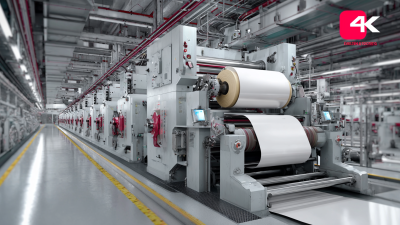
What makes the best Rotary Printing Machine in 2026? The answer depends less on a headline speed than on the work the machine must handle every day. A label converter, a packaging printer, and a textile producer may need very different setups. This guide compares practical factors, including print quality, usable web width, registration accuracy, changeover time, and support after installation. Those details matter on a real shop floor, where a small registration drift can spoil a long run.

Speed matters. So does control.

A useful comparison also looks at substrate range, ink compatibility, drying performance, waste during setup, and the skill level required from operators. Buyers should check specifications against actual production samples, not rely on brochure figures alone. Ask how performance changes with different materials, fine lines, solid colors, and extended runs. A machine that performs well on one stock may need adjustments on another. That is easy to overlook.

There is no universal winner, and a ranking without clear criteria can mislead. Price, automation, maintenance access, and local technical service all affect long-term value. Even an efficient machine can become a poor fit if changeovers take too long or replacement parts are difficult to obtain. This overview explains what to compare, which questions to ask suppliers, and how to match machine features with production goals. Some recommendations may still require a closer look at your own jobs; specifications cannot capture every shop-floor constraint.
What Is the Best Rotary Printing Machine in 2026?

How Rotary Printing Machines Work

What Is the Best Rotary Printing Machine in 2026?
How Rotary Printing Machines Work

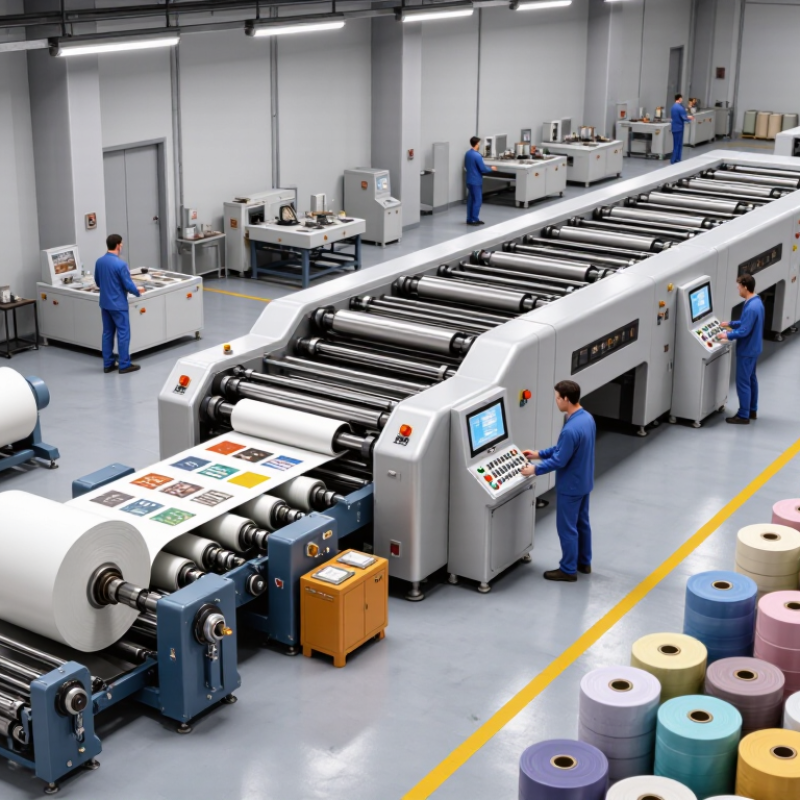
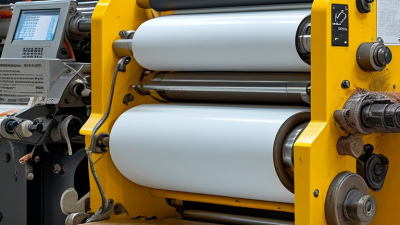
A rotary printing machine prints as a continuous roll of material moves through rotating cylinders. In common flexographic systems, an engraved anilox roller meters ink onto a raised printing plate. The plate transfers the image to paper, film, or another flexible substrate as an impression cylinder applies pressure. Each color usually has its own print station. Drying units between stations help prevent wet ink from smearing. Sensors monitor registration, keeping colors aligned across the moving web. Small shifts can leave a visible halo around text.

The mechanism is fast, but results depend on setup. Operators adjust ink viscosity, roller pressure, web tension, and drying temperature for each material. There is no single setting that suits every job. Smithers’ report The Future of Flexographic Printing to 2028 estimated the global flexographic print market at about $230.5 billion in 2023, reflecting its broad use in packaging and labels. That figure describes the market, not print quality. On a production line, a simple test run can reveal uneven ink coverage or substrate stretch before the full roll is printed. Even experienced teams can miss a minor drift. That deserves attention.
Key Types of Rotary Printing Machines in 2026

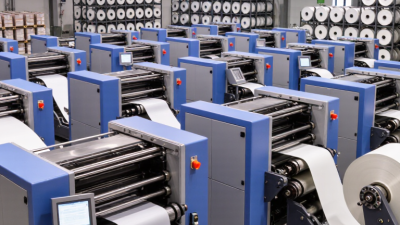
In 2026, the best rotary printing machine depends on the material, run length, and finish required. Flexographic presses suit labels, cartons, and flexible packaging. They transfer ink from a raised plate, and quick-drying inks help keep production moving. Setup still matters. Poor tension control can wrinkle a thin film or shift colors out of alignment.

Rotary gravure presses use engraved cylinders to deliver consistent color across very long runs. They can reproduce fine detail on packaging films and papers, but cylinder preparation adds cost and time.

Rotary offset machines are common for high-volume newspapers and other continuous-paper jobs.

For fabric, wallpaper, and specialty surfaces, rotary screen printing applies thicker ink deposits and can create vivid, tactile results.

Each type has limits.

Web-fed digital inkjet presses are another option for shorter runs, frequent design changes, or personalized output. They avoid printing plates, though ink compatibility, drying capacity, and cost per impression need close review. Ask suppliers for a sample printed on your actual substrate. Check registration, drying, waste during changeovers, and maintenance access—not just top speed. A specification sheet rarely tells the whole story. Even experienced buyers can overlook how much operator skill affects results.

Standards for Comparing Machine Performance

What Is the Best Rotary Printing Machine in 2026?

Comparing machines starts with the job, not the headline speed. Check output under your actual conditions: the same substrate, ink system, and repeat length your production uses. A machine rated for high speed may slow down when registration drifts or operators make frequent adjustments. Ask for a sustained production run, not just a brief demonstration. Watch the printed web closely. Fine text, solid areas, and color-to-color alignment reveal problems that a speed figure cannot.

Measure setup waste and repeatability too. Record how many meters are discarded before colors register, then repeat the test after a changeover. Compare usable output across several shifts, including stops for cleaning and routine maintenance. Also inspect access to rollers, tension controls, and drying components; awkward service points can add minutes every day. There is no perfect scorecard, and I would not treat one impressive test as proof. Conditions vary, and a clean trial can hide ordinary production friction.

Tips: Bring your own material and artwork. Log speed, waste, downtime, and registration results. Keep the test conditions consistent. Then ask operators what slows them down most. Their answer may challenge the spreadsheet.

What Is the Best Rotary Printing Machine in 2026?

A practical scorecard for comparing machine performance

These suggested evaluation weights are a comparison framework, not measured results or universal industry standards. Score each press using documented specifications and production trials, including print consistency, uptime, throughput, setup waste, substrate range, and serviceability. The best machine is the one that performs reliably against the requirements of your jobs.

Leading Machines and Their Strengths

In 2026, the best rotary printing machine depends on the job, not a single headline speed. Flexographic presses suit labels, flexible packaging, and other continuous web work. Their quick plate changes and adaptable ink systems can keep repeat runs moving. Operators still need to match anilox rolls, plates, and substrate carefully. Small setup errors show up fast.

Rotary gravure presses are strong choices for very long runs that need consistent color and smooth tonal detail. Engraved cylinders can deliver repeatable results across large volumes, but their preparation adds cost and time. That trade-off is easy to underestimate.

For paper products and publishing, rotary offset machines offer sharp text and dependable image quality at production speed. Paper tension and registration need close attention, especially when the stock changes.

Digital rotary presses can make short runs and variable artwork more practical, with less plate preparation. They may not match conventional presses on every high-volume job, so compare the full cost per saleable copy.

Ask suppliers for a live trial using your actual material, ink coverage, and finishing steps. Check waste, changeover time, and color consistency—not just rated speed.

Real shop floors are messy. A machine that performs well in a clean demonstration can behave differently after a long shift.

Choosing a Machine for Specific Production Needs

A rotary printing machine is “best” only when its working range fits the job you actually run. Start with the substrate, print width, repeat length, color count, and weekly volume. A narrow label line has different needs from a wide web handling flexible packaging or paper. That difference matters.

For frequent artwork changes, prioritize quick setup, accessible tooling, and dependable registration over peak speed. If runs are long and stable, production speed and drying capacity may carry more weight. Ask operators to review controls, cleaning access, and changeover steps; small delays repeat every shift. Also check whether the machine supports your inks, curing method, and planned finishing equipment. A specification sheet alone cannot confirm that.

Before choosing, test representative material with real artwork and typical operating settings. Record usable output, setup waste, registration consistency, and changeover time. Then compare service access, spare-part lead times, training, and energy use against your budget. A fast machine can still be the wrong fit. Forecasts are imperfect; leave room for product changes, but avoid paying for capacity that may sit idle.