Top Rotary Printing Machines in China for Global Buyers?
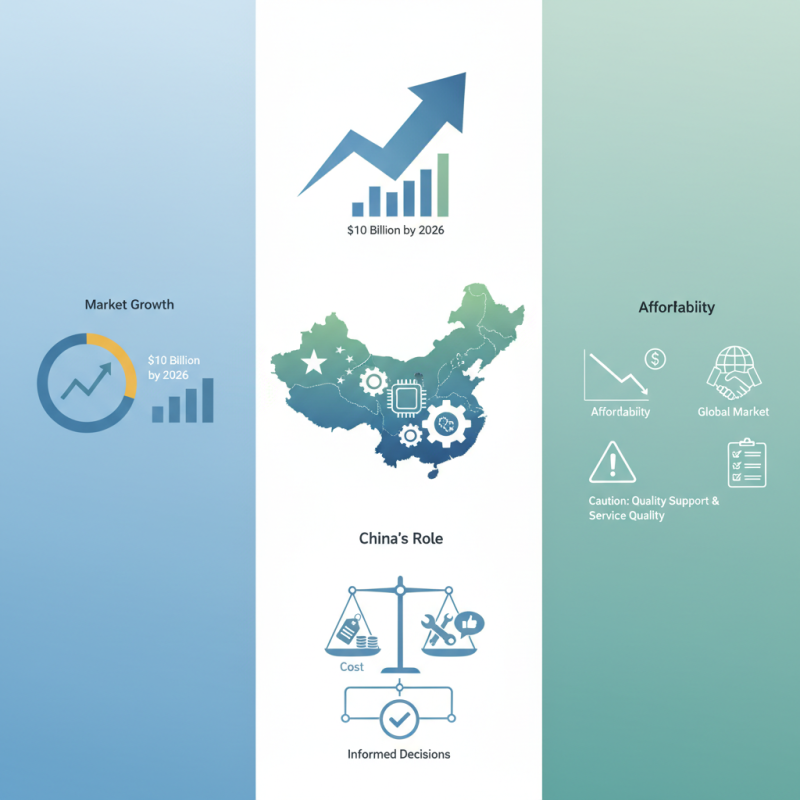
Rotary Printing Machines are crucial in the printing industry. Their efficiency makes them preferred for high-volume production. Recent reports show that the global market for these machines is expected to grow significantly. According to a market analysis by Smithers Pira, the rotary printing sector is projected to reach $10 billion by 2026. This growth reflects the rising demand for quality printing in various applications, including packaging and publishing.
China stands at the forefront of this industry, driving innovation and affordability. Chinese manufacturers provide advanced technology, catering to a global market seeking reliable solutions. However, buyers must exercise caution. Not all manufacturers meet international quality standards. It’s essential to evaluate potential suppliers thoroughly, ensuring consistency and reliability in their offerings.
While Chinese rotary printing machines offer competitive pricing, challenges remain. Issues such as after-sales support and technical expertise can vary widely among suppliers. Therefore, global buyers should consider both cost and service quality when selecting a partner. Assessing these factors will help in making informed decisions that align with production needs.
Overview of Rotary Printing Machines: Features and Applications
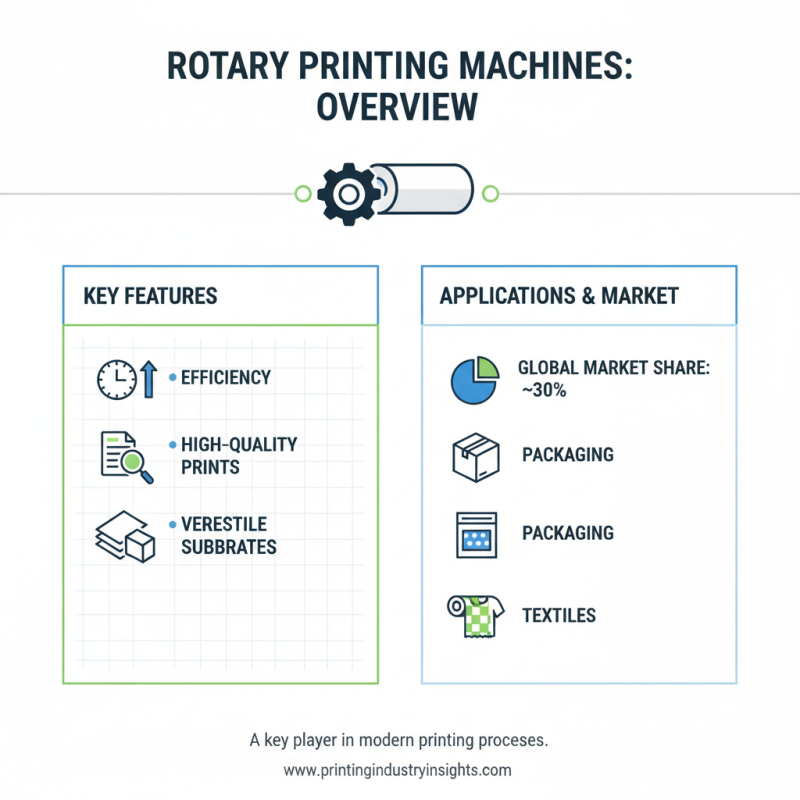
Rotary printing machines play a pivotal role in modern printing processes. Known for their efficiency, these machines excel in producing high-quality prints on various substrates. According to industry reports, rotary printing accounts for approximately 30% of the global printing market, underscoring its importance in sectors like packaging and textiles.
The primary features of rotary printing machines include their speed and versatility. They can operate at speeds exceeding 450 meters per minute. This capability allows for large production runs, essential in meeting growing consumer demands. Additionally, the ability to print on different materials makes them adaptable to various applications, including newspapers and labels. However, the initial investment and maintenance can be considerable, posing challenges for small businesses.
While rotary printing machines are advantageous, they are not without flaws. The setup time for different print jobs can be lengthy. This aspect may lead to downtime, affecting production efficiency. Moreover, smaller runs may not justify the costs involved. Manufacturers must weigh these factors carefully. Embracing advancements in technology could mitigate some of these limitations. Investments in automation and improved printing techniques are vital for staying competitive.
Market Analysis: Demand for Rotary Printing Machines in China
The demand for rotary printing machines in China is witnessing a significant surge. This increase is largely driven by the country’s booming packaging and textiles industries. Manufacturers are increasingly adopting rotary printing technologies for their efficiency and versatility. Businesses seek machines that provide high-quality prints while optimizing production times.
In recent years, advancements in technology have enabled rotary machines to print on various materials. They cater to a wide range of applications, from labels to flexible packaging. However, challenges remain. Some manufacturers still struggle with maintenance and operational efficiency. There is a noticeable gap in skilled technicians who can handle complex machinery.
The market also shows a growing interest in sustainable printing solutions. Buyers are looking for equipment that minimizes waste and energy consumption. Furthermore, local regulations are becoming more stringent. Producers must adapt to these changes. Embracing sustainable practices is not just necessary but also beneficial for long-term growth in the industry.
Leading Manufacturers of Rotary Printing Machines in China
China is a hub for rotary printing machines. Many manufacturers here provide innovative solutions for various printing needs. They cater to a wide range of markets, including textiles, packaging, and many others. This makes China an attractive option for global buyers.
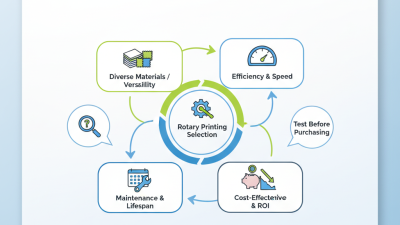
When considering a rotary printing machine, research the manufacturer's reputation. Look for companies with extensive experience in the industry. Review their past projects and client testimonials. This can provide insight into their reliability and expertise.
Tips: Always ask for samples of printed materials. This helps evaluate the machine's performance. Ensure the manufacturer provides comprehensive training and support. Clear communication is key during the purchasing process.
Furthermore, ensure the machine you choose meets global quality standards. Not all machines will maintain the same level of efficiency or durability. Take your time to weigh your options. It's important to avoid rushing into a purchase you might regret later.
Key Innovations in Rotary Printing Technology for Global Markets
The rotary printing technology has made significant strides in recent years. Innovations have focused on improving efficiency and quality. New mechanisms allow for faster production speeds, offering great potential for various industries. With the rise of digitalization, hybrid systems that combine traditional methods with digital features are gaining traction. These systems enable better customization and shorter runs, catering to diverse market demands.
Another key innovation is the advancement in ink formulations. Eco-friendly inks are becoming mainstream, aligning with global sustainability goals. These inks not only reduce environmental impact but also enhance color vibrancy and longevity. Moreover, rapid drying technologies are being integrated into rotary presses. This results in reduced turnaround times, which is essential for meeting fast-paced consumer needs.
However, not all innovations come without challenges. Adapting to new technologies requires thorough training. Many workers may need to upskill. Additionally, the cost of implementing advanced rotary printing machines can be high. Businesses must weigh these investments carefully against potential returns. Industry stakeholders should remain vigilant and open to continuous improvements. Balancing technological advancements with practical execution will be key in this evolving landscape.
Global Supply Chain Dynamics: Export Trends of Chinese Rotary Printers
The global supply chain for rotary printing machines has evolved significantly. In recent years, exports from China have surged. A report from Statista highlighted that the export value of printing machines reached approximately $1.5 billion in 2022, marking a 10% growth from the previous year. This growth reflects the increasing demand for high-quality printing solutions worldwide.
China's rotary printers are appealing due to their precision and efficiency. They cater to various industries, including textiles and packaging. A thorough analysis by MarketWatch revealed that over 30% of printed textiles globally come from Chinese manufacturers. However, challenges still exist. The fluctuating costs of raw materials and international shipping can impact pricing and availability.
Many buyers face difficulties in evaluating supplier reliability. Transparent communication and thorough research are key. Reports suggest that 40% of buyers encounter issues with the manufacturing timelines. It’s crucial for global buyers to adopt a proactive approach. Engaging in direct communication can mitigate risks and enhance the overall supply chain experience.