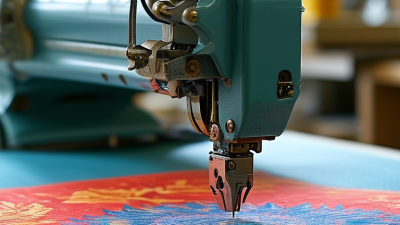
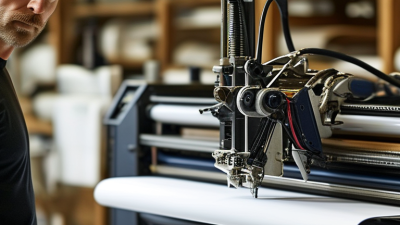
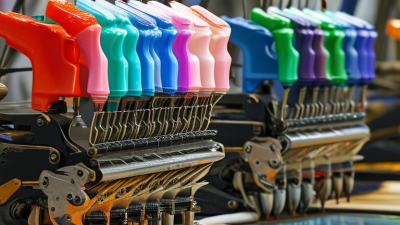
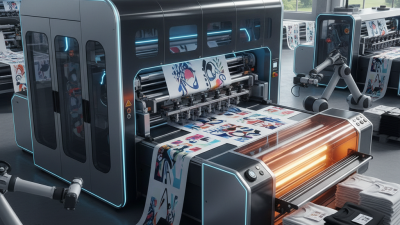
Top 10 Machine For Shirt Printing You Should Consider?
In the competitive world of custom apparel, selecting the right Machine For Shirt Printing can make all the difference. Industry expert John Smith, a leading advocate in textile technology, emphasizes, "The right printing machine transforms ideas into wearable art." As businesses strive to meet growing consumer demands, understanding the options available holds paramount importance.
Shirt printing machines come in various types, each with unique features and capabilities. For example, digital printers offer precision and speed, while screen printing machines provide vibrant colors. Potential buyers must evaluate factors such as printing quality, ease of use, and maintenance requirements. The wrong choice could lead to delays and increased costs.
Moreover, the evolving market trends necessitate adaptability. Investing in a machine that falls short can stifle creativity and limit potential. Hence, researching the latest developments and gathering user feedback can inform better decisions. Embracing innovative technologies in the Machine For Shirt Printing industry may unlock new opportunities for entrepreneurs.
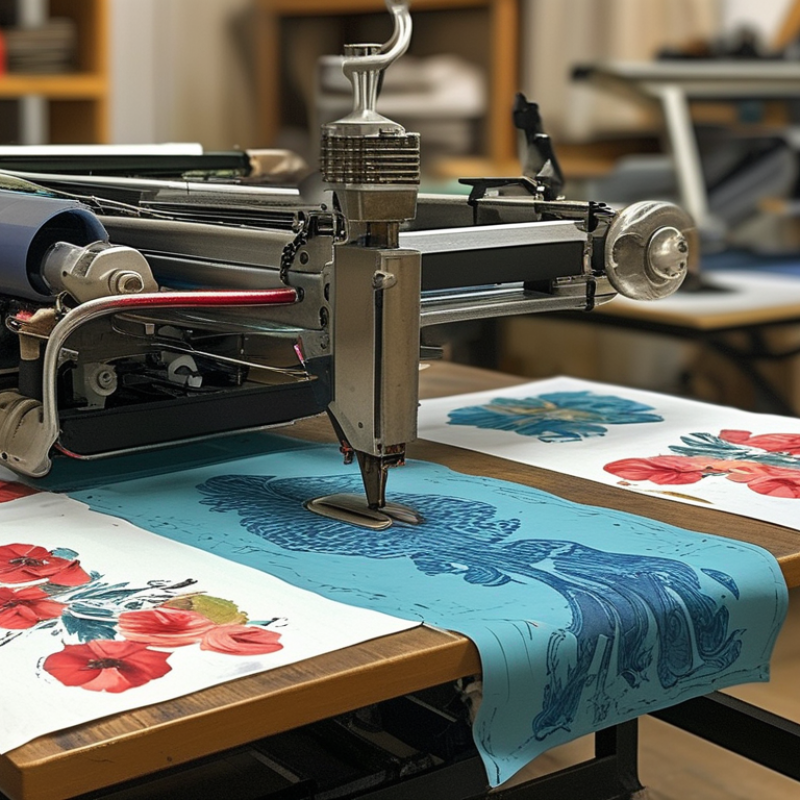
Overview of Shirt Printing Machines
Shirt printing has become a vital component of the fashion industry. According to industry reports, the global custom T-shirt printing market was valued at over USD 3 billion in 2022 and is projected to grow at a CAGR of about 9% through 2030. This growth signals a rising demand for efficient shirt printing machines.
When considering machines, several types stand out. Screen printing machines are well-known for high-volume production. They use a stencil and can produce vibrant colors. Direct-to-Garment (DTG) printers are a newer technology. They allow for detailed designs and shorter runs. Data suggests that DTG printing can reduce production time by up to 40%. Heat press machines offer versatility, allowing users to transfer graphics onto shirts easily.
However, choosing the right machine can be challenging. There’s the issue of initial costs versus long-term benefits. Many beginners underestimate setup and maintenance expenses. Research shows that nearly 30% of small businesses abandon their printing ventures due to hidden costs. It's essential to balance quality with affordability. Properly aligning machine capabilities with business needs can significantly impact profitability.
Key Features to Look for in Shirt Printing Equipment
When selecting shirt printing equipment, several key features are essential. First, consider the printing technology. Options include screen printing, heat transfer, and direct-to-garment. Each method has unique benefits. For instance, screen printing suits large orders, while direct-to-garment is ideal for intricate designs.
Another important aspect is the machine’s efficiency. Look for a model that offers quick setup times and minimal maintenance. A reliable machine should also deliver consistent quality. Examine the resolution and color accuracy as well. These factors directly affect the final product's appearance.
User-friendly interfaces enhance productivity. Equipment that simplifies design adjustments is preferable. Finally, evaluate the support and resources available. Access to tutorials or customer service can make a difference in overcoming challenges. Balancing these features with your specific needs can ensure successful outcomes in shirt printing projects.
Top 10 Machines for Shirt Printing
The following chart illustrates the key features of the top 10 machines for shirt printing based on the number of features they offer. This data can help you choose the right equipment for your printing needs.
Top 10 Recommended Machines for Shirt Printing
When considering machines for shirt printing, functionality is key. You want equipment that meets your specific needs. Look for machines with reliable output and ease of use. Each machine type can offer unique advantages. For example, some might excel in bulk production, while others are great for detailed designs.
Tips: Always read reviews from other users. Feedback can reveal potential issues that specifications may not mention. You can also visit print shops to see machines in action. This real-world observation can provide valuable insights.
Another important aspect is maintenance. Each model requires different levels of upkeep. Some machines are more forgiving than others. A machine requiring frequent repairs can disrupt your workflow and lead to frustration. Keeping a maintenance log can help identify patterns.
Comparison of Machine Types: Screen Printing vs. Digital Printing
When it comes to shirt printing, the choice between screen printing and digital printing is critical. Screen printing is known for its vibrant colors and durability. It works best for bulk orders. According to industry reports, screen printing remains popular, accounting for over 40% of the market. The setup process is lengthy, which can be a drawback for smaller runs. Each color requires a separate screen, increasing time and costs.
On the other hand, digital printing has gained traction recently. It allows for high-quality images and is cost-effective for small orders. Research indicates that digital printing has experienced growth of over 30% in the past five years. This method reduces setup time significantly. However, the inks used can fade quicker than those in screen printing.
Both techniques offer unique advantages. Screen printing excels in quantity and longevity. In contrast, digital printing offers flexibility and detail. Assessing the specific needs of your project is essential. Understanding these nuances helps in making an informed decision.
Maintenance Tips for Prolonging the Life of Printing Machines
Maintaining printing machines is crucial for their longevity. Regular upkeep prevents unnecessary repairs. Here are some valuable tips to extend the lifespan of your shirt printing machine.
Keep the machine clean. Dust and residue can impact performance. Use a soft cloth and dedicated cleaner. Regularly inspect parts for wear and tear. Replace any worn components promptly to avoid bigger issues later.
Lubrication is essential. Proper lubrication keeps moving parts functioning smoothly. Use the right type of oil recommended in the guidelines. Over-lubricating can cause problems as well, so balance is key.
Calibration should not be overlooked. Regularly check the alignment settings. Misalignment leads to poor print quality. Always refer to the manual for specific calibration instructions. Ignoring these details can negatively affect the print outcome. Being attentive to small issues can save time and resources.