Top Tips for Choosing the Best Machine for Shirt Printing?
In the fast-evolving world of apparel printing, selecting the right machine for shirt printing is crucial. Industry expert John Smith, a renowned figure at PrintTech Solutions, emphasizes, “The right machine can elevate your business." His words resonate in a market filled with choices.
When choosing a machine for shirt printing, you must consider various factors. Different printing methods, such as screen printing, direct-to-garment, and heat transfer, each have unique benefits. Every option presents its own set of advantages and drawbacks, making informed decisions essential. Many businesses rush into purchasing without fully understanding their needs. This leads to regret and wasted resources.
It's not just about the initial investment. Maintenance and ink costs can add up. Furthermore, speed and production capacity are vital for meeting demand. Balancing quality and efficiency can be a challenge. Finding the right machine for shirt printing requires careful thought. It’s about aligning the machine's capabilities with your business goals.
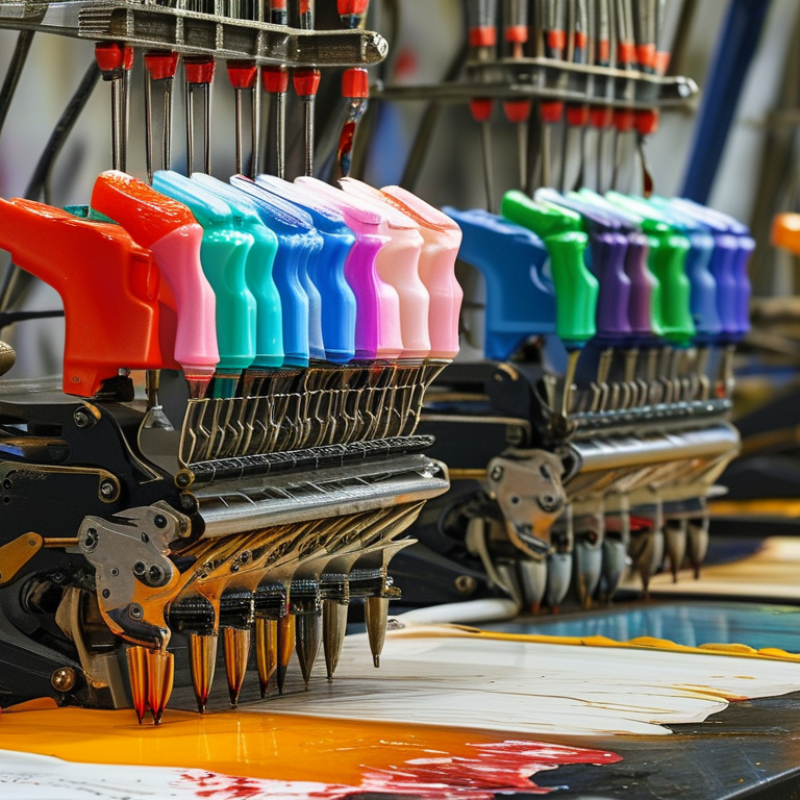
Understanding Different Shirt Printing Techniques: A Comparison of Methods
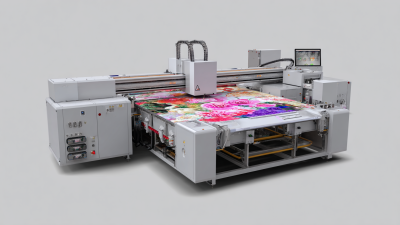
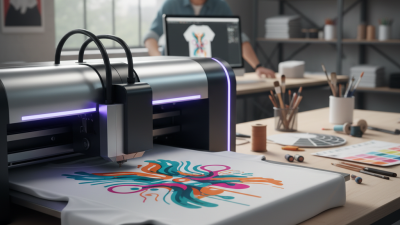
Understanding different shirt printing techniques is crucial for making an informed decision. The main methods include screen printing, direct-to-garment (DTG), dye sublimation, and heat transfer. Each technique has distinct advantages and limitations. According to industry reports, screen printing remains popular for bulk orders due to its cost-effectiveness. However, DTG offers detailed prints suitable for smaller runs but can be slower.
Screen printing excels in durability, lasting many washes. However, setup times can be lengthy. For vivid colors, dye sublimation allows for all-over prints and works seamlessly on polyester fabrics. This method offers high-quality results but may not be the best for cotton shirts. Heat transfer methods are versatile but can feel less breathable.
Selecting the right machine involves evaluating your specific needs. Assess production volume and fabric types. It's valuable to invest in equipment that aligns with your business model. Consider trying out samples before making a purchase.
A critical tip is to analyze your design complexity. If intricate designs are common, opt for a DTG machine. Also, factor in maintenance costs. Some machines may have higher upkeep needs that add to overall expenditures. Balancing quality and cost is key for long-term success.
Evaluating Production Volume: Choosing Between Small or Large Scale Machines
When evaluating production volume for shirt printing, understanding your needs is crucial. A small-scale machine may suit hobbyists or small businesses. These machines tend to be more affordable and easier to operate. They are ideal for limited runs or custom designs. However, they might struggle with larger orders.
On the other hand, large-scale machines cater to high-volume production. If your business anticipates heavy demand, investing in a larger system makes sense. These machines offer efficiency and speed, reducing turnaround times. Yet, higher costs and maintenance can be a consideration. Ensure your facility can accommodate their size and power needs.
It’s essential to assess your workflow. Estimate your monthly or yearly production requirements. This data guides you in choosing the right printer. Keep in mind that adapting to changing demand is vital. Be open to reassessing your machine choice as your business grows.
Cost Analysis: Initial Investment vs. Long-term Operational Expenses
When selecting a machine for shirt printing, a cost analysis is critical.
Initially, you must consider the upfront investment. High-end machines often come with advanced features but require more capital.
Meanwhile, budget options may save you money at first. However, less expensive machines might incur higher maintenance costs over time.
Long-term operational expenses matter too. Regular supplies, like ink and maintenance, can add up quickly. A cost-effective machine might seem appealing, but operational costs could negate those savings.
Reflections on total expenses reveal the true value of your investment.
Here are some tips:
- Focus on durability and reliability. Machines with a solid track record can save you headaches later.
- Look for options offering easy maintenance. This ensures you can keep the machine running smoothly.
- Additionally, assess energy efficiency. Over time, this can impact your bottom line significantly.
Importance of Print Quality: DPI Standards and Material Compatibility
When selecting a machine for shirt printing, understanding print quality is crucial. DPI, or dots per inch, is a key factor in determining clarity. For high-quality prints, aim for machines that offer at least 300 DPI. This standard is widely recognized across the industry and ensures vibrant colors and sharp details. A recent survey revealed that over 70% of consumers prioritize print clarity when choosing custom apparel.
Material compatibility is equally important. Different fabrics absorb ink differently, influencing the final look. For instance, cotton works well with direct-to-garment (DTG) printing, providing excellent vibrancy. Polyester, on the other hand, might require sublimation printing for optimal results. According to industry reports, up to 60% of print failures stem from mismatched ink and fabric types, leading to unsatisfactory finishes.
Ignoring these details can impact your business. A machine might have high DPI but only perform well on specific materials. Research shows that businesses prioritizing quality control have a 50% higher customer retention rate. It’s essential to test machines with your chosen fabrics to see how they perform in real-world scenarios. By assessing both DPI standards and material compatibility, you can make a more informed decision for your shirt printing needs.
Top Tips for Choosing the Best Machine for Shirt Printing - Importance of Print Quality: DPI Standards and Material Compatibility
| Machine Type |
Print Quality (DPI) |
Material Compatibility |
Cost Range |
Best For |
| Direct to Garment (DTG) |
600 - 1200 DPI |
Cotton, Polyester Blends |
$15,000 - $30,000 |
High-quality custom prints |
| Screen Printing |
300 - 700 DPI |
Cotton, Nylon, Polyester |
$5,000 - $10,000 |
High volume orders |
| Heat Transfer |
300 - 600 DPI |
Cotton, Polyester, Blends |
$2,000 - $5,000 |
Small runs, DIY printing |
| Sublimation Printing |
600 - 1440 DPI |
Polyester Only |
$3,000 - $10,000 |
Vibrant full-color designs |
Maintenance and Support: Evaluating Manufacturer Service Options and Reliability
When selecting a machine for shirt printing, evaluating manufacturer service options is essential. Maintenance and support can significantly affect your production quality and operational efficiency. A reliable manufacturer should offer comprehensive support services. This includes not only timely repairs but also readily accessible customer service. Regular maintenance ensures that machines run smoothly, avoiding costly downtime.
Consider the reputation of the manufacturer regarding service reliability. Look for reviews that highlight their responsiveness and support quality. It allows you to anticipate potential challenges and gauge how quickly issues can be resolved. However, not all manufacturers live up to their promises. Some may provide excellent machines but lack in after-sales support.
In addition to support, spare parts availability is vital. A manufacturer should have a consistent supply of parts. Delays in obtaining parts can halt production, leading to losses. Evaluate their communication channels as well. Are they easy to reach? Is their technical support knowledgeable? These details may seem minor but can significantly impact your operations. Take time to reflect on all these aspects before making a decision.
Maintenance and Support Evaluation for Shirt Printing Machines