Best Shirt Printer Machine for Your Business Needs?
When considering the best Shirt Printer Machine for your business, expert insights can be invaluable. According to John Smith, a leading figure in textile printing, "A quality shirt printer machine can redefine your production capabilities." His expertise in the field emphasizes the importance of selecting the right printer for your specific needs.
The Shirt Printer Machine market has evolved significantly. There are many options, from direct-to-garment printers to heat transfer machines. Each type serves different purposes. Evaluating these options can feel overwhelming. Business owners need to identify their specific requirements and capabilities. High-speed models might appeal to larger operations. Smaller businesses may prioritize versatility and cost.
Your choice will shape your success in this competitive industry. Affordable options may seem tempting, but cheap machines can lead to frustration. Prioritizing durability and performance is essential. Weighing pros and cons is crucial. Ultimately, a well-researched decision will support your business growth in the long run.
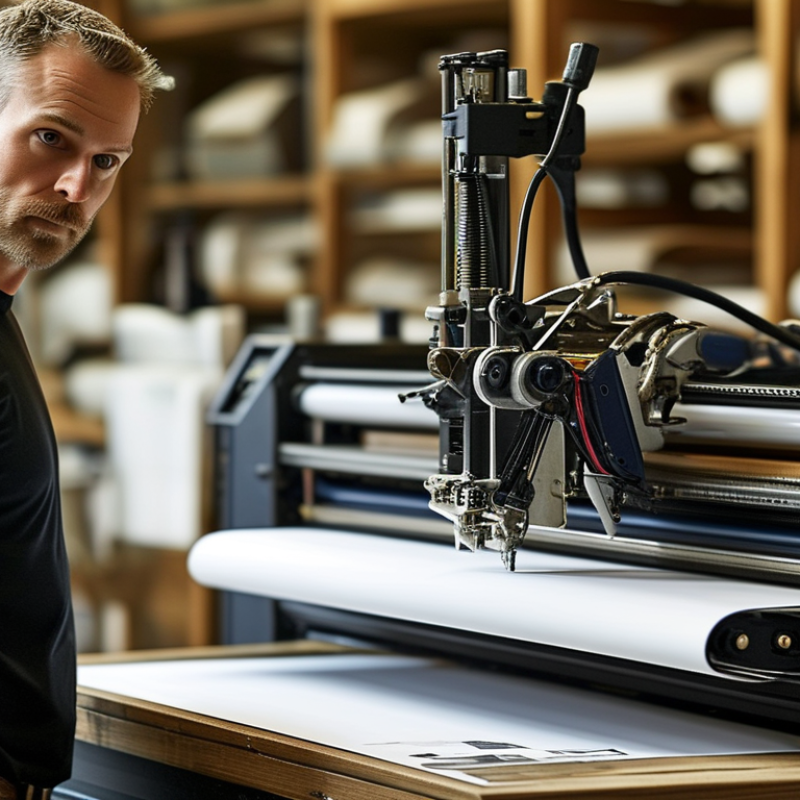
What to Consider When Choosing a Shirt Printer Machine
When choosing a shirt printer machine, several factors come into play. Understanding the technology is essential.
Direct-to-Garment (DTG) printers offer high-quality prints. However, they require specific inks and may limit fabric options.
Screen printing machines are great for bulk orders, but setup can be time-consuming. Consider your business scale when selecting between these options.
Tips: Think about your printing volume. A machine that works for low demand may not suffice in busy seasons.
Assess your target market. Will you print for events, local businesses, or personal use?
Each has different needs, affecting your choice.
Another crucial aspect is maintenance. Some machines require regular servicing to function optimally.
This can lead to downtime and lost revenue if not managed. Are you prepared for that commitment?
Evaluate your technical skills. Some printers have complicated setups that may overwhelm new users. A balance between ease of use and function is necessary to avoid frustration.
Types of Shirt Printing Technologies: Screen, DTG, and Sublimation
When considering shirt printing technologies, three main methods stand out: Screen Printing, Direct-to-Garment (DTG), and Dye Sublimation. Each method has distinct characteristics and benefits that can cater to various business needs.
Screen printing is renowned for its efficiency and cost-effectiveness with large orders. It excels in producing vibrant colors, especially on dark fabrics. However, it's less suitable for intricate designs or smaller runs. According to a recent industry report, screen printing accounts for approximately 40% of all apparel decoration. This method thrives in settings that prioritize bulk production.
Conversely, Direct-to-Garment (DTG) printing offers versatility for small batches and personalized items. It can capture detailed images, making it ideal for complex designs. A study indicated that DTG has a rapid growth rate, valued at around $1.1 billion. Nevertheless, it faces challenges like slower production speeds and higher costs per unit, highlighting the need for efficient workflow management.
Dye sublimation is distinct in its ability to create vivid, durable prints. This method is perfect for synthetic fabrics and produces all-over designs. However, it requires a specific material type, limiting its application. Data shows that businesses using dye sublimation see a 20% increase in customer satisfaction due to the quality of the prints. Reflecting on these options, businesses must consider their production volume, design complexity, and fabric type to choose the most suitable shirt printing technology.
Cost Analysis: Initial Investment vs. Long-term Profitability
When considering a shirt printer machine for your business, cost analysis is essential. The initial investment can range from $2,000 to $30,000, depending on the machine’s capabilities. A report by Smithers shows that the digital textile printing market is expected to grow by 23% annually from 2020 to 2025. This data underlines the potential profitability of investing in a quality printing machine.
Long-term profitability is impacted by various factors, including operational costs and market demand. The average print cost for shirts is $5 to $10. If you sell shirts at $20 each, your margin could be substantial. However, the break-even point depends on factors like production speed and quality. Not every machine delivers consistent results. Some may require frequent maintenance, increasing costs. Market research highlights that businesses that continually innovate see a 20% increase in profits over time.
Investing in a shirt printer involves trade-offs. Calculate initial expenses against potential earnings carefully. A lower upfront cost may seem appealing, but it can lead to higher operational expenses. Data suggests that businesses focusing on high-quality prints see stronger customer loyalty. Ultimately, align your machine choice with long-term business goals to ensure sustainable growth.
Industry Insights: Market Trends in Shirt Printing Equipment
The shirt printing industry is evolving rapidly. Recent market trends indicate a shift towards digital printing technology. Businesses seek more efficient and versatile equipment. Speed and quality remain vital for customer satisfaction. Many companies opt for machines that offer customizability. This allows for unique designs and quick turnarounds.
Sustainability is becoming increasingly important. Clients prefer eco-friendly inks and materials. This not only helps the environment but can also attract a wider customer base. However, adapting to these trends can be challenging. Some printers struggle with the higher costs of sustainable supplies. Finding a balance between quality and affordability is essential.
The demand for short runs and personalized products is growing. Many smaller businesses need machines that can handle volumes of varying sizes. This flexibility is crucial in today's market. However, not all equipment can meet these demands effectively. Businesses must research and understand their needs carefully. Investing in the right technology can enhance production capabilities dramatically.
Best Shirt Printer Machine for Your Business Needs
| Model |
Print Technology |
Max Print Size (inches) |
Printing Speed (pcs/hr) |
Price Range ($) |
| Model A |
DTG |
14 x 16 |
30 |
1500 - 2000 |
| Model B |
Screen |
16 x 20 |
50 |
2000 - 2500 |
| Model C |
Sublimation |
12 x 15 |
40 |
1000 - 1500 |
| Model D |
Heat Transfer |
18 x 24 |
25 |
800 - 1200 |
Maintenance and Support: Ensuring Longevity of Your Printer Machine
When investing in a shirt printer machine, maintenance and support are crucial. Regular upkeep ensures the longevity of your printer. Dust and ink residue can accumulate quickly, impacting print quality. Daily cleaning can prevent these issues. Additionally, proper calibration helps maintain accuracy in printing.
Having access to technical support is equally important. Sometimes, even with the best care, machines may show signs of wear. Knowing you can reach out for assistance brings peace of mind. Training staff properly can also mitigate errors. Create a schedule for regular maintenance checks, ideally every few months.
Consider common pitfalls in maintenance. Many forget to regularly check ink levels. This can lead to poor print results. Document any issues that arise for a pattern analysis later. Learning from these missteps can enhance efficiency. Regular review of maintenance practices keeps your operations running smoothly.
Maintenance and Support Costs for Shirt Printer Machines
This bar chart represents the estimated annual costs associated with the maintenance and support of shirt printer machines. It includes different aspects such as annual maintenance, technical support, parts replacement, training, and software updates. Understanding these costs can help businesses plan effectively for the longevity of their printing equipment.