How to Choose a Clothing Printing Machine in 2026?
Choosing a Clothing Printing Machine in 2026 starts with the work you need it to do. A small studio printing ten cotton shirts daily has different needs from a production floor handling mixed fabrics and repeat orders. The details matter: print size, fabric type, setup time, curing, and how often the machine needs cleaning.
The market is growing, but growth alone does not make every purchase a good one. Grand View Research estimated the global digital textile printing market at USD 2.7 billion in 2022 and forecast a 12.7% compound annual growth rate from 2023 to 2030. This is market context, not a promise of sales or savings for an individual shop. Check the report’s scope and definitions before comparing its figures with equipment quotations.
Some trade-offs are easy to miss. A lower purchase price may come with slower output, more hands-on maintenance, or costs for ink and pretreatment. A fast machine may not suit delicate fabrics or short, varied runs. Ask suppliers to demonstrate your own artwork on your own garments, then inspect fine lines, color consistency, wash durability, and curing results. Keep the test realistic. A showroom sample can look perfect; your workflow may not. This guide will help you compare print technologies, production capacity, running costs, and after-sales support, while flagging questions worth asking before you commit.
Define Your Production Needs and Clothing Materials
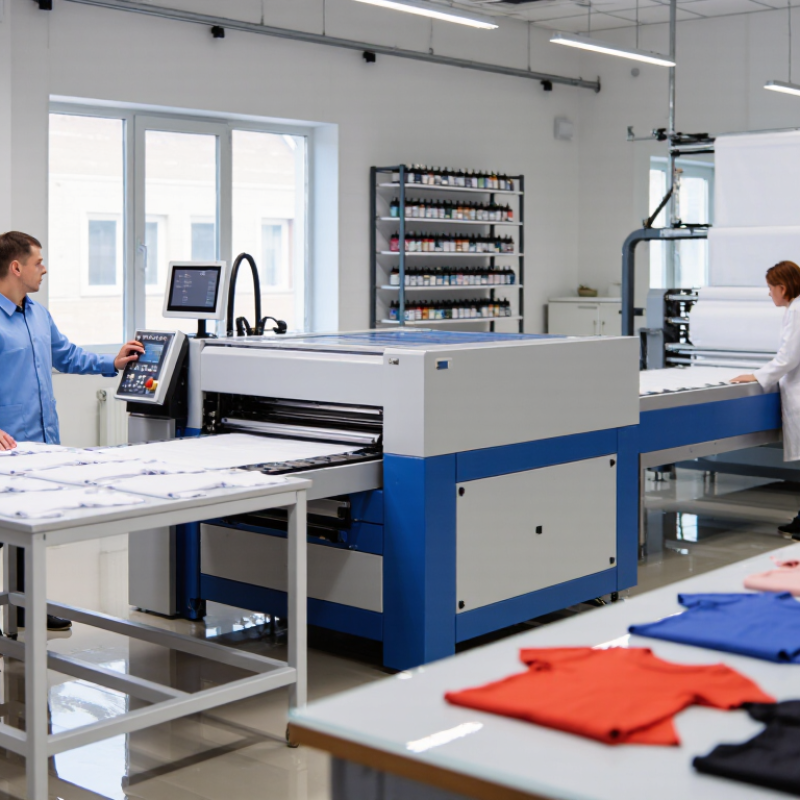
Before comparing machines, define the work they must handle. List garments per shift, typical order size, print dimensions, and whether jobs repeat or change daily. A machine suited to 20 large, consistent prints may be a poor fit for 200 small, mixed designs. Measure actual garments, too: seams, pockets, and collars can limit usable print space.
Material choice matters just as much. Textile Exchange’s Materials Market Report 2024 estimates global fiber production reached 124 million tonnes in 2023, with polyester accounting for about 57 percent. That scale reflects a varied market, not one universal printing surface. Cotton jersey, polyester sportswear, and cotton-poly blends can require different inks, pretreatment, and curing conditions. Check the fabric labels and test the exact garment, not just a similar swatch. A short run can expose problems like ink bleed or a stiff hand feel. Small details matter. Record wash results and color consistency before choosing equipment. A clean specification sheet can still mislead; real garments may behave differently, and that is worth allowing for in your budget.
How to Choose a Clothing Printing Machine in 2026? — Define Your Production Needs and Clothing Materials
Fiber composition affects ink absorption, pretreatment, and print-method suitability. These approximate standard moisture-regain values help compare common clothing materials; they are not a direct measure of print quality. Check the garment’s fiber blend and choose a machine and ink system tested for that material and your expected production volume.
Compare the Main Clothing Printing Technologies
Choosing a clothing printing machine in 2026 starts with the fabric and order size, not the machine’s headline speed.
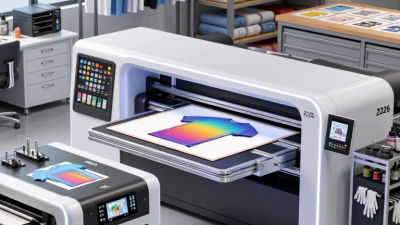
Screen printing suits repeat designs and larger batches; each color needs a screen, setup time, and space to dry or cure. That setup can feel wasteful for a dozen mixed designs. Direct-to-garment printing places ink onto prepared fabric, often giving cotton shirts fine detail and soft gradients. It works best when pretreatment, humidity, and daily maintenance are controlled. Small errors show.
Direct-to-film printing creates a design on transfer film before heat pressing it onto apparel. It handles more fabric types than direct-to-garment, but the transfer may feel heavier, especially across a large solid area. Sublimation is different: heat turns dye into gas that bonds with polyester fibers, producing vivid prints without a surface layer. It is a poor match for cotton and usually needs light-colored garments. There is no universal winner. Compare machines by usable print area, color consistency, curing needs, consumables, and service access; then test your own garments. A small swatch is revealing. Record wash results and hand feel, too.
Calculate Total Costs, Maintenance, and Operating Needs
A clothing printing machine’s purchase price is only the starting point. In 2026, estimate the cost per finished garment, not just the equipment invoice. Include ink or transfer materials, pretreatment, power, cleaning supplies, replacement parts, and operator time. Divide those costs across realistic monthly output. A machine rated for high volume may sit idle if orders arrive unevenly. Cash flow matters, too.
Check daily operating needs before choosing a machine. Measure available floor space and confirm power, ventilation, and workflow requirements using the supplier’s technical documentation. Ask how often printheads, belts, platens, or other wear parts need inspection or replacement. Compare maintenance time, service access, training, and likely downtime—not only service fees. A stopped machine can delay orders and add labor costs. Keep an allowance for surprises; estimates are never perfect.
Tips: Request a sample print on your actual fabric, and record setup and cleanup time. Track consumable use during a trial run. If you cannot test it, be cautious.
How to Choose a Clothing Printing Machine in 2026? - Calculate Total Costs, Maintenance, and Operating Needs
| Printing Method |
Typical Equipment Purchase Range |
Estimated Annual Maintenance |
Estimated Consumables per Print |
Best-Fit Materials and Production |
Operating and Maintenance Needs |
Illustrative 3-Year Cost |
| Direct-to-garment (DTG) |
US$10,000–US$25,000 |
US$800–US$2,500 |
US$1.50–US$3.50 |
Detailed, full-color designs on cotton and cotton-rich garments; suited to short runs and one-off orders. |
Requires regular printhead cleaning, ink circulation, and careful control of humidity. Dark garments usually need pretreatment and a heat-curing step. |
About US$34,900–US$85,000 |
| Direct-to-film (DTF) |
US$5,000–US$15,000 |
US$500–US$1,800 |
US$0.60–US$1.80 |
Transfers for cotton, polyester, and many blended fabrics; useful for varied designs and small-to-medium batches. |
Needs film, powder application, and a curing step. White ink circulation and routine cleaning are important; powder handling requires suitable ventilation and housekeeping. |
About US$15,500–US$47,400 |
| Screen printing |
US$5,000–US$20,000 |
US$1,000–US$4,000 |
US$0.20–US$1.00 |
Large runs with repeat designs; commonly used on cotton and other fabrics compatible with the selected inks. |
Each color generally needs a screen and setup. Requires screen preparation, washout, registration, drying or curing, and space for screens and chemicals. Setup labor can be substantial for short runs. |
About US$11,000–US$47,000 |
| Dye sublimation |
US$1,500–US$6,000 |
US$200–US$800 |
US$0.20–US$0.80 |
Best suited to white or light-colored polyester garments and polyester-coated materials; works well for full-color designs. |
Requires transfer paper, a compatible printer, and a heat press. Fabric and press temperature must be controlled; ordinary cotton is not a suitable direct sublimation substrate. |
About US$5,100–US$20,400 |
| How the 3-year estimate is calculated: equipment purchase + three years of estimated maintenance + consumables for 15,000 prints (5,000 prints per year). Low and high totals combine the corresponding low and high estimates for each input. Figures are indicative planning ranges in US dollars, not supplier quotes. Consumables are per print and exclude the blank garment, labor, packaging, shipping, tax, financing, facility costs, and downtime. Screen-printing setup labor and other workflow-specific costs can materially increase actual costs. |
| Before purchasing: compare machines using your expected monthly volume, garment mix, print size, number of colors, available space, ventilation, power requirements, and operator skill. Ask for a sample print on your own garments and confirm local service availability, parts lead times, warranty coverage, and maintenance requirements. |
Check Software Compatibility, Support, and Upgrade Options
Choosing a clothing printing machine in 2026 means checking more than print speed and price. Start with its software. Confirm it supports your computer’s operating system, preferred design files, and the RIP software your team already uses. Ask whether color profiles, job queues, and artwork tools are included or sold separately. A machine can look fast in a brochure, then stall when a file needs manual conversion. Test it live. Load an actual design and print a small run on the garments you sell. Watch setup steps, color consistency, and how clearly errors appear.
Support matters when a printer stops during a busy week. Ask about response times, remote troubleshooting, operator training, and access to replacement parts. Get the details in writing; a vague promise can be hard to rely on. Also check the update policy. Will software updates remain compatible with your computer, and can firmware be updated without a service visit? Ask whether components such as platens or printheads can be upgraded independently. Even a careful test cannot predict every late-night problem. I would compare support terms with the workflow, not just the purchase price, and leave room for one thing I may have overlooked. Do not assume every upgrade is necessary; match each option to your garments, order volume, and available workspace.