Leave Your Message
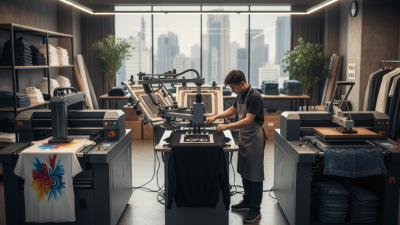
Choosing the best Clothing Printing Machine in 2026 depends on what you print, how often, and on which fabrics. A small studio making custom cotton shirts has different needs from a busy shop producing daily orders. The right choice should fit your workflow, not just look impressive in a product video. That matters.
This guide compares common options, including direct-to-garment, direct-to-film, and sublimation systems. Each method has practical limits. Fabric compatibility, print size, color quality, production speed, and upkeep can change the true cost of ownership. Look beyond the purchase price. Ask about consumables, cleaning routines, warranty terms, and access to technical support. A vivid sample shirt is useful, but it cannot show how a machine handles a full production week. I would not treat one perfect print as proof of consistent results; setup time and reprints are easy to overlook. It is a small but important caveat. The sections ahead explain which features matter for different businesses and how to compare claims with real operating needs. Where specifications vary by model or material, verify them with the manufacturer and test suitable garments before buying. No machine wins for every shop, and that is worth remembering.
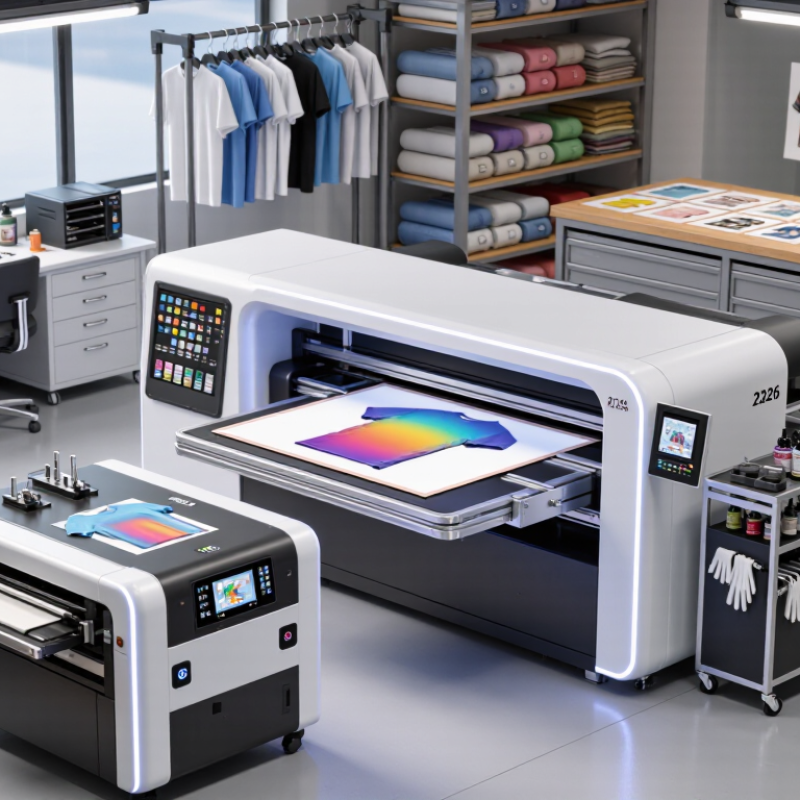
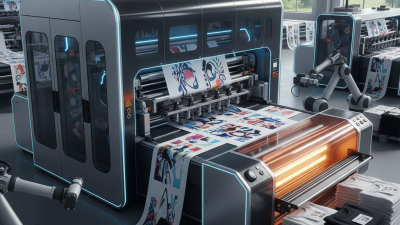
A clothing printing machine applies a design to fabric using ink, heat, pressure, or a combination of these. The method depends on the machine and garment. Direct-to-garment systems spray ink onto fabric, much like a printer laying down fine colored dots. The shirt is held flat, and some fabrics need pretreatment so the ink bonds evenly. Small details matter.
Other machines use different steps. Direct-to-film systems print a design onto transfer film, add adhesive powder, and use heat to press it onto clothing. Screen-printing machines push ink through a prepared mesh screen with a squeegee. Each approach suits different jobs: fine artwork, repeat orders, or bold designs. Fabric type, order size, and finish all affect the choice.
In practice, printing starts with a digital design and a correctly prepared garment or transfer. The operator checks placement, aligns the print area, and sets suitable ink, pressure, and temperature. After printing, the design usually needs curing or heat pressing, following the ink or transfer instructions. A quick test on spare fabric can reveal dull colors, smudging, or poor adhesion before a full batch begins. It is easy to assume one setting works for every shirt; it often does not. Small changes in fabric weave or moisture can alter the result.
A clothing printing machine applies designs to garments or to transfer material that is later pressed onto garments. There is no single best option for every job: the right choice depends on fabric, order size, artwork, setup needs, and production workflow.
| Printing Method | How It Works | Suitable Fabrics | Best Suited For | Advantages | Key Considerations |
|---|---|---|---|---|---|
| Direct-to-garment (DTG) | Inkjet printheads deposit textile ink directly onto a garment held flat on a platen. Pretreatment may be needed, particularly for printing white ink on dark garments. | Most commonly cotton and cotton-rich garments; compatibility with blends depends on the equipment, ink, and pretreatment process. | Detailed, full-color designs and short runs, especially when each garment has a different design. | Prints directly on the garment; handles fine detail and multiple colors without screen setup. | Garments generally need careful loading and curing. Fabric, pretreatment, and maintenance affect print quality and wash performance. |
| Direct-to-film (DTF) | An inkjet printer prints a design onto a film. Adhesive powder is applied and cured; a heat press then transfers the design from the film to the garment. | Can be used on many common garment fabrics, including cotton, polyester, and blends, when the transfer materials and pressing settings are suitable. | Custom transfers, mixed-fabric orders, and designs that will be applied to different garments. | Transfers can be prepared separately from garment printing and stored for later application. | Requires film, adhesive powder, curing, and a heat press. Correct temperature, pressure, and time depend on the materials. |
| Screen printing | Ink is pushed through open areas of a prepared mesh screen onto the fabric. Separate screens are typically used for different colors. | Commonly used on cotton, polyester, and blends with inks and processes selected for the fabric. | Repeated designs and larger production runs where setup can be shared across many garments. | Can produce durable prints and is efficient for repeat production once screens are prepared. | Screen preparation and color changes add setup work, making very small or frequently changing jobs less efficient. |
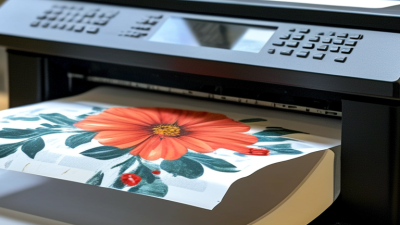
| Dye-sublimation printing | Heat turns printed dye into gas, which bonds with polymer fibers. For apparel, the design is commonly printed on transfer paper and applied with heat. | Best suited to white or light-colored polyester and polyester-rich fabric; it is not generally suitable for ordinary cotton garments. | Polyester sportswear, all-over designs, and garments made from compatible polyester fabric. | Dye becomes part of the polymer fibers, so the print does not sit as a separate thick layer on the surface. | Fabric composition and color are important: standard sublimation is not a general-purpose method for dark or cotton garments. |
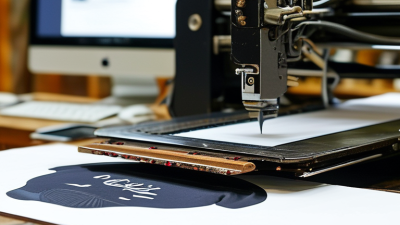
| Heat-transfer vinyl (HTV) | A cutting plotter cuts shapes from colored heat-transfer vinyl. Excess material is removed, then the design is applied to the garment with a heat press. | Many fabrics can be decorated if the vinyl type and application settings are compatible with the garment. | Names, numbers, simple graphics, and small batches using solid-color shapes. | Useful for straightforward designs and personalization without printing ink onto the garment. | Each color may require separate cut pieces and careful alignment. Fine, highly detailed or photographic artwork is less practical. |
| Practical selection guide | Match the method to the garment, design, quantity, and available finishing equipment rather than choosing by machine type alone. | Confirm fabric composition, garment color, and any care or heat limitations before production. | DTG for detailed short runs; DTF for versatile transfers; screen printing for repeated runs; sublimation for compatible polyester; HTV for simple cut designs. | A sample print or transfer helps verify color, placement, feel, and durability before a full order. | Compare the complete workflow, including setup, consumables, curing or pressing, maintenance, and operator time. |