Best T Shirt Design Machine for Your Business Needs?
In the world of custom apparel, the right T Shirt Design Machine can make all the difference for your business. As John Stanton, a leading expert in textile printing, once stated, “Investing in the right equipment can maximize creativity and efficiency.” This advice resonates deeply in a competitive market where quality and personalization are key.
Selecting a T Shirt Design Machine involves considering various factors. The ideal choice should align with your business goals, production volume, and the intricacies of design. It’s essential to evaluate both the technology and the support your business will need to thrive. A top-tier machine can streamline operations and enhance product offerings.
However, the decision is not without challenges. Many entrepreneurs encounter difficulties assessing their unique requirements. The variety of machines available can be overwhelming. It's crucial to balance features with budget constraints and future growth potential. Even experienced businesses may find themselves second-guessing their choices.
Understanding the Importance of T-Shirt Design Machines for Businesses
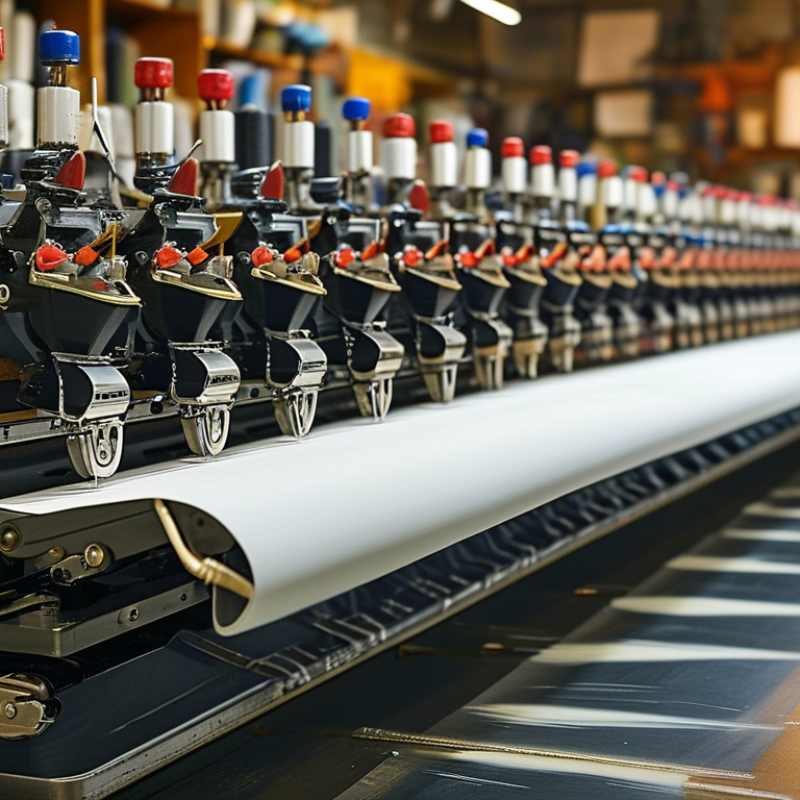
T-shirt design machines are vital for businesses aiming to stand out. They enable quick production of custom designs, catering to unique customer preferences. A high-quality design machine can enhance creativity, offering a range of printing options. Entrepreneurs can experiment with colors and styles, pushing the boundaries of traditional apparel.
However, investing in these machines requires careful consideration. Not all machines are created equal. Some may lack durability, leading to frequent repairs and downtime. It’s essential to assess your specific needs and potential growth before purchasing. The right machine should not only meet current demands but also adapt to future trends.
Time management plays a crucial role as well. Businesses may struggle to keep up with orders during peak times. Efficient machines can streamline production, but training staff effectively is equally important. Relying solely on technology can be risky; human touch remains essential in the design process. Balancing both can foster innovation and creativity in designs.
Best T Shirt Design Machine for Your Business Needs?
| Machine Type |
Print Technology |
Max Print Size |
Production Speed (Shirts/hr) |
Price Range |
| Digital T-Shirt Printer |
Direct to Garment (DTG) |
16" x 20" |
30 |
$10,000 - $25,000 |
| Heat Press Machine |
Heat Transfer |
15" x 15" |
50 |
$200 - $3,000 |
| Screen Printing Press |
Screen Printing |
Variable |
100 |
$1,000 - $20,000 |
| Vinyl Cutter |
Vinyl Cutting |
Variable |
20 |
$300 - $3,000 |
Key Features to Look for in a T-Shirt Design Machine
When choosing a T-shirt design machine, consider its printing technology. Different methods yield varying quality. Some machines use direct-to-garment (DTG) technology, offering vibrant prints. Others might use heat transfer or screen printing. Each has its advantages and drawbacks. Ensure you understand these differences to fit your business needs.
Another crucial feature is ease of use. A user-friendly interface saves time and reduces frustration. Look for machines with intuitive controls and clear instructions. Your team may not have extensive training. Therefore, simplicity can enhance productivity. Also, consider the machine’s speed. You need a model that meets your production demands efficiently. Analyze the output it guarantees before making a decision.
Additionally, durability matters significantly. A well-built machine has longevity. However, wear and tear can affect performance. Regular maintenance is often required. Pay attention to warranty options, as they indicate reliability. Ensure you understand the support available from the manufacturer. This knowledge can save you from potential downtime. Always assess these features to make an informed choice.
Types of T-Shirt Design Machines: Comparative Overview
When exploring types of T-shirt design machines, it's essential to consider your specific business needs. There are several categories to choose from, such as screen printing, heat transfer, and direct-to-garment (DTG) printers. Each type has its unique applications and benefits, which can influence your decision.
Screen printing is a classic choice for bulk orders. This method allows vibrant colors and long-lasting prints. However, it can be less efficient for small runs. In contrast, heat transfer machines excel at producing custom designs quickly. They are versatile, making them suitable for different materials, though they may not always provide the same durability as screen printing.
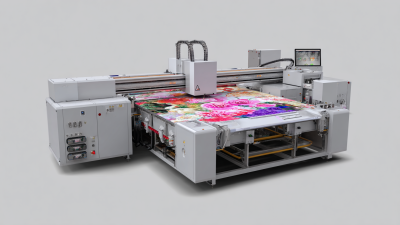
DTG printers represent the latest technology. They offer high-quality prints with intricate designs. Yet, these machines can be costly and require regular maintenance. Balancing cost and print quality is a common challenge. Choosing the right machine largely depends on your production volume and design complexity. Each option presents opportunities and challenges, requiring thoughtful reflection on your business strategy.
Best T-Shirt Design Machines: Comparative Overview
How to Choose the Right T-Shirt Design Machine for Your Needs
Choosing the right T-shirt design machine is crucial for your business's success. Start by assessing your needs. Are you focusing on quantity or quality? Higher volume requires machines that are fast and efficient. Conversely, if quality is your priority, invest in machines that offer detailed printing options.
Consider the types of designs you plan to create. Some machines excel at screen printing, while others are better for direct-to-garment (DTG) printing. Each method has its pros and cons. Screen printing suits large batches but has setup costs. DTG works well for intricate designs on smaller runs but can be slower.
Evaluate the ease of use too. A machine that is user-friendly can save time and training costs. However, even the best machines can have quirks. Some might require frequent maintenance or adjustments to produce optimal results. Be prepared for a learning curve. Research user reviews and seek advice from other businesses. Reflect on what challenges you might face and how you can overcome them.
Budget Considerations for Purchasing a T-Shirt Design Machine
When considering a t-shirt design machine, budget is crucial. Many businesses, especially startups, often underestimate initial costs. A quality machine can range from $1,000 to over $10,000, depending on features. Reports indicate that businesses typically allocate about 10% of their total budget for equipment purchases. This percentage can provide a framework for planning.
The market for custom apparel is growing. Data from recent industry reports show that it has expanded by around 20% annually. As demand increases, investing in a design machine becomes more appealing. However, the initial cost can challenge smaller businesses. An entry-level machine may seem attractive at first but could limit design capabilities. Some more advanced machines, while pricier, often provide better long-term value.
Think about ongoing costs as well. Beyond the initial purchase, supplies such as ink, transfer paper, and maintenance fees add up. Studies suggest that maintenance can take a hefty 10-15% of annual operating costs. Therefore, it’s important to factor these into your budget. A machine might be affordable, but hidden costs could impact profitability. Consider both the initial and future expenses before making a decision.