Why Choose a Silk Screen Printing Machine?
A Silk Screen Printing Machine can turn a simple design into a durable, repeatable print. Its strength is control: ink passes through selected mesh areas onto fabric, paper, or other suitable materials. For a small studio, that may mean crisp lettering on a short run of shirts. In a busy shop, it can mean dependable output across a larger batch. The result depends on the whole process, not the machine alone.
Screen-printing educator Andy MacDougall is known for practical guidance on craft and production. A concise, non-verbatim summary of that approach is: “Control the details, and the print becomes more consistent.” It is a useful reminder, not a guarantee. Mesh choice, screen tension, ink viscosity, pressure, and curing all affect the finished image. A well-built machine can help keep registration steady, but it cannot fix poor setup or rushed testing.
There are trade-offs. Manual presses may suit flexible, lower-volume work, while automatic equipment can improve throughput when jobs repeat. Space, maintenance, operator skill, and cleanup matter too. The first print may look slightly off. That is normal—and worth investigating before running a full batch. Choosing the right Silk Screen Printing Machine starts with matching its capacity and features to real production needs, then checking samples under actual shop conditions. A machine is a tool. The process still needs attention.
What Is a Silk Screen Printing Machine?
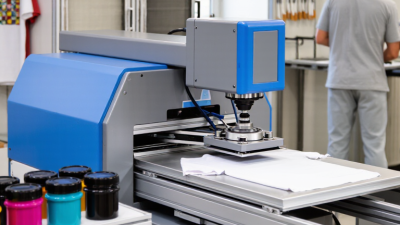
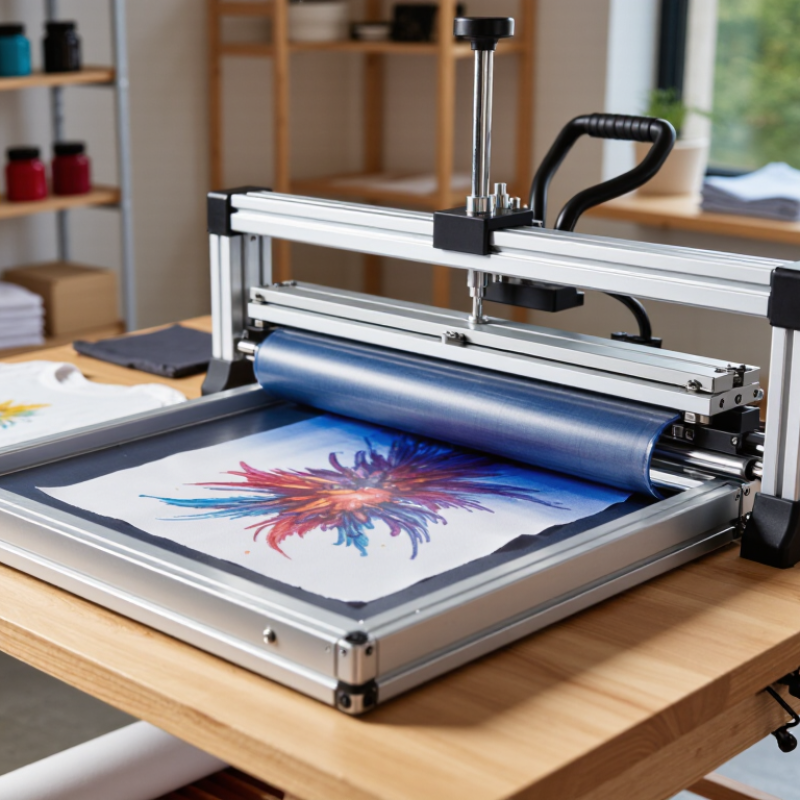
A silk screen printing machine transfers ink through a fine mesh screen onto a surface. A stencil blocks selected areas, while open mesh lets ink pass through. The squeegee presses across the screen, depositing a controlled layer. Simple in principle. In practice, pressure, ink thickness, mesh count, and screen distance all affect the result.
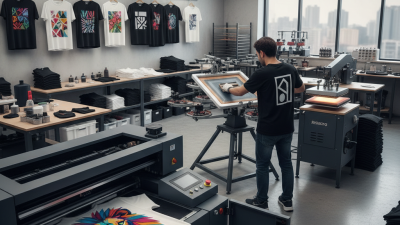
A typical setup includes a frame, mesh, stencil, squeegee, and printing bed or conveyor. Operators align the substrate beneath the screen, lower the mesh, then pull the squeegee across it. The printed item may need drying or curing before handling. Machines can be manual, semi-automatic, or automatic, and are used for materials such as fabric, paper, glass, and metal. Grand View Research’s 2023 screen-printing market report estimated the global market at about $4.8 billion. That figure covers the broader market, not machine sales alone, so it should not be read as a measure of equipment demand.
Screen printing suits designs that need opaque, durable ink or repeated placement across many items. But setup takes care: a slightly misaligned frame can shift the image, and excess pressure may blur fine details. The process is not effortless. Test prints matter, and results can vary with the material and ink. A machine improves repeatability, though it cannot replace sound preparation or skilled adjustment.
How Does the Screen Printing Process Work?
Why Choose a Silk Screen Printing Machine?
How Does the Screen Printing Process Work?
Screen printing begins with artwork prepared as a separate stencil for each color. A mesh screen is coated with light-sensitive emulsion, then exposed to the artwork under controlled light. After washing, the image areas open while the rest of the mesh stays blocked. Small details can disappear if exposure or washing is poorly controlled.
The screen is fixed above the material, such as a cotton shirt or paper sheet. Ink is placed along one edge, and a squeegee pushes it through the open mesh. Steady pressure and a consistent angle help produce even coverage. That matters. Before a full run, print a sample and check for blurred edges, gaps, or ink buildup.
Each color usually needs its own screen and careful alignment. Let the ink dry or cure according to its specifications; the right method depends on the ink and material. A rushed setup can waste supplies, and even experienced operators may need to adjust pressure or registration. Not every time. Keeping notes on those adjustments makes repeat jobs easier, though the first test print may still surprise you.
What Materials and Products Can It Print?
A silk screen printing machine can print on more than fabric. Common choices include cotton shirts, canvas bags, paper, and cardboard. With the right ink and setup, it can also decorate glass, ceramic, wood, metal, and selected plastics. Products range from posters and packaging to control panels and promotional items. It depends. Flat surfaces suit flatbed presses, while bottles and other curved objects need suitable fixtures or cylindrical equipment.
The material alone does not determine the result. Mesh count, ink type, surface preparation, and curing temperature all matter. A cotton shirt may absorb ink differently from a polyester blend; untreated plastic can cause poor adhesion. I would test a sample before running a full batch. Small differences in coating or surface texture can spoil an otherwise clean print. That step can feel slow, but skipping it is often slower later.
Industry demand gives this versatility context: Grand View Research’s Screen Printing Market Size, Share & Trends Analysis Report estimated the global market at USD 3.3 billion in 2022 and projected a 4.7% compound annual growth rate from 2023 to 2030. The figure describes the market, not every machine’s capabilities. Choose equipment around the actual product, substrate, and production volume—not the promise that one press handles everything.
What Advantages Does Screen Printing Offer?
Screen printing offers strong, opaque color on materials such as cotton, paper, and some plastics. A properly prepared screen can produce consistent results across a large batch. The ink sits visibly on the surface, which helps bold shapes and simple lettering stand out. Multiple colors are possible, though each usually needs its own screen and careful alignment. That adds time.
The method is useful when a design needs durable coverage or a tactile finish. Operators can adjust ink, mesh, and pressure to suit the material, but these settings take testing. A little too much pressure may blur fine edges; too little can leave patchy areas. Screen printing is not automatically the best choice for every job. Small runs or highly detailed images may require more setup than expected. I’d check a sample before approving the full batch.
Tips: Keep screens clean and check alignment before printing. Test ink on the actual material, not just a similar swatch. Note the settings that work. Small differences can matter.
Why Choose a Silk Screen Printing Machine?
Screen printing accommodates different ink-deposit and detail requirements by using meshes with different thread counts.
Bars show the midpoint of representative mesh-count ranges, measured in threads per inch. Lower mesh counts generally allow heavier ink deposits, while higher counts can support finer detail. The ideal mesh depends on the ink, design, and substrate.
How Do You Choose the Right Machine?
Why Choose a Silk Screen Printing Machine?
How Do You Choose the Right Machine?
Start with the job, not the machine’s advertised speed. List the materials you print, the largest image area, daily order volume, and colors per design. A small shop printing short runs on shirts may value fast setup and easy registration. A production line handling repeat orders may need automatic indexing and consistent cycle times. Grand View Research estimated the global screen-printing market at USD 4.6 billion in 2023, with projected growth through 2030. That market estimate signals demand, but it cannot tell you which press suits your floor.
Run a test. Ask suppliers to print your actual material and artwork, then check registration, ink coverage, and cleanup time. Compare usable output per hour, not just maximum cycles per hour. Also measure the space needed for the press, screens, drying equipment, and operator access. A machine that fits on paper can feel cramped once carts and supplies arrive. I would leave some room for doubt in any capacity forecast; job mix changes.
Match the level of automation to staff skills and maintenance support. Manual presses can suit flexible, lower-volume work, while automatic systems may reduce repetitive handling at higher volumes. Check whether the machine handles your frame sizes and screen tension consistently. Request operating and maintenance details, then estimate total costs, including installation, training, consumables, and downtime. Choose based on a real production trial, not a polished brochure.