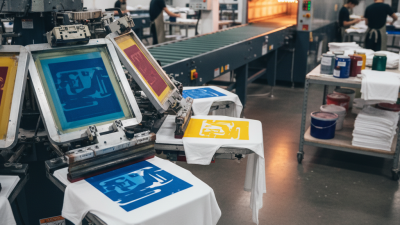
China Best Silk Screen Printer for Your Business Needs?
In the realm of printing, the silk screen printer stands as a leading choice for many businesses. According to recent industry reports, the global silk screen printing market is projected to reach over $6 billion by 2025. This growth reflects the increasing demand for customized products across various sectors, including apparel and promotional items. Businesses seeking quality and versatility often turn to silk screen printing for vibrant colors and durability.
Selecting the right silk screen printer can significantly impact production efficiency and product quality. Many companies face challenges in aligning with their business needs while ensuring reliable service and technology. A robust silk screen printer not only enhances the aesthetic appeal but also meets high-volume demands effectively. However, navigating the myriad options available can be overwhelming.
It's essential to understand the nuances of choosing a silk screen printer that aligns with your unique business objectives. Not all printers are created equal; some may fall short of expectations. Research and consumer reviews highlight the importance of evaluating both the technology and the service quality provided by manufacturers. By making informed choices, businesses can thrive in a competitive market.
China's Leading Silk Screen Printing Techniques for Businesses
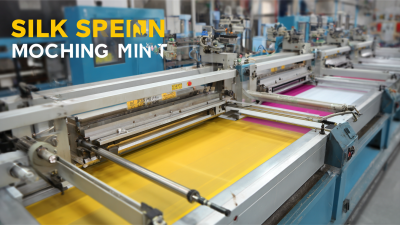
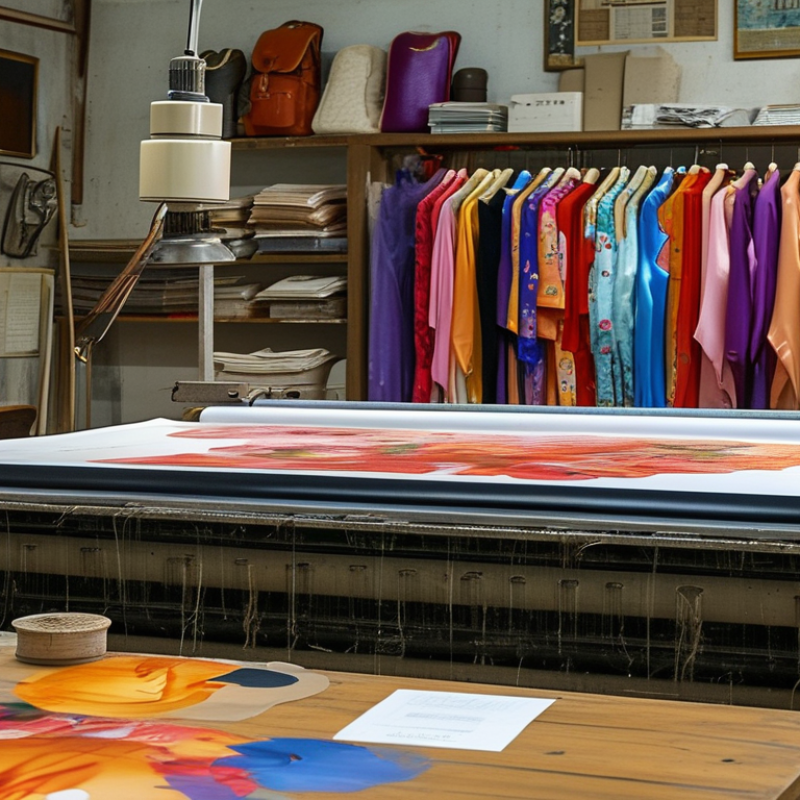
Silk screen printing is a popular choice for businesses in China. It combines old techniques with modern technology. This method ensures vibrant colors and precise designs. Businesses benefit from its ability to print on various materials. It's suitable for promotional items, apparel, and packaging. Companies often prefer this method for its durability and reliability.
When exploring silk screen printing, consider the following tips. First, ensure you have clear and high-resolution designs. This makes the printing process smoother. Second, test different ink types. Water-based or plastisol inks have different finishes and durability. Lastly, collaborate with experienced printers. Their insights can enhance the overall quality.
However, not all services meet expectations. Sometimes, color accuracy may falter. Other times, the print quality can decline with large orders. Businesses should monitor these aspects closely. Collect feedback regularly. Use this information to improve future projects. Embracing silk screen printing can yield great results, but constant evaluation is key.
Key Factors Influencing Quality in Silk Screen Printing Services
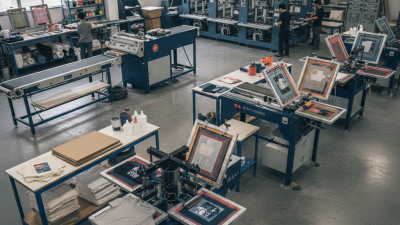
Silk screen printing is an art that requires both skill and precision. When choosing a printing service, there are key factors to consider. The quality of materials used plays a significant role. High-grade inks and sturdy screens contribute to vibrant colors and longevity. Inferior materials could lead to fading or peeling. Always ask about the sources of these materials.
Experience matters in this field. A service with a solid track record is likely more reliable. Look for companies that showcase their past projects. Review their portfolio and customer feedback. This feedback often reveals strengths and weaknesses. Do not overlook small details, such as registration accuracy and color consistency. These details can make or break a print job.
Communication is another critical aspect. A good printer listens to your needs and offers valuable advice. They should clarify expectations before starting the job. Poor communication can lead to misunderstandings and unsatisfactory outcomes. Trust your instincts when interacting with potential printers; it can save you time and money.
Key Factors Influencing Quality in Silk Screen Printing Services
Comparative Analysis: Cost vs. Quality in Chinese Silk Screen Printing
When it comes to silk screen printing in China, businesses face a crucial decision: balancing cost and quality. The allure of lower prices often tempts companies. However, this can lead to compromises on quality. Cheaper options may use inferior inks or unreliable techniques. This results in prints that fade easily or lack vibrancy. Therefore, choosing a printer solely based on cost can be misleading.
Quality silk screen printing requires expertise and experience. Professional printers invest in advanced technology and skilled labor. These elements ensure that the final product meets high standards. While it may seem expensive, the longevity and effectiveness of quality prints justify the cost. Companies must weigh short-term savings against long-term benefits.
Reflecting on past experiences can offer valuable insights. Some businesses may have chosen budget printers only to face customer dissatisfaction later. The cycle of reprinting and returns adds hidden costs. Thus, a thoughtful approach to selecting a printer can lead to more reliable outcomes. Balancing cost with quality is not just a financial decision; it shapes the overall brand image.
The Role of Technology in Enhancing Silk Screen Printing Efficiency
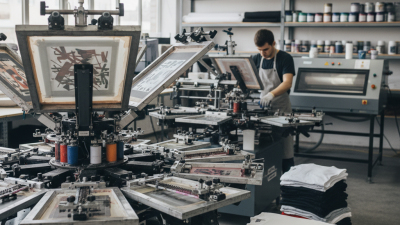
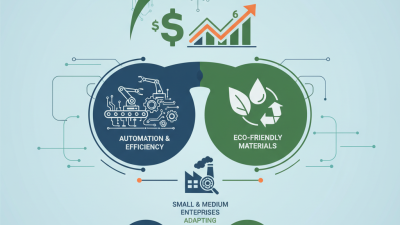
In the world of silk screen printing, technology plays a vital role in boosting efficiency. High-quality printers now feature automated processes. These machines reduce manual labor and minimize mistakes. The ability to print multiple colors with precision is a game-changer. It helps businesses meet tight deadlines without compromising quality.
Software advancements also enhance design capabilities. Designers can use specialized programs to create intricate patterns. This leads to more creative options for products. However, not all organizations take full advantage of these tools. Some still rely on outdated techniques, which may slow down production. It’s important to stay updated with emerging technologies.
Regular maintenance of printing equipment is essential. Well-maintained machines operate at peak efficiency, producing consistent results. Ignoring maintenance can lead to breakdowns and costly delays. Training staff on using new technologies is equally crucial. Many companies fall short in this area, limiting their potential. Embracing technology is not just an option; it’s a necessity for growth in silk screen printing.
China Best Silk Screen Printer for Your Business Needs? - The Role of Technology in Enhancing Silk Screen Printing Efficiency
| Feature |
Description |
Efficiency Enhancement (%) |
Technology Used |
| Automatic Registration |
Improves alignment and consistency |
30% |
CNC Systems |
| Eco-Friendly Inks |
Non-toxic, sustainable options available |
15% |
Digital Formulation |
| Multi-Color Printing |
Allows for complex designs with multiple colors |
25% |
Advanced Color Management Software |
| Faster Drying Techniques |
Expedited drying reduces production time |
20% |
Infrared Dryers |
| Quality Control Systems |
Ensures high standards across batches |
18% |
Automated Inspection Tools |
Market Trends: Demand for Silk Screen Printing in Global Industries
The silk screen printing industry is witnessing a notable surge in demand across various global sectors. Recent reports indicate that the market is projected to grow at a compound annual growth rate (CAGR) of 4.2% from 2021 to 2028. This growth is driven by the increasing use of silk screen printing in textiles, electronics, and advertising.
Textile printing remains a significant contributor. In 2020, the textile segment accounted for approximately 38% of the total silk screen printing market. Consumers crave custom designs and vibrant colors, fostering this demand. Additionally, electronics printing is becoming essential as devices require intricate designs. Companies increasingly appreciate the versatility and quality of silk screen printing, yet some struggle with the scalability of production.
While the market trends are encouraging, challenges persist. Many businesses face difficulties with sustainable practices. Eco-friendly inks are gaining popularity, but not all companies have adopted them. Quality consistency also remains a concern. As brands strive for unique designs, they often overlook the importance of uniformity. Addressing these issues is key for long-term success in a competitive landscape.