Top Silk Screen Printing Machines for Your Business Needs?
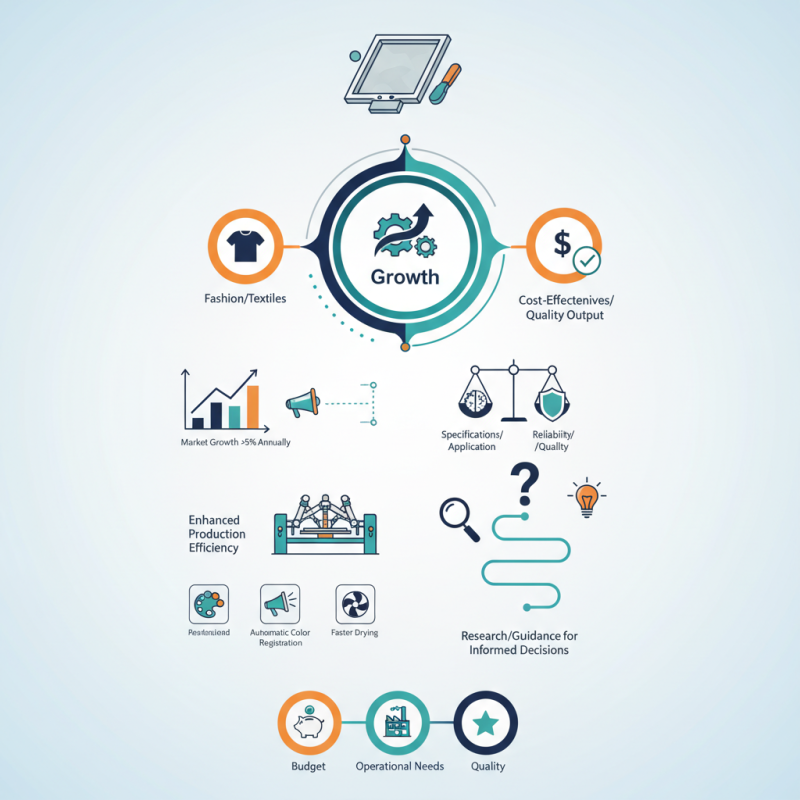
In the dynamic world of printing, selecting the right equipment is crucial. A Silk Screen Printing Machine stands out as a versatile option for businesses. According to recent industry reports, the global silk screen printing market is projected to grow by over 5% annually. This growth is driven by increasing demand in fashion, textiles, and promotional products. Many small to medium-sized businesses are opting for silk screen printing due to its cost-effectiveness and high-quality output.
Investing in a quality silk screen printing machine can greatly enhance production efficiency. For instance, modern machines offer advanced features like automatic color registration and faster drying times. These features not only save time but also reduce skill barriers for new operators. However, navigating the vast array of options can be overwhelming. It's essential to consider the machine's specifications and the intended application.
The reliability of a silk screen printing machine is paramount for sustaining business operations. Poor-quality machines can lead to inconsistencies in print quality. This, in turn, affects customer satisfaction and brand reputation. Therefore, thorough research and expert guidance are vital for making informed decisions. Balancing budget, operational needs, and quality will ultimately steer businesses toward the right silk screen printing solution.
Essential Features to Look for in Silk Screen Printing Machines
When choosing silk screen printing machines, several essential features can greatly impact your business operations. The first is the machine's capability to handle diverse materials. This flexibility allows you to print on various surfaces—textiles, metals, and plastics. According to a recent industry report, nearly 45% of businesses cite material versatility as critical for maximizing production efficiency.
Another vital feature is the machine's speed and output. A high-performance model can produce thousands of prints daily. This capability is crucial for fulfilling large orders and meeting tight deadlines. Statistics reveal that businesses leveraging faster machines increase their production rate by up to 30%. However, monitoring quality during high-speed runs is essential. A balance must be found.
**Tip:** Regular maintenance can prolong your machine's lifespan. Schedule routine check-ups to avoid unexpected downtime.
Consider the software compatibility of the printing machine. Having advanced design software can enhance precision in artwork reproduction. Many operators prioritize user-friendly interfaces to streamline training and operation. Yet, some machines may have a steep learning curve, leading to operational inefficiencies.
**Tip:** Invest in training sessions for your staff. Proper training mitigates errors during production.
Top Silk Screen Printing Machines Features Comparison
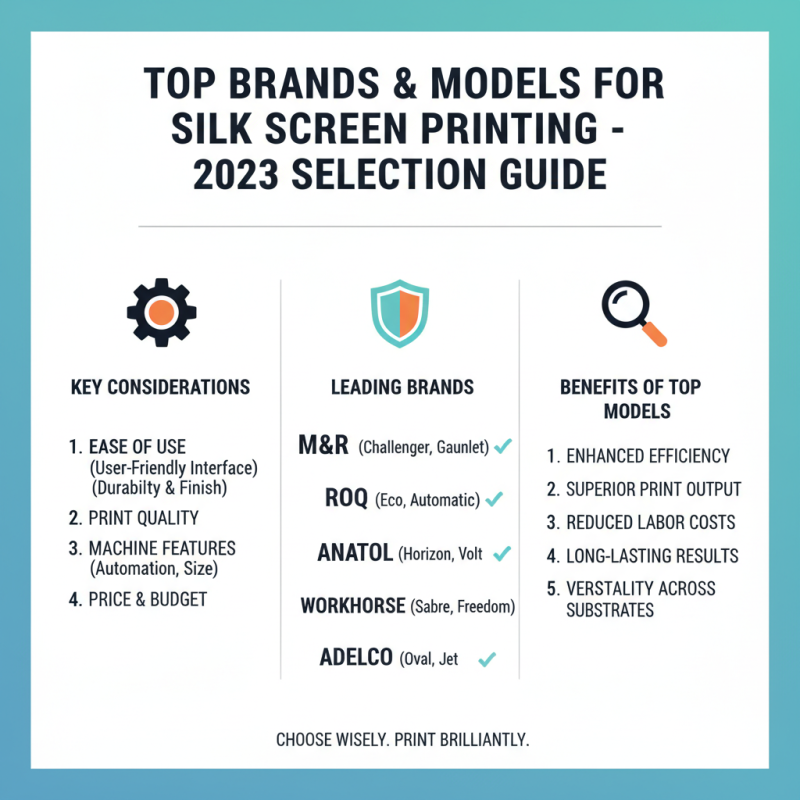
Top Brands and Models for Silk Screen Printing in 2023
When selecting silk screen printing machines, several brands stand out in 2023. These machines vary in features and price, making it essential to identify your specific needs. Look for user-friendly interfaces that streamline the printing process. Additionally, consider the quality of print produced. A vibrant, long-lasting finish can make a significant difference for your business.
Durability is another critical aspect. High-quality machines should withstand regular use without frequent breakdowns. Research and compare models based on customer reviews and expert recommendations. Take note of common issues users face. Sometimes, even reputable machines come with quirks that require adjustments for optimal performance. Stay informed on how to troubleshoot these problems.
Many businesses might overlook maintenance. Regular upkeep can prolong the lifespan of any silk screen printing machine. Ensure you have the right accessories and materials. This choice influences not just the quality but also the speed of your projects. Adaptability is vital, as market demands can shift quickly. Being open to experimenting with different models can lead to improvements in efficiency and output quality.
Comparison of Automatic vs. Manual Silk Screen Printing Machines
When considering automatic versus manual silk screen printing machines, it's crucial to weigh their respective advantages.
Automatic machines often increase efficiency by up to 300% compared to manual options.
They are ideal for large volume productions, streamlining processes. However, they require a significant initial investment and ongoing maintenance.
Manual machines, on the other hand, offer a more hands-on approach.
They allow for greater creativity and flexibility in designs. This is particularly valuable for small businesses or custom projects.
According to industry reports, around 35% of screen printers still prefer manual methods due to their lower cost and ease of use.
Tip: For businesses just starting out, consider beginning with a manual setup before investing in an automatic machine.
It allows for skill development and easier adaptation to client needs.
While automatic machines can handle repetitive tasks well, they may struggle with intricate designs. Balancing speed and precision is essential.
Each method has its pitfalls. The key is to assess your specific business requirements and production goals to choose wisely.
Maintenance Tips for Maximizing Your Silk Screen Printing Equipment
Silk screen printing equipment requires consistent maintenance to ensure optimal performance. Regular cleaning is essential to remove ink residue and prevent clogging. Industry reports indicate that improper maintenance can reduce machinery lifespan by up to 30%. Understanding and implementing a proper cleaning schedule can significantly enhance productivity.
Monitor your equipment for signs of wear and tear. Regular inspections can help identify issues before they escalate. For example, checking squeegees and screens for damage can prevent costly mistakes during production runs. It's been noted that 25% of production delays are due to equipment failure, underscoring the need for proactive upkeep.
Proper storage of screens and inks is equally important. Environmental factors can affect the quality of your printing materials. Keep inks at stable temperatures to avoid separation or thickening. Reports suggest that maintaining ideal storage conditions can extend the shelf life of inks by up to 50%. Regular training on equipment use and maintenance can also ensure staff are equipped with the necessary skills. Keeping these practices in mind can lead to more efficient operations and a sustainable business model.
Top Silk Screen Printing Machines for Your Business Needs - Maintenance Tips for Maximizing Your Silk Screen Printing Equipment
| Machine Model |
Printing Area (inches) |
Max Print Speed (pieces/hour) |
Recommended Maintenance Frequency |
Key Features |
| Model A |
24 x 36 |
600 |
Weekly |
Automatic squeegee adjustment |
| Model B |
20 x 28 |
500 |
Bi-weekly |
Touchscreen interface |
| Model C |
22 x 30 |
450 |
Monthly |
Built-in vacuum table |
| Model D |
18 x 24 |
450 |
Monthly |
Compact design |
| Model E |
26 x 38 |
700 |
Weekly |
High-speed indexing |
Cost Considerations and Budgeting for Your Printing Needs
When considering silk screen printing machines, cost is a crucial factor. The initial investment involves not only the machine itself but also supplies like inks and screens. An affordable machine may seem appealing, yet it could compromise print quality. Balancing price and performance is essential to avoid costly reprints.
Budgeting for printing needs requires a clear understanding of your business goals. Calculate your expected print volume and frequency. This helps in assessing which machine fits your production needs. Cheaper models often have hidden costs, such as maintenance and limited functionality. Investing in a more reliable machine can significantly enhance output quality and efficiency over time.
Navigating these cost considerations can be challenging. It's important to evaluate long-term benefits versus short-term savings. An expensive machine may save money in the long run through durability and output consistency. Reflecting on your budget and operational goals will lead to smarter decisions regarding silk screen printing equipment.