How to Choose the Best Rotary Printing Machine for Your Business?
Choosing the right Rotary Printing Machine can significantly impact your business's success. According to industry expert John Doe, "Selecting the appropriate printing machine is crucial for efficiency and quality." This statement highlights the importance of making an informed choice.
When assessing Rotary Printing Machines, consider your specific needs. Think about the volume of production and the type of materials you will print on. Each machine has unique features that serve different purposes. Engaging with knowledgeable suppliers can help you understand these options better.
However, the decision can be overwhelming. Many businesses rush and may pick a machine that eventually does not fit their needs. Reflecting on your requirements can help avoid costly mistakes. Balancing quality, speed, and budget is essential in this process.
Understanding Rotary Printing: Key Principles and Benefits
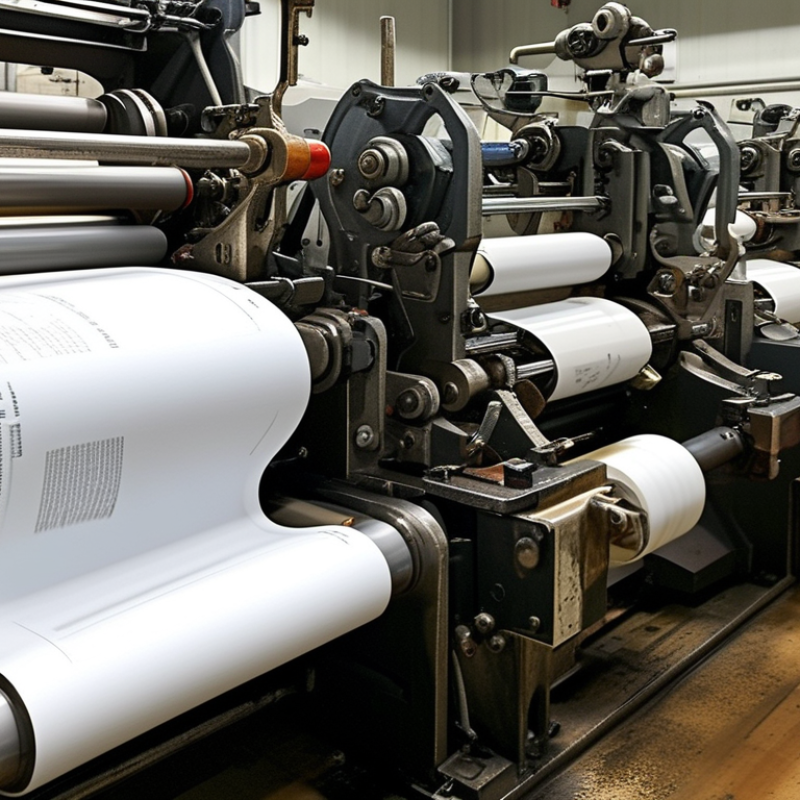
Rotary printing is a powerful method used in various industries. It involves printing continuously on a web of material. This process can create vibrant images and text with impressive speed. The key principle is to use cylindrical screens that transfer ink efficiently. This method minimizes ink waste and maximizes color precision.
One significant benefit is the ability to produce large volumes quickly. Businesses can meet high demand without compromising quality. Maintaining consistency in output is another advantage. However, the initial cost of setting up a rotary printing machine can be daunting. Operators may find the technology complex. Training is essential to fully utilize the machine’s capabilities, which can be a barrier for some businesses.
Then, there’s the issue of maintenance and repairs. While these machines are generally reliable, they do require regular upkeep. Neglecting this can lead to costly downtime. It's crucial to weigh these factors when choosing a rotary printing machine. A balance between price, technology, and support services is necessary for long-term success.
How to Choose the Best Rotary Printing Machine for Your Business?
| Feature |
Description |
Importance |
Considerations |
| Print Speed |
The rate at which the machine can print, typically measured in meters per minute. |
High |
Higher speeds can improve production efficiency but may affect print quality. |
| Print Quality |
The clarity and precision of the printed output, affecting overall product appeal. |
Critical |
Evaluate sample prints to assess quality before purchase. |
| Versatility |
The machine's ability to print on various substrates and formats. |
Moderate |
Consider the types of materials you will print on in the future. |
| Setup and Maintenance |
Ease of installation and the complexity of routine maintenance tasks. |
High |
Choose machines that minimize downtime and simplify maintenance. |
| Technical Support |
Availability and quality of customer service and technical assistance. |
Critical |
Research the manufacturer's support options and responsiveness. |
| Cost |
The overall price of the machine and potential operational costs. |
High |
Consider long-term ROI over initial purchase price. |
Identifying Your Business Needs for Rotary Printing Solutions
When considering a rotary printing machine, it's vital to identify your business needs accurately. For instance, a report from Smithers Pira indicated that the global printing industry is projected to reach $500 billion by 2025. This figure highlights the importance of selecting the right equipment to stay competitive.
Evaluate the types of products your business offers. Different rotary printing machines serve various purposes, such as packaging, textiles, or labels. For example, if your focus is on high-volume packaging, a flexographic rotary printer might be ideal. Look at the material compatibility, as not all machines handle every substrate well.
Tips:
- Analyze your production volume first. High demand may require a faster, more efficient machine.
- Consider maintenance costs. Sometimes cheaper machines can lead to higher long-term expenses if they require frequent repairs.
Understanding your budget is equally important. A robust rotary printing machine can be a hefty investment. However, not every business needs the most expensive model. A balance between cost and functionalities is essential. Reflect on your growth expectations and the scalability of the machines you are considering.
Tips:
- Research potential resale values. Equipment that retains value well can ease future upgrades.
- Be aware of technological trends. Machines with outdated technology may not meet future demands.
Evaluating Different Types of Rotary Printing Machines
When evaluating different types of rotary printing machines, consider essential factors like print quality, speed, and versatility. These machines are widely used in packaging and textiles. According to industry reports, the global rotary printing market is expected to grow by 5% annually. The right choice can significantly affect production costs and efficiency.
Flexographic and gravure printing are two common techniques. Flexographic machines are known for their ability to handle a variety of substrates. They perform well at high speeds and offer excellent print quality. Gravure printing, on the other hand, excels in producing rich colors and intricate designs. Your choice should reflect your specific needs.
Tip: Assess your production volume before making a decision. A machine that meets high-volume demands may be essential for large runs.
Understanding maintenance requirements is critical. Some machines demand regular maintenance, impacting overall productivity. Investing in a user-friendly option can minimize downtime.
Tip: Always check user reviews and expert opinions. They can provide invaluable insight into reliability and performance issues.
Comparison of Different Types of Rotary Printing Machines
Key Features to Consider When Selecting a Rotary Printer
When selecting a rotary printing machine, focus on key features that will enhance your operations. Print speed is crucial for meeting production demands. A machine with variable speed settings can provide flexibility. Consider the type of prints you need. Different applications may require different printing technologies, such as flexography or gravure. Make sure the printer you choose fits your specific requirements.
Quality of prints cannot be overlooked. Look for machines that offer high resolution and consistent output. Precision is essential, especially for detailed designs. Additionally, ease of maintenance is a factor. A machine that is easy to clean can save time and reduce downtime.
Tips: Always check for the availability of replacement parts. This ensures that your machine can be serviced promptly. Evaluate the level of customer support provided by the manufacturer. This support can be valuable when issues arise. Lastly, consider the machine's energy efficiency. A more energy-efficient model may lead to lower operational costs over time.
Cost vs. Value: Making an Informed Investment Decision
Investing in a rotary printing machine is a significant decision for any business. The balance between cost and value is crucial. Industry reports show that companies often overestimate initial savings and neglect long-term operational costs. For instance, a machine with lower upfront costs may lead to higher maintenance and material expenses later.
One survey by Smithers Pira highlighted that 70% of printing companies consider total cost of ownership as a key factor when selecting equipment. This includes energy consumption, labor costs, and consumables. Understanding these nuances can prevent costly mistakes. A cheaper machine may result in faster obsolescence or inadequate throughput for growth.
Additionally, the importance of machine features cannot be understated. Features that enhance efficiency or flexibility can justify a higher price point. Research shows that businesses investing in advanced automation often see a 20% increase in production efficiency. Be sure to weigh these factors carefully. Reflect on your production goals and how a machine aligns with them. Each choice shapes your operational future.