What is a Rotary Printing Machine and How Does It Work?
The Rotary Printing Machine plays a crucial role in modern printing technology. This innovative device is widely used in various industries, offering efficiency and high-quality results. Understanding how it operates can illuminate its significance in today’s fast-paced world.
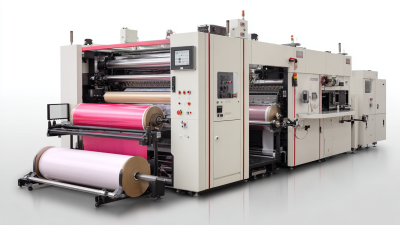
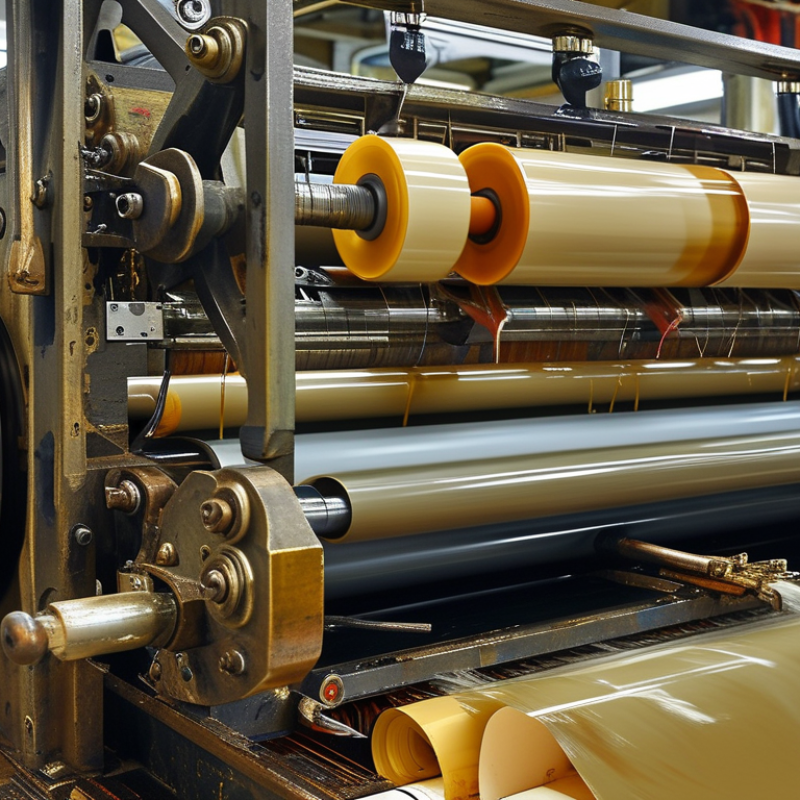
At its core, the Rotary Printing Machine uses a rotating cylinder for printing. Ink is applied to the media through a series of rollers. This process allows for rapid production, making it ideal for large print runs. Many businesses rely on this technology for newspapers, packaging, and labels.
However, while reliable, the Rotary Printing Machine is not without challenges. Maintenance is essential to avoid issues like misalignment or ink smudging. Balancing speed and quality requires constant oversight. Exploring the intricacies of this machine reveals both its advantages and areas that warrant improvement. Understanding these details can enhance both efficiency and output quality in printing operations.
What is a Rotary Printing Machine?
A rotary printing machine is an essential tool in the print industry. It uses a cylindrical design to transfer ink onto various surfaces. This machine can print continuously, making it efficient for high-volume tasks. The ability to print on flexible materials opens up countless possibilities. Paper, plastic, and textiles can all be printed on with ease.
Tips: Always ensure that the ink used is compatible with the material. This can prevent issues like smudging or fading. Regular maintenance of the machine is vital. It helps in avoiding unexpected breakdowns.
The technology behind rotary printing is fascinating. The rollers press the ink onto the substrate as it passes through. This method is faster than traditional flatbed printing. However, achieving the right balance of speed and quality is challenging. Some initial mistakes can lead to waste.
Tips: Conduct regular test runs to check print quality. This practice helps catch issues early before large print runs. Always keep an eye on color consistency during production.
What is a Rotary Printing Machine and How Does It Work?
| Feature |
Description |
| Printing Process |
Rotary screen or offset printing where the image is transferred from cylinder to substrate. |
| Speed |
Can print at high speeds, often exceeding thousands of copies per hour. |
| Applications |
Used for printing newspapers, magazines, packaging materials, and labels. |
| Materials |
Can print on various substrates including paper, plastic, and cardboard. |
| Advantages |
High efficiency, quality print, and cost-effective for large print runs. |
| Limitations |
Less economical for small runs, initial setup can be costly and time-consuming. |
History and Evolution of Rotary Printing Technology
The history of rotary printing technology dates back to the early 19th century. The first rotary press was created in 1843 by a German inventor. This innovation marked a significant shift from traditional flatbed printing. The rotary press allowed for continuous operation, which made printing faster and more efficient.
As printing demand grew, so did the technology. In the late 19th century, innovations included the introduction of steam power. Steam-driven rotary presses increased production rates dramatically. These advances made high-volume printing feasible for newspapers and magazines. However, some early designs faced challenges, such as ink flow issues and registration errors.
In the 20th century, the rotary printing press evolved further with the introduction of offset printing. This method allowed for improved quality and color reproduction. Yet, the transition was not without its hurdles. Printers had to adjust to new materials and techniques. Today, rotary printing remains vital for producing large quantities of printed materials. The technology continues to adapt, aiming for higher efficiency and sustainability.
Key Components of a Rotary Printing Machine
Rotary printing machines are vital in the printing industry. Their design includes several key components that ensure efficiency and quality. The essential parts consist of the printing cylinder, ink system, and substrate feeder. Each element plays a specific role in the printing process.
The printing cylinder rotates to transfer ink onto the substrate. This is crucial for achieving vibrant colors and clear images. According to a report by Smithers Pira, rotary presses constitute over 40% of the global printing machinery market. They are favored for their speed and ability to handle large volumes. However, precision is a potential challenge; slight misalignments can lead to imperfections in print quality.
The ink system supplies the necessary fluid to the printing cylinder. It typically employs either water-based or solvent-based inks. The choice of ink affects both the environment and print durability. In a study from the Printing Industries of America, it was noted that nearly 30% of print defects arise from improper ink settings. Understanding these components can help operators minimize errors and enhance workflow in the rotary printing process.
How the Rotary Printing Process Works
The rotary printing process is fascinating and efficient. This technique uses a cylindrical printing plate to transfer ink onto a variety of substrates. Unlike traditional flatbed presses, rotary machines can print continuously. Reports indicate that rotary printing can achieve speeds exceeding 500 meters per minute. This efficiency makes it ideal for high-volume tasks.
To further understand the rotary process, consider the inking system. Ink is continuously supplied to the cylinder, which then transfers it onto the material as it moves through the machine. This allows for consistent color application and high-quality prints. Some industry leaders estimate that rotary systems can reduce ink waste by up to 20%. However, achieving such efficiency often requires precise calibration and ongoing maintenance, highlighting the need for skilled operators.
Moreover, the complexity of the rotary printing process has a downside. Adjustments to plate tension or ink viscosity can significantly impact print quality. Inexperienced operators may produce uneven prints or misaligned images. Continuous training and a focus on best practices are essential factors for success in this fast-paced environment. With ongoing developments, the potential for improvement in rotary printing is vast.
Applications and Advantages of Rotary Printing Machines
Rotary printing machines are essential in the printing industry. Their applications span packaging, publishing, and textiles. According to industry reports, they produce high-quality prints at impressive speeds. For example, a rotary machine can print up to 600 meters per minute. This efficiency significantly meets the demands of high-volume production runs, especially in packaging.
The advantages of rotary printing machines are numerous. They excel in large-scale operations, reducing costs per unit. Additionally, these machines allow for quick changeovers between print runs, minimizing downtime. However, they may have limitations in flexibility for short runs or variable data printing. Experts suggest balancing the use of rotary machines with digital alternatives for niche projects. This approach enhances adaptability while maintaining operational integrity.
With the printing industry's constant evolution, staying updated on technological advancements is crucial. While rotary machines dominate, embracing other methods can improve overall efficiency. A diverse printing strategy can yield better results. It encourages a comprehensive understanding of market needs and future trends.
Applications and Advantages of Rotary Printing Machines