Top Trademark Printing Machine Trends for 2026 Are You Ready?
As industries evolve, the demand for efficiency in manufacturing increases. The "Trademark Printing Machine" sector is at the forefront of this transformation. Industry expert Dr. Robert Lang, a renowned figure in printing technology, states, "Innovation in printing machines is crucial for meeting market demands." This sentiment captures the essence of evolving trends as we approach 2026.
Emerging technologies such as automation and eco-friendly materials are shaping the landscape of trademark printing. Companies now seek solutions that enhance speed and quality while reducing waste. Many are investing in digital capabilities to stay competitive, yet some still lag behind. The need for informed decisions in equipment upgrades is more pressing than ever.
Additionally, businesses must recognize the balance between cost and innovation. Some firms embrace cutting-edge features, while others hesitate due to budget constraints. Reflecting on these trends will guide leaders as they prepare for the future of trademark printing machines. Challenges will arise, but adaptability is key to success in this fast-changing field.

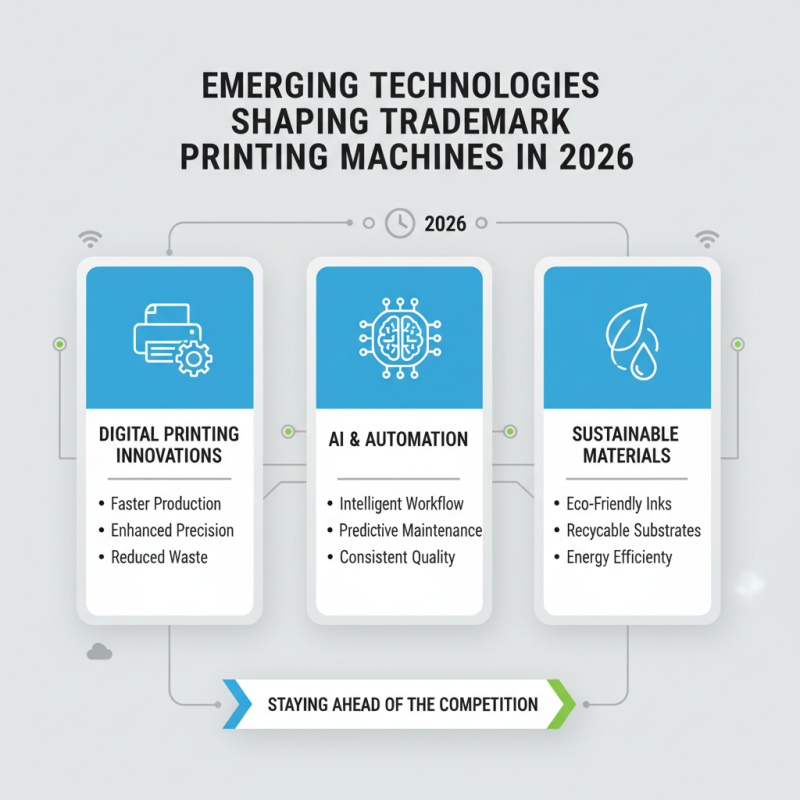
Emerging Technologies Shaping Trademark Printing Machines in 2026
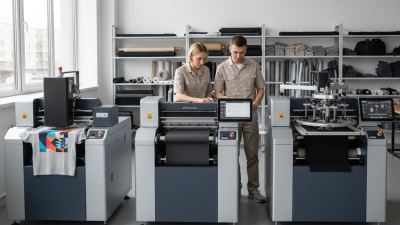
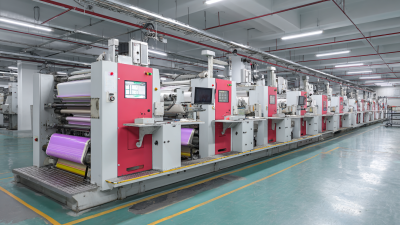
The landscape of trademark printing machines is rapidly evolving. In 2026, emerging technologies will redefine efficiency and capabilities in this field. Innovations in digital printing are gaining traction, allowing for faster production with enhanced precision. Many businesses are exploring these developments to stay ahead of the competition.
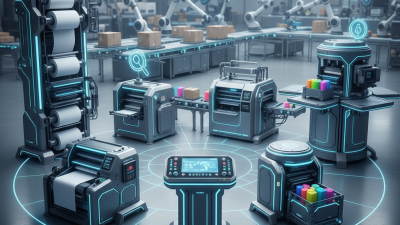
One notable area of growth is automation. Machines incorporating AI can adapt settings based on material and design specifics. This allows for a more streamlined workflow. However, the integration of these systems can be challenging. Companies must consider the alignment of new technologies with existing processes. Overcoming such hurdles requires careful planning and expertise.
Sustainability is also becoming crucial. Eco-friendly inks and recyclable materials are on the rise. Printing machines that reduce waste are gaining attention. However, not all businesses are ready to make the switch. Transitioning to more sustainable practices necessitates a shift in mindset and investment. The future will demand flexibility and innovation from all stakeholders in the trademark printing industry.
Sustainability Trends Impacting the Printing Industry’s Future
The future of the printing industry is being reshaped by sustainability trends. Research shows that 78% of consumers prefer brands that demonstrate environmental responsibility. This preference drives companies to adopt eco-friendly practices. These changes are not merely a marketing tactic; they represent a fundamental shift in consumer behavior.
Sustainable materials are at the forefront of this transformation. Reports indicate that the use of recycled papers is expected to rise by 35% by 2026. This increase highlights a growing commitment to reduce waste. Additionally, water-based inks are gaining traction. These inks minimize harmful emissions and are safer for both workers and the environment.
However, these advancements come with challenges. Transitioning to sustainable practices can be costly. Many companies struggle with the investment required for new technology. While the initial expense is steep, the long-term benefits often outweigh the costs. Embracing sustainability may require significant reflection on current business models. Companies must assess their practices critically to remain competitive in a rapidly changing market.
Customization and Personalization in Trademark Printing Solutions
As we look towards 2026, the demand for customization and personalization in trademark printing solutions continues to rise. Research shows that nearly 80% of consumers seek personalized products. This trend is reshaping how businesses approach branding. Companies are investing in advanced printing technologies that allow for unique designs and variations. This not only enhances brand identity but also fosters customer loyalty.
Customization can come in various forms. Businesses can include names, logos, or even personal messages. This level of personalization meets consumer desires for uniqueness. According to industry reports, companies that embrace customization see a 20% increase in customer engagement. However, achieving seamless customization requires robust designs and a flexible supply chain. Many businesses struggle with balancing efficiency and diversity in their offerings.
**Tip:** To effectively implement personalization in trademark printing, start with small batches. Experiment with designs to see what resonates with your audience.
Another challenge is managing customer expectations. In the pursuit of personalized products, timeliness remains critical. Over-promising can lead to disappointment. It's essential to communicate clearly about production times. Streamlining processes while ensuring quality is vital for success in this evolving market.
**Tip:** Invest in technology that allows you to adapt quickly to changes in demands. Automation can help meet needs without compromising quality.
Integration of AI and Automation in Printing Processes
The integration of AI and automation is transforming the printing industry in remarkable ways. With advancements in technology, printing processes can now be streamlined, reducing time and costs. Automated systems improve efficiency by minimizing human error. For instance, digital inkjet printers can adjust settings in real-time. This leads to more accurate color matching and consistency across prints.
However, implementing these technologies is not without challenges. The initial costs can be high. Training staff to use new systems effectively takes time and resources. Businesses need to adapt to changing workflows, which can create temporary disruptions. Resistance to change among employees can also affect productivity. It’s crucial for companies to communicate the benefits clearly to gain buy-in.
Moreover, AI can analyze patterns in printing data, providing insights for future projects. This predictive capability allows businesses to anticipate demand and optimize resource allocation. However, reliance on technology may raise concerns about job security. Striking a balance between automation and human skills is essential for sustainable growth. Transitioning to AI-driven processes demands careful consideration and ongoing evaluation.
Top Trademark Printing Machine Trends for 2026 Are You Ready? - Integration of AI and Automation in Printing Processes
| Trend |
Description |
Impact |
Projected Growth (% 2026) |
| AI Integration |
Utilization of machine learning algorithms to enhance print quality and speed. |
Higher efficiency and reduced waste in production. |
35% |
| Automation in Workflow |
Streamlining printing workflows using robotic systems and automated processes. |
Lower operational costs and improved turnaround times. |
40% |
| Smart Sensors |
Implementing IoT devices to monitor machine performance in real time. |
Proactive maintenance and minimized downtime. |
30% |
| Sustainable Materials |
Shift towards eco-friendly and recyclable printing materials. |
Enhanced brand reputation and compliance with environmental standards. |
25% |
| Cloud-based Management |
Adoption of cloud technologies for remote printing management and data storage. |
Greater flexibility and scalability for printing operations. |
20% |
Market Predictions and Key Players in the Trademark Printing Sector for 2026
The trademark printing sector is evolving rapidly. According to recent industry reports, the market is expected to reach $5 billion by 2026. This growth stems from rising demand for personalized products and branded merchandise. Companies increasingly seek ways to differentiate themselves, which enhances the need for advanced printing technologies.
Key players in the trademark printing space emphasize sustainability and efficiency. Many are focusing on eco-friendly inks and materials. This shift not only meets consumer preferences but also adheres to stricter environmental regulations. The latest trends indicate a significant rise in digital printing methods, allowing for shorter production runs and faster turnaround times. However, some businesses struggle with adapting to these new technologies, illustrating a gap in knowledge and implementation.
Moreover, ongoing supply chain challenges might affect the availability of materials. Companies must prepare for potential disruptions as they scale operations. Adapting to these changes requires flexibility and strategic planning. The landscape is competitive, pushing businesses to constantly innovate while managing costs effectively. Understanding these dynamics is essential for anyone looking to thrive in the trademark printing market by 2026.