Top 10 Automatic Printing Machines to Boost Your Business?
In today's competitive business landscape, investing in an Automatic Printing Machine can significantly enhance productivity. Leading industry expert, Dr. Emily Chen, states, “An efficient printing solution can transform how businesses operate.” With the right technology, companies can streamline their processes, reduce manual labor, and increase output.
These machines are not just a trend; they are a necessity for many organizations. They provide high-quality prints at a rapid pace. However, selecting the right Automatic Printing Machine is crucial. Features vary widely, from speed to print volume and material compatibility. Each business must assess its specific needs carefully.
While the benefits of these machines are clear, challenges also exist. Maintenance and operational costs can add up. Some users may underutilize their machines, leading to wasted potential. It’s vital to evaluate your business requirements and choose wisely to maximize your return on investment.
Types of Automatic Printing Machines for Various Business Needs
When selecting automatic printing machines, understanding your specific business needs is crucial. Different industries require various types of printing capabilities. For example, digital printers are ideal for businesses needing quick turnarounds and high-quality graphics. These machines excel in producing short runs of vibrant colors, making them perfect for marketing materials or custom orders.
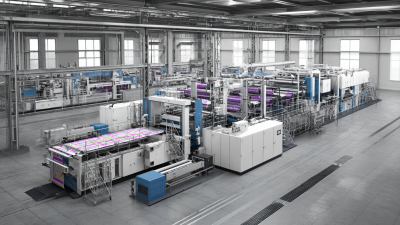
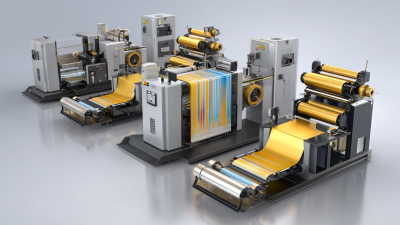
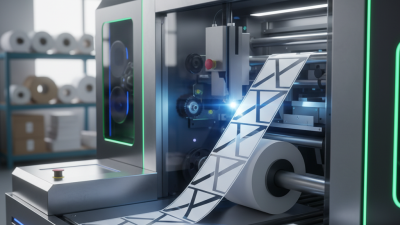
On the other hand, flexographic printers are known for their efficiency in bulk production. They are often used in packaging industries. These machines can print on various materials, such as plastic or paper. While they are cost-effective in large quantities, the initial setup can be complex and time-consuming. Businesses must weigh the upfront investment against potential savings.
Offset printing machines offer superior quality for high-volume jobs. They are excellent for magazines, books, and brochures. However, they may require more maintenance and operator expertise. The trade-off between quality and operational complexity needs careful consideration. Each type of machine presents unique strengths and weaknesses. Understanding these factors can lead to informed decisions that truly enhance productivity.
Key Features to Consider When Choosing an Automatic Printing Machine
When selecting an automatic printing machine, several key features deserve attention. One crucial aspect is the machine's capability to handle various media types. Different businesses use different materials, like paper, plastic, or fabric. Ensuring the machine accommodates all necessary media can significantly enhance production flexibility.
Another factor is the printing speed. A faster machine often increases workflow efficiency. However, it's essential to balance speed with the quality of the print. High-speed machines may not always deliver the desired detail and vibrancy. Finding a machine that offers a good mix of speed and quality is vital.
Additionally, consider the ease of operation and maintenance. A user-friendly interface can save time and reduce errors. Training staff should be straightforward. Maintenance schedules should also be manageable. Sometimes, machines require frequent recalibration or servicing, which can disrupt production. Evaluate long-term reliability. Investing time in researching these features can positively impact your business’s productivity.
Top 10 Automatic Printing Machines to Boost Your Business
| Machine Model |
Print Speed (ppm) |
Max Print Resolution (dpi) |
Paper Size Supported |
Automatic Features |
Price ($) |
| Model A |
50 |
1200 |
A4 |
Duplex Printing, Auto Feed |
1200 |
| Model B |
45 |
1440 |
A3 |
Auto Cutter, WiFi Connectivity |
1500 |
| Model C |
60 |
600 |
A5 |
Automatic Ink Replacement |
900 |
| Model D |
30 |
1200 |
Letter |
Batch Printing |
800 |
| Model E |
55 |
2400 |
A4 |
Duplex, Auto Feed |
2000 |
| Model F |
70 |
1200 |
A3 |
Auto Calibration |
2500 |
| Model G |
40 |
600 |
A4 |
Borderless Printing |
950 |
| Model H |
80 |
2400 |
A1 |
Large Scale Printing |
3000 |
| Model I |
65 |
1200 |
A4 |
Multi-Format Support |
1800 |
| Model J |
75 |
1440 |
Letter |
Quick Reload |
2200 |
Top Brands and Models of Automatic Printing Machines in the Market
When choosing automatic printing machines, understanding top brands is crucial. Leading manufacturers focus on innovation and reliability. They offer a range of models suitable for various business needs. Each machine has unique features that cater to specific tasks, such as high-speed printing or excellent color accuracy. Researching these brands helps identify which model fits your production goals.
The market offers machines that vary in size, speed, and functionality. Smaller units are perfect for startups or businesses with limited space. Larger models are ideal for high-volume operations. Regular feedback from users highlights issues like maintenance requirements and learning curves. Some machines might be complex to operate, which can lead to inefficiencies if staff are not trained adequately.
Investing in an automatic printing machine isn't just about the purchase price. It's also about long-term value and support. Many companies provide essential after-sales services. This support can make a significant difference in minimizing downtime. Understanding these factors empowers you to make an informed decision for your printing needs.
Benefits of Using Automatic Printing Machines for Business Efficiency
Automatic printing machines can significantly enhance business efficiency. They streamline the printing process, reducing labor costs and minimizing human error. With these machines, companies can produce high-volume prints quickly and consistently. This capability allows businesses to meet tight deadlines, which improves customer satisfaction.
In terms of operational benefits, automatic printing machines save valuable production time. The automation reduces the need for constant supervision. Employees can focus on other tasks, maximizing overall productivity. Moreover, the advanced technology in these machines ensures higher print quality. This leads to better branding and professional presentation of products.
However, transitioning to automatic printing might present challenges. Initial costs may be high, and training staff to operate new machines can be complex. Businesses need to reflect on their specific needs. Analyzing print volume and quality requirements can help in selecting the right system. It's essential to weigh the pros and cons carefully before making a decision.
Cost Analysis: Investment vs. Returns on Automatic Printing Equipment
Investing in automatic printing machines can significantly enhance your business operations. Recent studies indicate that businesses can achieve a return on investment (ROI) of up to 200% within the first three years. This impressive figure stems from increased efficiency and reduced labor costs. According to a report by Smithers Pira, automation in printing can reduce operational expenses by 30%.
However, it's important to consider the initial costs. Automatic printing machines require upfront investment, which can be substantial. Businesses should carefully analyze their revenue projections against these costs. A well-planned investment strategy can yield positive cash flow in the long run. Ensuring that you choose the right equipment suited to your volume and product types is vital.
Tip: Regular maintenance is crucial for maximizing the lifespan of your machines. Neglecting maintenance can lead to unexpected breakdowns and costly repairs.
Additionally, the training of staff on new technologies can impact the overall effectiveness. Some staff may resist adapting to new systems, creating temporary disruptions. Understand that the transition phase often requires patience. This learning curve is necessary for long-term gains, even if it feels challenging initially.
Tip: Document processes for new technologies. This practice can help in training staff and minimizing downtime in the future.