Leave Your Message
Buying Machine Print Shirts wholesale is not simply a search for the lowest unit price. It is a quality decision made before cartons arrive. Buyers must compare fabric weight, print durability, sizing consistency, color accuracy, production capacity, and delivery reliability. A bright sample can hide rough seams or weak collars. Ask for a pre-production sample. Wash it twice. Inspect the neckline afterward.
Industry reports support this careful approach. Smithers’ The Future of Digital Textile Printing to 2028 highlights growing demand for shorter runs, faster customization, and more efficient production. Grand View Research also identifies custom apparel printing as a growing market, driven by e-commerce, personalization, and on-demand manufacturing. These trends create opportunity, but they also increase supplier risk. Some factories advertise advanced machines without showing meaningful production evidence.
Debbie McKeegan, founder of Texintel and a recognized digital textile printing specialist, has emphasized that “digital textile printing enables brands to respond faster and produce closer to demand.” That principle matters in wholesale purchasing. Faster production does not excuse uneven prints or missed shipping dates. A reliable supplier should provide print technology details, fabric specifications, color references, and realistic lead times. Buyers should also confirm packaging standards and replacement policies in writing. Small details become expensive at scale.
The ten tips ahead focus on practical verification. They cover supplier checks, sample testing, pricing, minimum orders, artwork preparation, and delivery planning. Some recommendations may feel obvious. They are still often skipped. Cost per shirt matters, but sellable quality matters more.
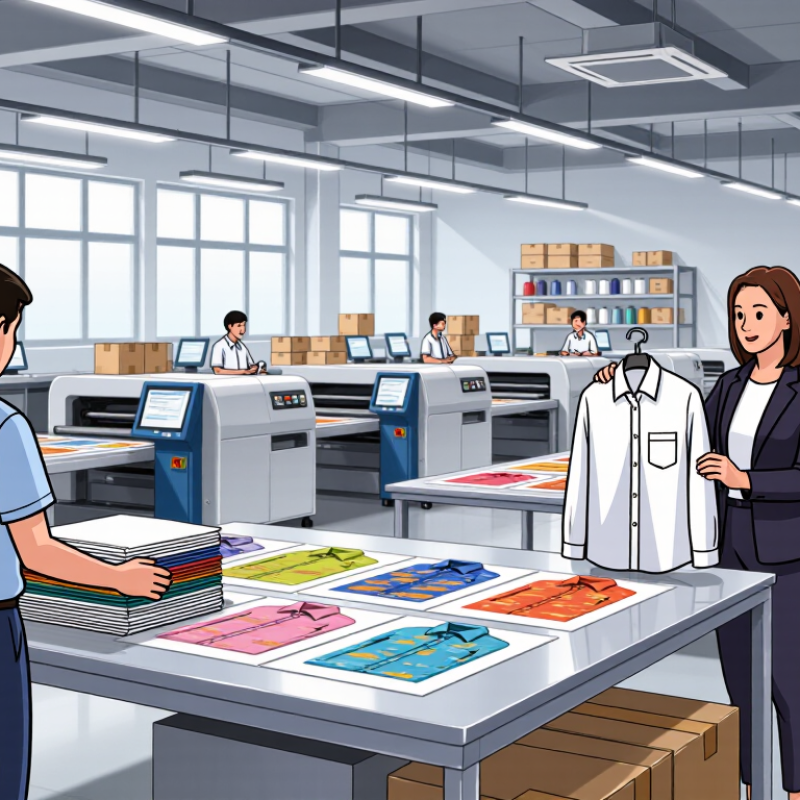
Before requesting wholesale quotes, define the shirt you actually need. A vague order creates expensive surprises, especially when printed designs, sizes, and fabric weights vary. Record the garment type, cotton blend, color range, print position, artwork dimensions, size ratio, and expected monthly volume. Keep it practical. A 180-gram shirt may suit summer events, while heavier fabric can feel more reliable for workwear. Decide whether customers value softness, durability, low price, or responsible material choices. These priorities should guide every supplier conversation.
Your target market matters more than a fashionable design. A youth event audience may prefer bold graphics and relaxed fits. Boutique shoppers may expect neat stitching, muted colors, and premium packaging. Consider the selling location, local climate, washing habits, and typical spending level. I once underestimated size demand and ordered too many medium shirts. That mistake tied up cash. Use previous sales, local surveys, or small test orders before choosing a large quantity. Small samples can mislead if final print quality differs. I still review that assumption.
Create a written specification sheet with measurement tolerances, color references, print placement, shrinkage limits, and acceptable defect rates. Request a physical sample and wash-test it at home. Check cracking, fading, seam twisting, and fabric feel after several cycles. Confirm labeling, packaging, delivery terms, and relevant quality documentation for your destination market. Ask how rejected pieces are handled. Clear requirements make comparisons fair and reduce uncomfortable disputes later.
| No. | Requirement Dimension | Practical Wholesale Benchmark | Target Market Consideration | Recommended Purchasing Action |
|---|---|---|---|---|
| 1 | Shirt Fabric | Cotton and cotton-blend jersey are common choices. Lightweight shirts often use about 120–160 GSM fabric, while heavier styles commonly use about 180–220 GSM. | Hot climates generally favor lighter, breathable fabrics. Cooler climates and premium casualwear markets may prefer heavier fabric. | Specify fiber content, fabric weight, shrinkage tolerance, softness, stretch, and colorfastness before requesting quotations. |
| 2 | Print Method | Screen printing suits larger quantities and bold graphics. Direct-to-garment printing is useful for detailed, multicolor artwork and smaller runs. Heat-transfer printing is suitable for selected graphics and personalization. | Fashion graphics may require soft hand feel and fine detail, while promotional orders may prioritize speed, consistency, and cost. | Match the print process to artwork complexity, order quantity, expected wash durability, and acceptable unit cost. |
| 3 | Artwork and Print Area | A standard front or back print is easier to price than multiple print locations. Print size, ink layers, and color count directly affect production requirements. | Youth and streetwear segments may favor large front or back graphics. Corporate and event buyers often prefer smaller chest or sleeve prints. | Submit vector artwork or high-resolution files and define print placement, dimensions, colors, and tolerances in writing. |
| 4 | Size Range and Fit | Common wholesale size runs include XS–XXL, while extended ranges may include 3XL or larger. Measurements vary by regular, relaxed, oversized, and fitted cuts. | A younger fashion audience may prefer oversized fits, whereas workwear, uniforms, and general retail may require broader size coverage. | Provide a measurement chart and planned size ratio. Approve a physical sample before bulk production. |
| 5 | Color Assortment | Each additional garment color can increase inventory complexity. Neutral colors are generally easier to combine with different graphic designs. | Seasonal fashion buyers may need trend colors, while promotional and uniform buyers often prefer dependable neutrals or approved colors. | Start with a controlled color range and confirm color references, dye-lot consistency, and minimum quantities per color. |
| 6 | Order Quantity and MOQ | Minimum order quantities differ by supplier, fabric, color, print process, and customization level. Larger quantities generally reduce setup cost per piece. | Test launches require smaller commitments, while established retailers and promotional distributors can plan larger repeat orders. | Request MOQ by style, color, size, and print design rather than relying only on one total order quantity. |
| 7 | Target Landed Cost | The final cost includes the shirt, printing, packaging, inspection, freight, duties, payment fees, and possible sampling or setup charges. | Value retailers need strong cost control, while premium buyers may accept higher costs for better fabric, construction, and print performance. | Calculate landed cost per sellable shirt before confirming the wholesale price or retail margin. |
| 8 | Production and Delivery Time | A custom order usually requires time for artwork approval, sampling, material preparation, printing, quality control, packing, and transport. Lead times vary by season and order size. | Event, school, and seasonal buyers need firm arrival dates. Fashion buyers may prioritize flexibility for repeat replenishment. | Set an approval deadline, production deadline, shipping method, buffer period, and clear delay-notification procedure. |
| 9 | Quality and Compliance | Important checks include measurements, stitching, fabric composition, print adhesion, wash durability, colorfastness, loose threads, stains, and packaging accuracy. | Children’s apparel, uniforms, and export orders may be subject to additional labeling, chemical, safety, or product regulations. | Confirm destination-market requirements and use an approved sample, written specifications, and pre-shipment inspection criteria. |
| 10 | Packaging and Replenishment | Packaging may include individual bags, size stickers, carton labels, folding instructions, and carton quantity limits. Reorder consistency depends on retained specifications. | Online sellers may need barcode-ready packaging, while wholesale distributors may prefer bulk cartons sorted by size and color. | Document packaging standards and retain approved samples, artwork files, measurements, and fabric details for repeat orders. |