Best Printer On Shirts Options for Global Buyers in 2026
In the ever-evolving world of fashion, the "Printer On Shirts" industry has gained remarkable popularity. As consumers seek unique ways to express themselves, options in this space have expanded significantly. Industry expert Dr. Emily Foster, a renowned textile specialist, emphasizes, "Customization is the future of fashion, and Printer On Shirts is at the forefront of this revolution."
Looking ahead to 2026, global buyers will encounter innovative technologies reshaping this arena. The demand for high-quality, personalized designs continues to rise. Companies are developing user-friendly platforms that make creating customized shirts easier than ever. However, it’s crucial to be aware of potential pitfalls. Not all printers deliver the same quality, and some may compromise on durability.
Moreover, environmental sustainability is becoming a pressing concern. As more brands enter the market, consumers should consider eco-friendly options. It’s not just about aesthetics; ethical production practices also matter. The journey in the Printer On Shirts industry is filled with exciting opportunities, but buyers must be informed. Reflection on personal values can guide choices, making the experience truly rewarding.
Types of Printers Suitable for T-Shirt Printing in 2026
When selecting printers for T-shirt printing in 2026, understanding various types is essential.
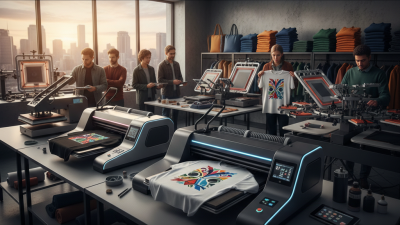
Direct-to-Garment (DTG) printers are popular among small businesses. They deliver high-quality designs with vibrant colors.
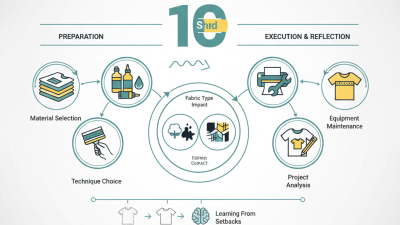
These printers work well with various fabric types, ensuring versatility. However, DTG printers can be expensive and require proper maintenance.
Another option is heat transfer printers. They are user-friendly and suitable for beginners. These printers use heat to transfer designs onto fabric.
While they are easier to operate, the durability may not match that of DTG prints. Users might notice that the prints can fade over time. Experience will help in choosing the right materials to improve longevity.
Sublimation printers are also worth mentioning. They work best on polyester fabrics.
This method provides vivid colors and allows for intricate designs. However, there's a limitation with fabric choices.
It can be frustrating when customers request non-polyester materials. Investing time in learning about these variations is crucial.
Understanding the strengths and weaknesses of each printer type can enhance business outcomes.
Key Features to Consider When Choosing a T-Shirt Printer
When selecting a T-shirt printer in 2026, several key features should be taken into account. Every buyer needs to consider print quality, as it determines the vibrancy and longevity of designs. A recent industry report indicated that 75% of consumers prioritize high-resolution prints. Machines with a higher DPI (dots per inch) provide sharper images. This factor can significantly influence market trends and customer satisfaction.
Another crucial feature is production speed. In a fast-paced market, businesses cannot afford delays. Data shows that printers capable of producing over 50 shirts per hour are in high demand. Buyers must assess whether the machine's speed meets their operational needs. Additionally, durability is a vital aspect. Printers should withstand high-volume use without frequent breakdowns. Maintenance costs can detract from profitability. According to surveys, 30% of printers experience issues within the first year, highlighting the importance of reliable equipment.
Cost is an obvious consideration, but it's not just about the initial investment. Buyers must evaluate total cost of ownership (TCO). This includes ink prices, maintenance, and potential downtimes. Reports suggest that unexpected repair costs can inflate initial savings, leading to budget overruns. Balancing cost with efficiency and reliability can be a complex puzzle. Understanding these elements can help global buyers make informed decisions.
Top Recommended Printer Brands for Global Buyers in 2026
In 2026, the demand for quality printers for shirt printing remains strong. Industry reports indicate that the custom apparel market is projected to grow by 10% annually. This growth highlights the need for reliable printer brands tailored to meet diverse buyer preferences worldwide.
Key features to look for include print speed and resolution. High-resolution printing ensures vibrant colors and detailed designs. Many global buyers now prioritize eco-friendly inks. The market trends suggest that buyers are increasingly aware of sustainability. This shift impacts purchasing decisions significantly.
However, not all printer brands deliver on their promises. Some may falter in user support or warranty services. Data shows that 30% of buyers express frustration with lengthy setup processes. Additionally, the importance of customer reviews cannot be overlooked. Insights from fellow users can provide a clearer picture of a printer’s capabilities and limitations. Thus, thorough research is essential before making a purchase.
Best Printer Options for Shirts in 2026
Economic and Environmental Impact of T-Shirt Printing Technology
The t-shirt printing industry is rapidly evolving. By 2026, technology will play a crucial role. Economic and environmental impacts are central to this transformation. According to a report by Smithers Pira, the global digital textile printing market is expected to reach $3.4 billion by 2026. This growth raises questions about sustainability.
Environmental concerns are critical to t-shirt printing. Traditional methods often produce significant waste. Water usage can exceed 20,000 liters per ton of fabric. Innovative printing techniques, such as direct-to-garment (DTG), can reduce resource consumption. However, these methods still face challenges. Many printers are not using eco-friendly inks.
The economic ramifications are complex. On one hand, new technologies create jobs. They also allow small businesses to thrive. On the other hand, reliance on fast fashion erodes potential gains. A study from the Ellen MacArthur Foundation highlights that the average consumer discards around 60% of clothing within a year. This cycle is unsustainable. The path forward will require balancing profitability with eco-conscious practices. T-shirt printing must evolve, not just in technique, but also in mindset.
Future Trends in T-Shirt Printing and Buyer Expectations
As we look toward 2026, the future of t-shirt printing presents exciting trends and buyer expectations.
Consumers increasingly want personalization. This trend means providing options that cater to individual preferences.
They want more than just standard designs; they seek unique prints that reflect their personalities or ideals. The ability to customize not only enhances
the buyer's experience but also solidifies brand loyalty.
Sustainability is another pivotal aspect. Eco-friendly materials and processes will become more important. Buyers want to feel good about their purchases.
Brands must adopt practices that reduce environmental impact without sacrificing quality. However, achieving this balance can be challenging.
Not all companies can afford the transition to sustainable practices, making it a potential point of reflection.
Innovation in printing technology will also shape buyer expectations. Advances may lead to faster production times and better-quality prints.
That said, there are hurdles to overcome. Keeping up with rapid technological changes can be daunting for smaller businesses.
They need to stay informed yet often lack resources. Buyers might expect high-tech solutions, yet not all brands can deliver them effectively.
Understanding these tensions will be crucial for future success in the t-shirt printing industry.