Top Logo Printing Machines for Your Business Needs in 2026?
In the rapidly evolving market of branding, the choice of a logo printing machine is crucial for businesses in 2026. According to recent industry reports, the demand for high-quality logo printing is projected to grow by over 15% annually. This growth emphasizes the importance of investing in the right equipment. Renowned industry expert, John R. Smith, notes, "A reliable logo printing machine can significantly enhance your brand's visibility and overall appeal."
Firms face challenges in selecting machines that align with their specific needs and budgets. Many businesses overlook essential features, such as print resolution and durability. Recent surveys indicate that 67% of small companies reported dissatisfaction with their current logo printing solutions, highlighting the need for informed decisions.
While advanced technology is beneficial, it's essential to recognize that not all machines suit every operation. Some equipment may underperform if not matched with the right business strategy. Companies should review their options carefully to avoid costly mistakes. The right logo printing machine not only reflects a brand's identity but also impacts customer perception significantly.
Top Features to Look for in Logo Printing Machines for 2026
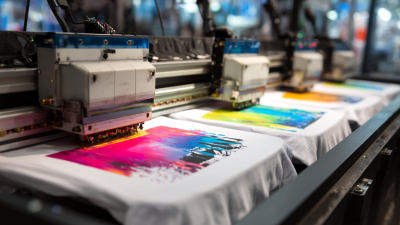
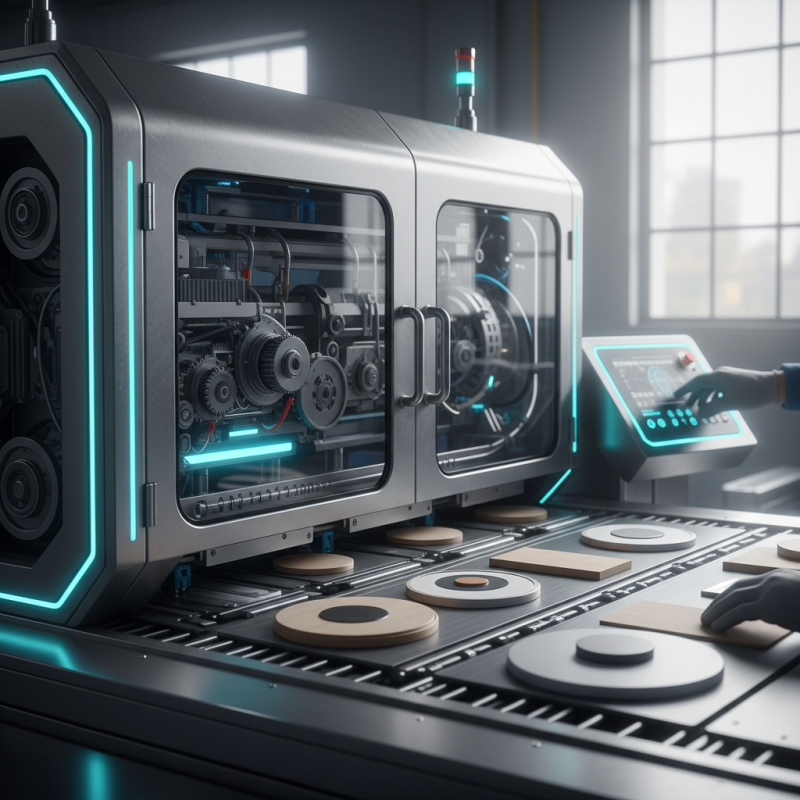
When choosing a logo printing machine in 2026, several key features stand out. The machine's print resolution is crucial. High resolution ensures that logos appear sharp and vibrant. Look for machines offering at least 1200 DPI. This delivers fine details and vivid colors, essential for branding. Ease of use is another vital aspect. A user-friendly interface will save time and reduce errors during operation.
Additionally, versatility is important. Many businesses require different printing materials, from textiles to plastics. Machines that can handle various substrates expand your capabilities. Consider those that support multiple printing techniques as well. This can be a game-changer for businesses looking to diversify.
However, keep in mind the maintenance needs of a logo printing machine. Some models may require frequent servicing, while others have longer intervals. Evaluate not only the upfront cost but also the long-term reliability. A more reliable machine could prove cheaper over time, despite its initial price. Regular feedback from users in 2026 will help you navigate these considerations better.
Market Trends in Logo Printing Technology and their Impacts on Businesses
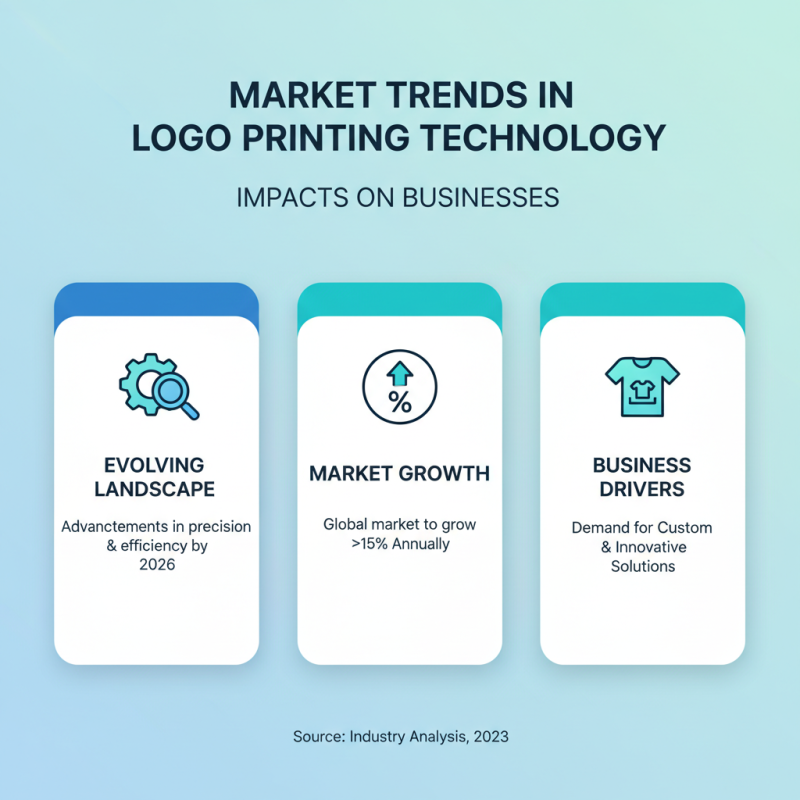
The landscape of logo printing technology is rapidly evolving. By 2026, significant advancements are expected in printing precision and efficiency. According to a recent industry analysis, the global market for logo printing machines is projected to grow by over 15% annually. This surge is driven by businesses seeking more customizable and innovative printing solutions.
However, new technologies come with challenges. Not all businesses can adapt quickly. Smaller companies may struggle with investment in cutting-edge machines. Additionally, there's a pressing need for training staff on these advanced systems. A survey indicates that 45% of businesses find employee training to be a considerable obstacle. Hence, a lack of skilled operators can hinder the production efficiency these machines promise.
Sustainability is another focal point. Companies are increasingly choosing eco-friendly materials. Reports suggest that 70% of consumers prefer brands that prioritize sustainability. Businesses that incorporate green practices in their logo printing may gain a competitive edge. Yet, transitioning to sustainable options may require time and resources, posing a dilemma for many organizations.
Comparative Analysis of Leading Logo Printing Machines in 2026
In 2026, logo printing machines are essential for many businesses. A recent industry report highlighted that the market is expected to grow by 15% annually. This growth is driven by the increasing need for custom branding solutions. However, choosing the right machine can be challenging due to varying needs and features.
Leading machines now offer higher resolution and faster printing speeds. Companies should consider their specific requirements, such as print volume and material compatibility. Some machines excel in flexibility, while others focus on speed. With the right choice, businesses can enhance their branding efforts and meet customer demands effectively.
Tip: Research each machine's durability and maintenance needs. A machine with high uptime can lead to increased productivity.
Another aspect to reflect on is the environmental impact of printing technologies. Sustainability is becoming a priority for many brands. Selecting machines that use eco-friendly inks and materials can attract environmentally-conscious consumers. Ensure that you evaluate each option carefully, as some may not perform well under certain conditions.
Tip: Consider total cost of ownership, not just initial price. A cheaper machine might incur higher long-term costs.
Ultimately, thorough research and analysis can lead to better decisions and improved business outcomes.
Cost-Benefit Evaluation of Investing in Logo Printing Machines
Investing in logo printing machines can greatly enhance your business visibility. Analyzing their cost-effectiveness is crucial. Typically, these machines can streamline your printing process, reducing labor costs. With a good machine, you can produce high-quality designs efficiently. However, initial costs may be significant, and not every business will see immediate returns.
When exploring options, consider the machine's capabilities and maintenance costs. Some machines require frequent repairs or specific materials, adding to ongoing expenses. Evaluate whether the investment matches your production needs. It is wise to conduct market research. Gather feedback from businesses currently using such machines. This firsthand experience can guide your decision-making. Don't overlook the importance of training staff on new equipment to maximize productivity.
A thorough analysis of your requirements will lead you to the right choice. Be aware that over time, technology evolves quickly. A machine that seems ideal today might not hold its value later. Investing in outdated technology can lead to regret. Ensure your choice aligns with future trends and customer expectations.
Environmental Considerations in Logo Printing Machine Selection
When selecting logo printing machines, environmental considerations are crucial. According to a report by the Environmental Protection Agency, nearly 40% of business-related waste comes from printing materials. Many businesses overlook the sustainability of their equipment. Choosing eco-friendly machines can significantly reduce this footprint.
Opt for machines that use water-based inks rather than solvent-based options. Water-based inks emit fewer volatile organic compounds (VOCs). Moreover, consider the energy efficiency of the machine. Devices with Energy Star certifications can reduce energy consumption by up to 30%. Many companies fail to factor in long-term costs associated with energy usage.
Another important aspect is the recyclability of materials involved. Many printing machines still rely on traditional plastics that are not biodegradable. Look for machines that use sustainable materials or offer recycling programs for their parts. Awareness of these environmental issues is growing. A study showed that businesses increasingly prioritize eco-friendly practices. Yet, many still need to identify areas of improvement in their printing operations.