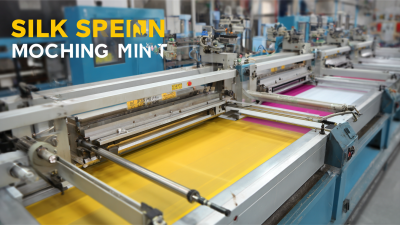
Why Invest in a Silk Screen Printing Machine for Your Business?
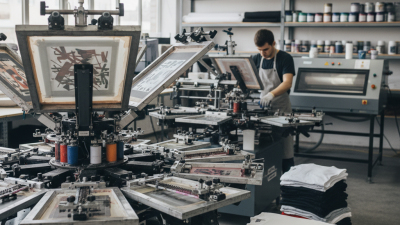
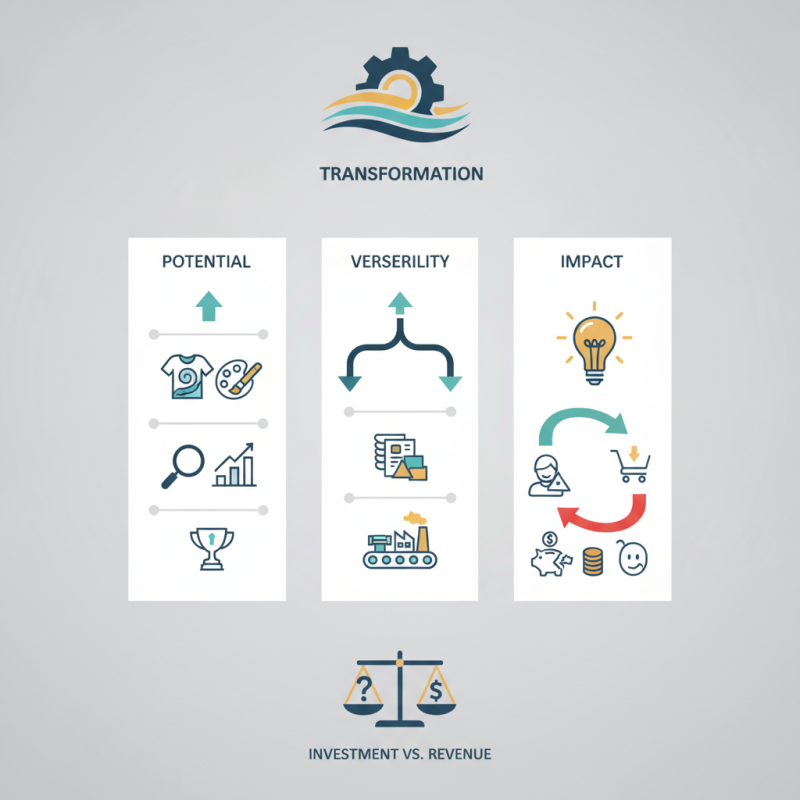
Investing in a Silk Screen Printing Machine can transform your business. Many experts agree on its potential. John Thompson, a leading expert in textile printing, once said, "The right equipment can elevate your brand's identity." This statement highlights the importance of quality machinery in achieving professional results.
A Silk Screen Printing Machine offers versatility. It allows businesses to create custom designs efficiently. Small changes in production can yield significant benefits. High-quality prints attract customers and enhance your reputation. However, choosing the right machine can be challenging. The market is flooded with options, and not all machines are equal.
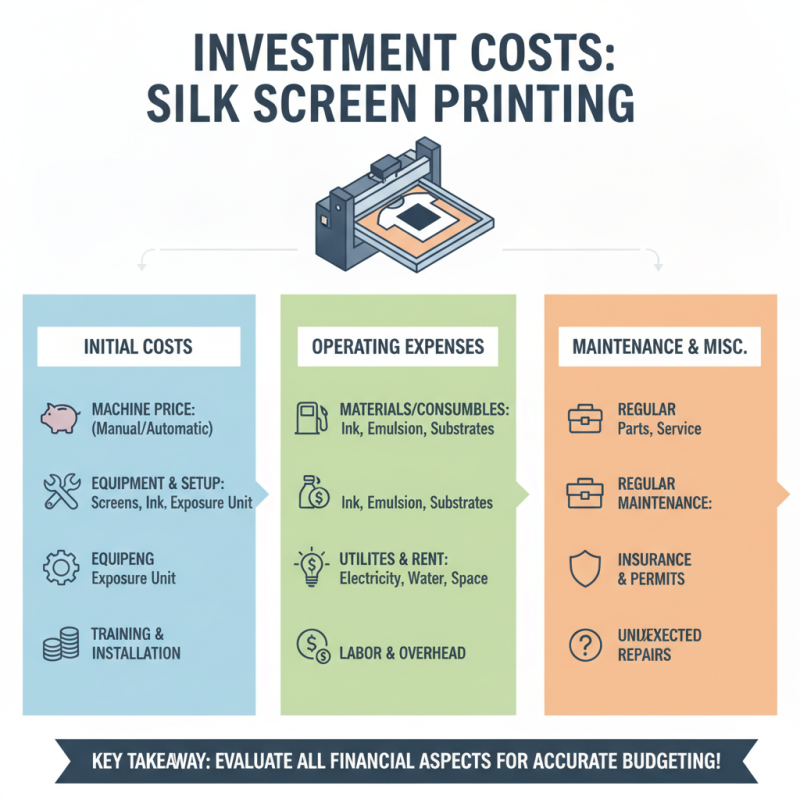
Some may find the initial investment daunting. But consider the long-term savings and the potential for increased revenue. Many entrepreneurs reflect on their experiences with these machines. Their stories often emphasize the importance of reliable equipment. Choosing a Silk Screen Printing Machine may require careful thought. The impacts on your business can be profound, both positively and negatively.
The Advantages of Silk Screen Printing Technology for Businesses
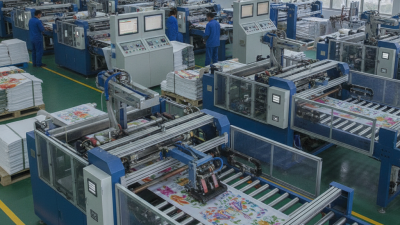
Silk screen printing stands out for its versatility and efficiency. This method can print on various materials, including fabric, wood, and plastic. According to recent industry reports, businesses utilizing silk screen technology have seen a 20% increase in production speed compared to traditional methods. This efficiency can significantly lower labor costs and improve turnaround times.
The quality of prints produced through silk screen printing is exceptional. The ink used is thicker, offering vibrant colors and durability. A study indicated that products printed with this technique maintain their quality 30% longer than those using digital printing methods. This resilience can enhance customer satisfaction and brand reputation.
Investing in a silk screen printing machine can lead to higher profit margins. However, initial costs can be a concern. Businesses must weigh these expenses against potential gains. Additionally, some find the learning curve steep, which may require time and training. Nonetheless, the long-term benefits often justify the challenges.
Versatility of Silk Screen Printing: Applications Across Different Industries
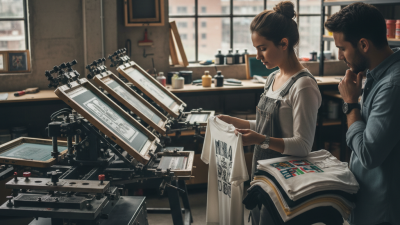
Silk screen printing is a versatile technique used across various industries. It allows for an incredible range of materials and products to be printed on. From textiles to promotional items, this method provides businesses with endless possibilities. T-shirts are commonly produced this way, but the applications extend much further.
For instance, silk screen printing is often used in electronics. Printed circuit boards benefit from this technology, ensuring high precision in component placement. The food industry utilizes this technique for packaging and labeling, creating colorful and informative designs. Similarly, the automotive sector employs silk screen printing for interior and exterior details, contributing to vehicle aesthetics.
While the advantages are clear, challenges exist. Proper setup and maintenance of the printing machine require expertise. A lack of experience may lead to errors or waste. Finding the right inks and materials can also be overwhelming. Each decision impacts the final product's quality and durability. Therefore, investing in a silk screen printing machine demands thoughtful consideration and ongoing education.
Why Invest in a Silk Screen Printing Machine for Your Business?
| Industry |
Common Applications |
Benefits of Silk Screen Printing |
Typical Print Items |
| Apparel |
T-shirts, hoodies, hats |
High durability, vibrant colors |
Branded merchandise, event shirts |
| Promotional Products |
Banners, tote bags |
Cost-effective for bulk printing |
Promotional giveaways, trade show displays |
| Home Décor |
Posters, wall art |
Ability to print on various materials |
Artwork reproduction, custom designs |
| Packaging |
Boxes, labels |
Customizable and unique designs |
Branded product packaging, unique labels |
| Arts and Crafts |
Unique art prints, crafts |
Versatile for creative projects |
Custom art pieces, community art projects |
Quality Control: Ensuring High Standards with Silk Screen Printing
Silk screen printing stands out for its ability to produce
vibrant and durable designs. However, maintaining quality control is crucial
in achieving consistent results. Focusing on quality ensures that every print meets your business's high standards.
Tight quality control processes allow you to rectify any issues before they affect your production line.
One effective way to ensure quality is through
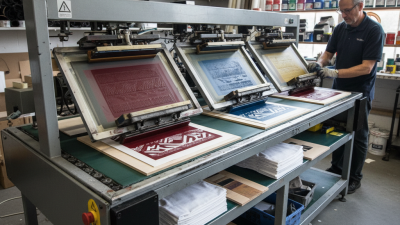
regular equipment maintenance. A well-maintained silk screen
printing machine produces better prints. Quality checks, such as monitoring ink consistency and alignment, are essential.
Even minor adjustments can significantly enhance output. Observing the entire printing process helps identify potential areas
for improvement.
Additionally, investing in skilled operators is vital.
Their expertise can drastically influence print quality. Mistakes can occur, but with a solid quality control protocol,
you can learn and adapt. Training your staff regularly fosters a culture of excellence. Continuous feedback loops can
address issues early and perfect the final product. Quality assurance in silk screen printing isn't just a checklist;
it's a commitment to delivering outstanding results.
Market Trends: Expanding Opportunities with Silk Screen Printing Machines
Silk screen printing has seen remarkable growth recently. According to a market research report, the global silk screen printing market is expected to reach $6.5 billion by 2027, growing at a compound annual growth rate (CAGR) of 4.5%. This indicates expanding opportunities for businesses willing to invest in silk screen printing machines.
These machines are versatile. They can print on a variety of materials, including fabric, plastic, and metal. Many small to medium-sized businesses have successfully integrated silk screen printing into their operations. Yet, challenges exist. Understanding the nuances of color mixing and substrate compatibility is crucial. Studies show that 30% of new businesses experience difficulties in these areas.
Tips: Invest in training your team. Knowledge about equipment and techniques can significantly minimize mistakes.
Moreover, sustainability is becoming a driving force. Eco-friendly inks and materials are gaining popularity. A report indicated that 60% of consumers prefer brands that prioritize sustainability. Adapting your silk screen printing processes to align with trends can enhance your brand’s appeal.
Tips: Stay updated on market trends. Attend workshops and trade shows to gain insights into best practices.