China Top 10 Silk Screen Machine Brands to Consider in 2026?
The silk screen printing industry is experiencing remarkable growth worldwide. The global market for silk screen machines is expected to reach USD 4.3 billion by 2026, according to industry reports. This surge is driven by increasing demand for customized printing solutions across various sectors, including textiles, electronics, and packaging.
As businesses strive for operational efficiency, investing in the right silk screen machine becomes crucial. China, as a manufacturing powerhouse, offers a range of brands known for quality and innovation. However, with numerous options, identifying the best brands can be challenging. It's essential to consider factors such as machine performance, durability, and customer support.
Some brands excel in high-speed printing, while others focus on eco-friendly technology. It's important to reflect on specific needs to make an informed decision. Choosing a silk screen machine is not just a purchase; it's an investment in future productivity. Users should weigh the pros and cons carefully, ensuring that their choice aligns with their business objectives.
Overview of Silk Screen Printing Industry in China for 2026
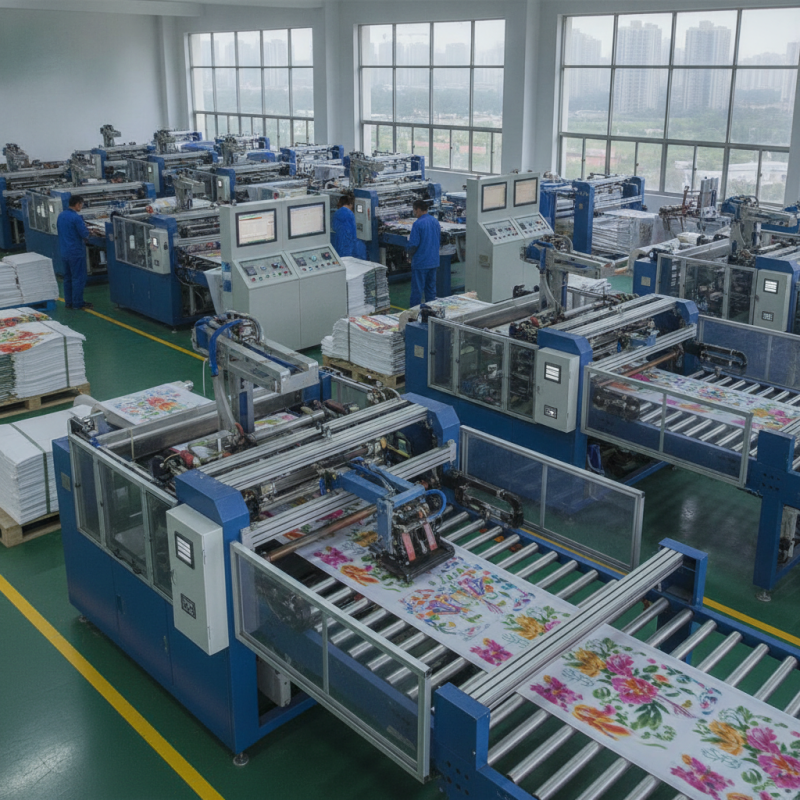
The silk screen printing industry in China is poised for significant growth by 2026. This growth stems from rising demand in various sectors, including textiles, electronics, and signage. Companies are increasingly adopting advanced technologies in their production processes. This evolution has transformed traditional methods, but challenges remain.
Quality control is crucial in this competitive landscape. Some producers struggle to maintain consistency in their output. Fluctuations in raw material availability can impact production schedules and pricing. In addition, environmental regulations are becoming stricter. Many manufacturers must adapt to sustainable practices while managing costs.
As the industry develops, educational resources and training programs will be essential. Skilled labor is in high demand, but there is a gap in expertise. Collaborations between manufacturers and educational institutions can help bridge this gap. Investing in talent will be crucial for sustaining growth in the silk screen printing market. Adapting to these new realities will require flexibility and a commitment to innovation.
Key Features to Look for in Silk Screen Machines
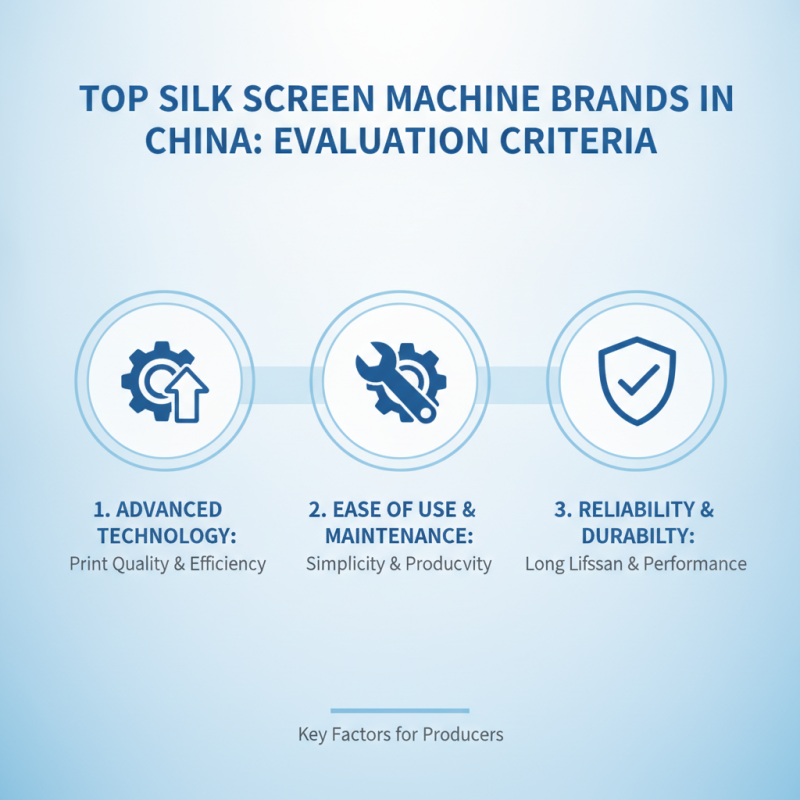
When considering silk screen machines for your business, focus on key features that enhance functionality. The machine's durability is crucial. Look for sturdy construction that can withstand high usage. A reliable machine minimizes downtime and maintenance issues. Check its ease of use. Operators should be able to set up and operate the machine with minimal training. This helps streamline production and reduces errors.
Print speed is another vital aspect. A faster machine increases productivity, but make sure it maintains print quality. Consistent output is essential for customer satisfaction. Consider the types of inks used as well. Versatile machines can handle various inks, including water-based and UV options. This adaptability allows for diverse projects.
Lastly, think about the machine's adaptability to different substrates. Some machines work well on fabric, while others excel on harder surfaces like plastic or metal. A machine with a wide range of compatibility will enhance your service offerings. Always evaluate feedback from current users. Their experiences can guide your decision-making process and reveal potential limitations of specific models. Balancing these features will help you make an informed choice.
Detailed Reviews of the Top 10 Silk Screen Machine Brands
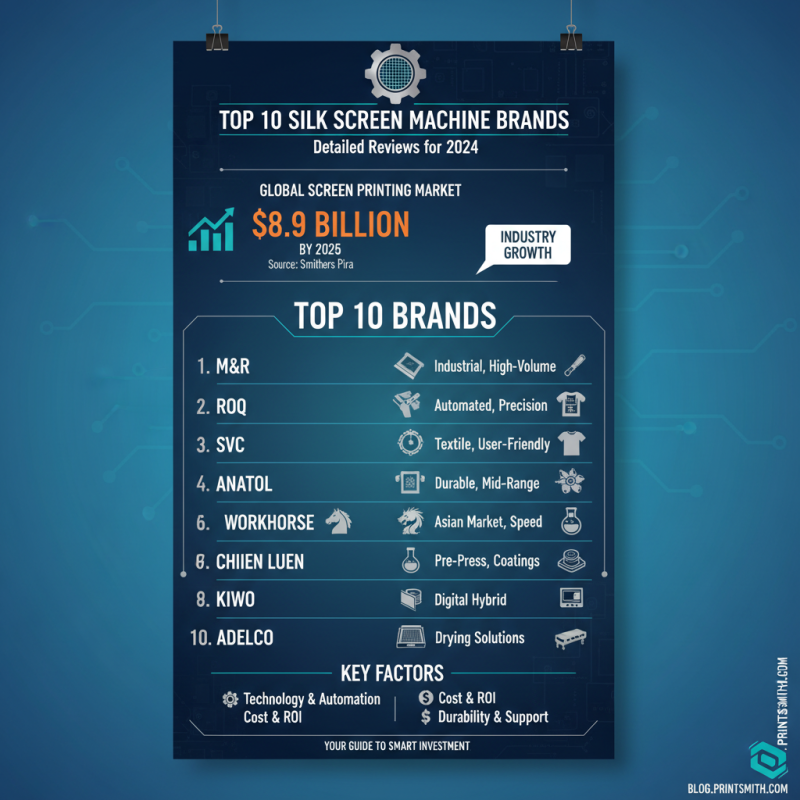
As the silk screen printing industry evolves, selecting the right machinery becomes crucial for businesses. The competitive landscape has numerous brands, but it’s vital to understand what distinguishes the top machines. For instance, a report from Smithers Pira highlights that the global screen printing market is projected to reach $8.9 billion by 2025, reflecting its growing demand in various sectors.
When evaluating silkscreen machines, consider features like precision, ease of use, and durability. Certain brands offer advanced technology, enhancing print quality. However, not all machines guarantee reliability. A survey by Mordor Intelligence indicated that up to 30% of businesses faced challenges with inconsistent print results. This highlights the need for critical evaluation. Users should also reflect on their unique production requirements and budget constraints.
Furthermore, service support is crucial. Many manufacturers provide limited after-sales service, impacting the long-term usability of their machines. Companies should test machines with sample prints before commitment. Understanding these nuances can significantly influence operational efficiency and output quality.
Future Trends and Innovations in Silk Screen Technology in China
Silk screen technology in China is evolving rapidly. Emerging trends focus on automation and sustainability. Modern machines now incorporate smart features. This means faster production with less energy consumption. Innovations enhance precision, reducing waste significantly. Manufacturers are investing in eco-friendly materials, pushing for sustainable practices.
While these advancements are promising, challenges exist. The shift to automation may displace traditional jobs. Not all companies can easily adapt to new technologies. Moreover, not every innovation guarantees an immediate return on investment. Businesses must weigh costs against potential benefits.
Tips for navigating this landscape include staying informed. Regularly review industry reports and trends. Networking with other professionals can provide valuable insights. Experimenting with new techniques on a small scale may yield useful results. Flexibility and willingness to adopt changes could prove essential for success.
Silk Screen Machine Brands Market Share in 2026