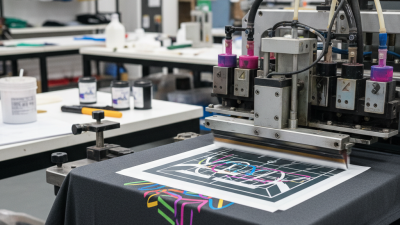
Top Tips for Choosing the Best T Shirt Printing Machine?
When it comes to selecting the right T Shirt Printing Printer Machine, expert insights can be invaluable. Sam Johnson, a renowned figure in the printing industry, emphasizes, "Choosing the right machine can make or break your business." This statement highlights the importance of thoughtful decision-making in the printing sector.
One of the main challenges is understanding the variety of options available. Different machines serve different needs. Whether you need high volume production or intricate designs, knowing your requirements is crucial. Many newcomers to the industry often overlook these specifics. They might rush into purchasing without full consideration of their goals.
Additionally, consider the machine's features. While some printers offer advanced technology, others may lack essential functions. It’s easy to be swayed by attractive marketing; however, functionality should be your primary focus. Reflecting on specific needs can lead to better choices. Ultimately, investing time in research will yield the best results with your T Shirt Printing Printer Machine.
Key Factors to Consider When Selecting T Shirt Printing Machines
When selecting a t-shirt printing machine, consider the type of printing technology. Direct-to-garment (DTG) and screen printing are popular options. A study from the Specialty Graphic Imaging Association (SGIA) notes that DTG printing has grown 35% annually due to its quick setup and high-quality prints. Yet, DTG machines may lack speed for large orders.
Another factor is the machine's ease of use. User-friendly interfaces reduce training time. According to a report by IBISWorld, businesses lose around 20% of potential sales due to operational complexity. A machine that's difficult to operate can lead to costly mistakes and wasted materials.
Print speed is crucial too. Fast machines help meet tight deadlines. But speed shouldn't compromise print quality. As the industry evolves, maintaining high standards is essential. Reflecting on past experiences reveals that investing in a reliable machine pays off in the long run, both in quality and customer satisfaction. Evaluating these factors can significantly enhance your t-shirt printing business.
Top Tips for Choosing the Best T Shirt Printing Machine
| Key Factor |
Description |
Considerations |
| Printing Technology |
Types include screen printing, direct-to-garment (DTG), and heat transfer. |
Evaluate the types of designs and fabrics you intend to use. |
| Print Quality |
The resolution and color vibrancy of printed designs. |
Look for machines with high DPI (dots per inch). |
| Machine Size |
Footprint and capabilities of the machine. |
Ensure it fits your workspace and meets production needs. |
| Ease of Use |
User-friendly interfaces and setup processes. |
Consider training availability and support resources. |
| Maintenance |
Frequency and complexity of upkeep required. |
Factor in long-term costs for repairs and servicing. |
| Cost |
Initial investment and operational expenses. |
Compare options based on budget and expected ROI. |
Understanding Different Types of T Shirt Printing Technologies
When exploring t-shirt printing technologies, understanding different methods is essential.
Direct-to-Garment (DTG) printing is a popular choice. This method utilizes inkjet technology.
It allows for detailed designs and vibrant colors. According to a 2022 Splendid Insights report,
the global DTG market is projected to grow by 20% by 2026. This growth
is driven by rising demand for custom apparel.
Screen printing remains a classic technique.
It excels in large orders, offering cost-effective solutions. However, achieving precise color
matching can be challenging. Consistency is crucial, yet minor variations can occur between batches. A
study from Smithers Pira indicated that screen printing holds 45% of the market share
due to its efficiency.
Heat transfer printing is gaining traction, especially
for short runs. It offers a quick turnaround with minimal setup. However, designs may not be as durable as
those produced by other methods. A survey by ResearchAndMarkets in 2023 suggested that while heat
transfer technology accounts for 25% of the market, users should consider its longevity when
quality is paramount. This highlights the need for careful evaluation when choosing the best
printing machine.
Evaluating Production Capacity and Speed of Printing Machines
When evaluating the production capacity of T-shirt printing machines, several factors play a crucial role. Speed is one of them. According to industry reports, a typical direct-to-garment (DTG) printer can produce around 30 to 50 shirts per hour. This number varies based on print complexity and fabric type. It’s vital to assess how this speed aligns with your business needs. A machine that prints 100 shirts in under two hours may be ideal for larger orders.
Production capacity also depends on the machine's print head setup. Machines with multiple print heads can significantly increase throughput. However, more heads might lead to higher maintenance requirements. A balance of speed and reliability is key. Industry insights suggest that businesses often face challenges in scaling their production. Many T-shirt printers report issues with consistency and quality at high speeds. Attaining high output should not compromise the integrity of the prints.
Understanding your printing process's limitations is essential. For instance, the drying time of inks can impact overall efficiency. Ink types and their adhesion properties also come into play. A faster machine may not always be better if it struggles with drying. Furthermore, invest time in researching various technologies. Some machines offer innovative solutions for boosting speed without sacrificing quality. Adjusting to these modern printing technologies can lead to increased satisfaction and loyalty from customers.
Assessing Print Quality and Resolution Capabilities
When selecting a T-shirt printing machine, print quality and resolution are key factors. High-resolution printing leads to sharper images. Check the DPI (dots per inch) rating. Machines with 300 DPI offer excellent detail. Lower DPI may result in blurred images. Analyzing prints under magnification can reveal imperfections.
Color accuracy is another crucial aspect. Vivid colors enhance customer appeal. Conduct a test print. Compare it against your design. If colors are dull or inaccurate, reconsider your choice. Different machines may handle color profiles differently.
Print longevity is vital. A high-quality print should withstand washing and wear. Investigate ink types as they influence durability. Look for machine features that include curing systems. These systems bond the ink to fabric effectively. Don’t overlook user reviews. Real-world feedback offers valuable insights about reliability.
Print Quality Comparison of T-Shirt Printing Machines
Budgeting for Your T Shirt Printing Machine Investment
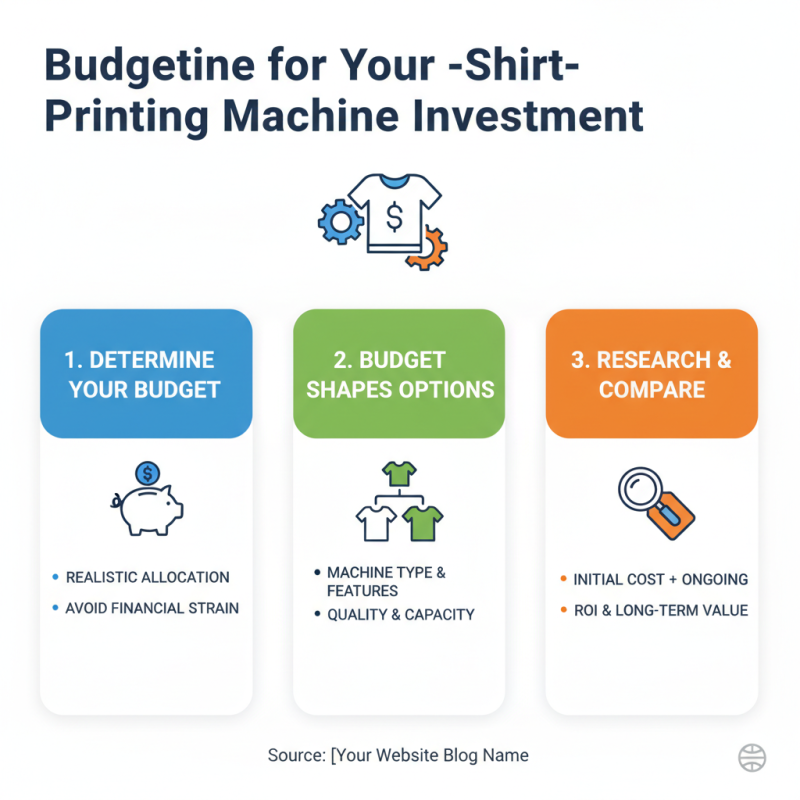
When considering a t-shirt printing machine, budgeting is a crucial step. Many potential buyers overlook this aspect and later face financial strain. Start by determining how much you can realistically allocate. This figure shapes your options and can guide your features and quality decisions.
Research the initial purchase price, but don’t stop there. Consider maintenance costs, ink, and additional supplies. There are often hidden expenses that can derail your budget. For instance, some machines may seem affordable upfront but have costly parts and service fees. Investing in a slightly more expensive machine may pay off in the long run due to durability and efficiency.
Evaluate your projected return on investment (ROI). Will your budget allow you to scale your business? Think about the types of prints you'll produce and how they align with market demand. Spending a bit more on a versatile machine can open new opportunities. Reflect on these factors to make a savvy choice. Each decision counts; every dollar matters.