How to Choose the Best T Shirt Printing Machine for Your Business?
In the ever-evolving world of custom apparel, selecting the right T Shirt Printing Machine can significantly impact your business’s success. According to recent industry reports, the global custom t-shirt printing market is expected to reach $3.1 billion by 2025. This growth highlights the increasing demand for high-quality printed apparel. However, choosing the right machine is not straightforward.
Many entrepreneurs face challenges in understanding their specific printing needs. Factors like print volume, type of fabric, and budget play crucial roles. For instance, while direct-to-garment (DTG) printers can offer stunning results, their high upfront cost may be daunting for smaller businesses. Meanwhile, screen printing machines often require more labor and skill but can yield lower per-unit costs when producing larger batches. Reflecting on these choices is essential, as the wrong decision can lead to wasted resources and unmet customer expectations.
With a myriad of options available, the process can feel overwhelming. It’s vital to conduct thorough research and consider scalability. A machine that works today might not meet your demands tomorrow. Consider seeking expert advice or consulting industry reviews for valuable insights. The right T Shirt Printing Machine can set the foundation for a thriving business in this competitive market.
Understanding Different Types of T Shirt Printing Machines
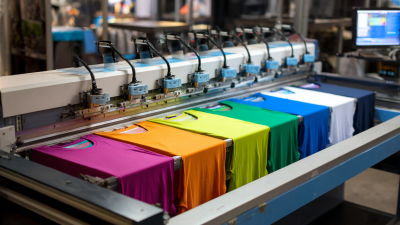
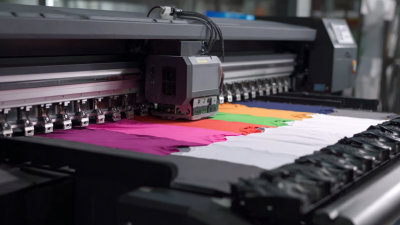
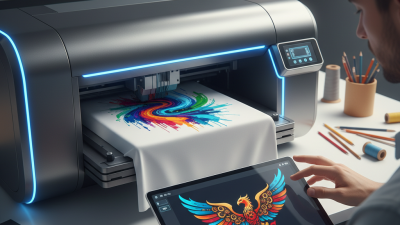
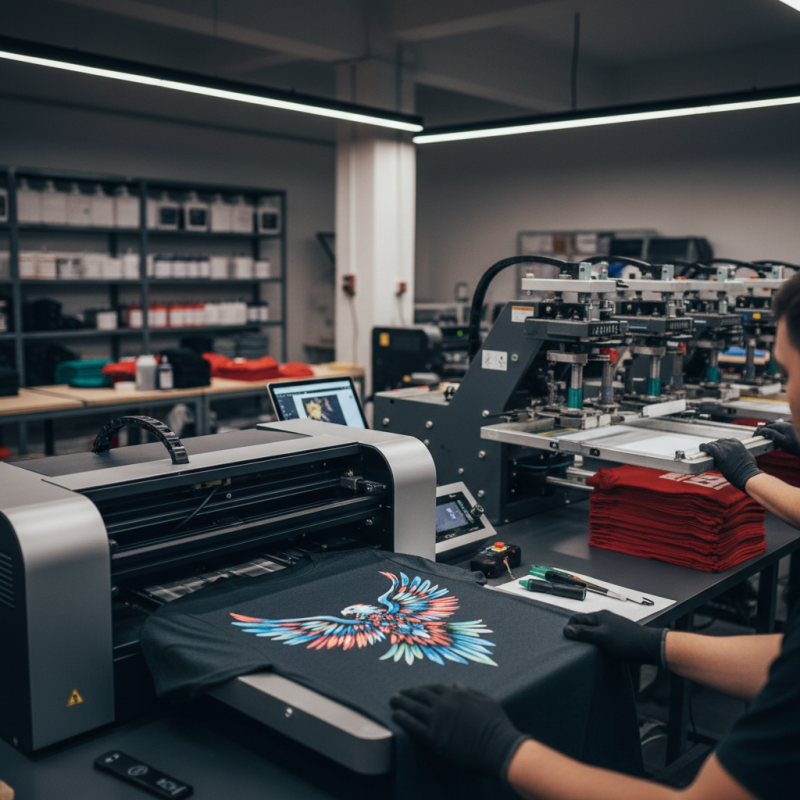
When selecting a T-shirt printing machine, understanding the various types available is crucial. The market primarily features three types: direct-to-garment (DTG), screen printing, and heat transfer. Each type suits different business needs and budgets. DTG machines excel in short runs and intricate designs. They use inkjet technology to print directly onto the fabric, achieving vibrant colors. According to industry reports, DTG can boost productivity by 40% for designs requiring high detail.
Screen printing is the traditional choice for bulk orders. It involves creating stencils and using them to apply layers of ink. This method is cost-effective for large quantities, reducing the per-shirt cost significantly. However, the setup time can be a drawback, especially for small runs. Data shows that businesses can save around 30% in costs when producing over 100 shirts per design compared to DTG.
Heat transfer printing offers flexibility and is favorable for small businesses. This technique uses heat to transfer a design onto fabric. It's ideal for customized orders. However, prints may not last as long as DTG or screen printing. Feedback often indicates that while it’s user-friendly, the longevity of the prints can be a concern if not done properly. Each printing type has its pros and cons, demanding careful consideration before investing.
Assessing Your Business Needs and Printing Volume
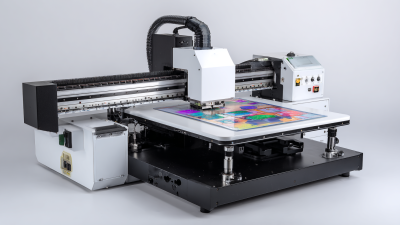
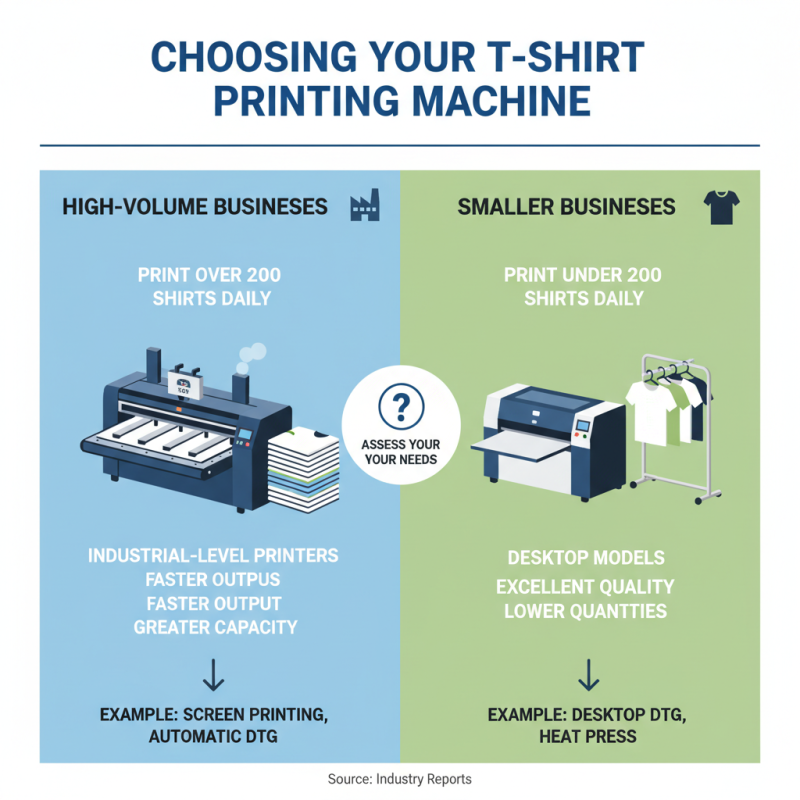
When choosing a T-shirt printing machine, understanding your business needs and printing volume is crucial. Start by assessing your production capacity. According to industry reports, businesses that print over 200 shirts daily often require industrial-level printers. These machines can handle larger volumes and provide quicker output. If your business is smaller, a desktop model might suffice, supporting lower quantities with excellent quality.
Next, consider the types of materials you'll print on. Some printers handle only cotton, while others can print on polyester or blends. Industry stats show that 70% of T-shirt businesses diversify their fabric options. This allows for more designs and a wider customer base. Evaluate your common orders. Are they mostly bulk or custom pieces? This impacts the machinery you need.
Finally, think about the growth of your business. If you anticipate expanding, invest in equipment that scales with your needs. However, it’s also essential to balance this with budget constraints. Many businesses regret overspending on machines that exceed current demands. This gap can hinder cash flow. Reflect on these factors as you make your decision.
Evaluating Print Quality and Machine Specifications
When selecting a T-shirt printing machine, print quality is crucial. High-quality prints attract customers. According to a recent market analysis, 70% of consumers judge a brand based on print quality. The specifications of the machine directly influence this outcome. Look for machines that offer high resolution, ideally 1200 DPI or more. This ensures that fine details and colors pop effectively.
Tips: Investigate the type of ink used. Eco-friendly inks can enhance your brand image while being kinder to the environment. They can also affect the longevity of prints. Generally, lower-quality inks may lead to fading, requiring reprints sooner than expected.
Additionally, consider the machine's speed and versatility. A machine that can handle various fabric types will expand your offerings. Reports indicate that businesses with flexible printing capabilities see a 30% increase in customer satisfaction. It's easy to overlook the importance of operating costs. Cheaper machines might skimp on features, leading to more issues over time. Reflecting on these aspects will help ensure a wise investment for your printing venture.
How to Choose the Best T Shirt Printing Machine for Your Business?
| Machine Model |
Print Quality (DPI) |
Printing Technology |
Max Print Size (inches) |
Production Speed (pcs/hr) |
| Model A |
1440 |
DTG |
16x24 |
30 |
| Model B |
1200 |
Screen Printing |
14x18 |
50 |
| Model C |
600 |
Heat Transfer |
10x12 |
20 |
| Model D |
720 |
Direct Transfer |
12x16 |
25 |
Considering Budget and Cost of Ownership
When considering a T-shirt printing machine, budget plays a crucial role. The initial cost might seem like a good deal, but hidden expenses can add up. Think about maintenance, ink, and replacement parts. These ongoing costs can affect your profitability. A low-cost machine may lead to higher operational costs later.
Tips: Always calculate the total cost of ownership. This includes not just the purchase price. Research maintenance costs and potential repairs. A machine that breaks down often can drain your budget quickly.
Evaluate your business scale as well. If you only print occasionally, a more affordable, lower-capacity machine might suffice. For larger operations, invest in a high-quality device that ensures speed and efficiency. Poor quality prints can hurt your brand. Reflect on how often you will use the machine and the durability you require.
Tips: Prioritize machines with good reviews on longevity. The right choice today can save money tomorrow. A balance between upfront costs and reliable performance will benefit your business in the long run. Think critically about your needs before making a decision.
Cost Analysis of T-Shirt Printing Machines
This chart illustrates the cost of ownership for various T-shirt printing machines. By comparing these values, businesses can make informed decisions based on their budget constraints and operational needs.
Researching Brands and Customer Reviews
When searching for the right T-shirt printing machine, customer reviews are invaluable. They provide real-life insights from those who have used the machines. A well-reviewed machine can save you money and time. Reading these testimonials can help you gauge the reliability and performance of potential choices. Look for details in the reviews. Users often mention aspects like print quality, setup ease, and customer service responsiveness.
Researching various brands is crucial. Every brand has its strengths and weaknesses. Some machines excel in speed while others focus on detail. Users may express dissatisfaction with certain features. For instance, a machine may jam frequently, causing frustration. Another common issue could be the difficulty in obtaining replacement parts. Pay attention to these red flags.
Also, consider the overall rating. A high rating doesn’t always mean perfection. Some reviews might be overly positive, glossing over flaws. Look for balanced feedback. It’s helpful if users share both pros and cons. This gives a fuller picture of what to expect. Reflect on the kind of printing you need. An informed decision can lead to better outcomes for your business.