Why Choose a T Shirt Printing Machine for Your Business?
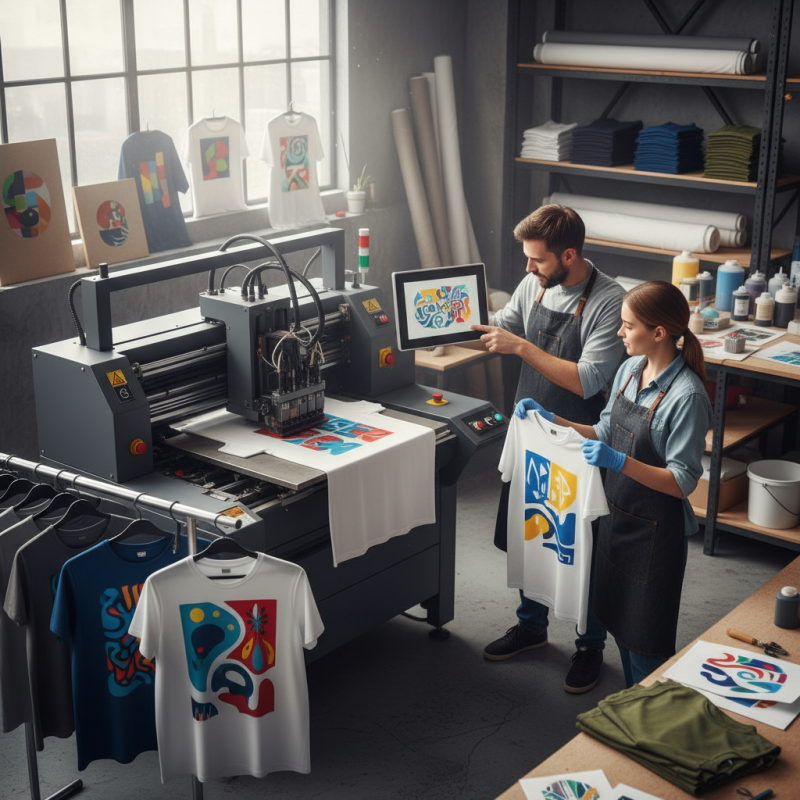
Choosing a T Shirt Printing Machine can transform your business. It opens doors to creativity and innovation. You can customize designs to cater to your customers' needs.
Investing in this machine enhances production efficiency. Imagine printing unique tees for local events or businesses. You can react quickly to trends, which is crucial. However, the initial cost might seem high. It's essential to evaluate your budget and potential returns.
The versatility of a T Shirt Printing Machine is impressive. It accommodates various fabrics and printing methods. This flexibility can set you apart from competitors. Yet, the learning curve is real. Mastering the machine takes time and effort. Embrace the challenges for long-term benefits.
Benefits of Using a T Shirt Printing Machine for Businesses
Choosing a t-shirt printing machine offers numerous benefits for your business. These machines allow for high-quality, customizable designs that cater to diverse customer preferences. You can create unique apparel that stands out in the market. This personalization can drive customer loyalty and boost sales.
Investing in a t-shirt printing machine also streamlines production. You can print on demand, reducing waste and inventory costs. With quick turnaround times, you can respond rapidly to trends. This flexibility can set your business apart from competitors.
Tips: Keep your designs fresh. Monitor trends and customer feedback. This will help you adapt quickly. Experiment with different printing techniques, too. Sometimes, a trial and error approach can lead to unexpected successes.
Quality matters. Machine settings must be adjusted carefully. It’s easy to overlook this, yet precision is key. Strive to minimize errors and enhance the final product. Your reputation relies on it.
Types of T Shirt Printing Machines: An Overview
When considering a t-shirt printing machine, there are several types to explore. Screen printing is a popular choice. It offers durability and vibrant colors. However, it may require a steep learning curve. Beginners often struggle with the setup. Careful attention is needed to prevent mistakes.
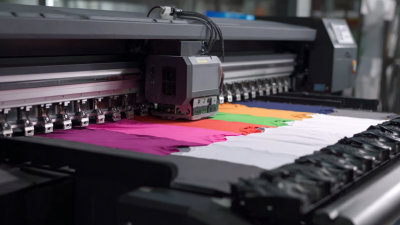
Another option is direct-to-garment (DTG) printing. This method uses inkjet technology. It allows for intricate designs and quick turnaround times. Yet, maintenance can be tricky. The ink may clog if not used frequently. Users sometimes overlook regular cleaning.
Heat transfer printing is also significant. It’s user-friendly and suitable for small batches. But, the quality can diminish over time. Some designs may crack or peel after washes. It’s crucial to consider these aspects before making a decision. You’ll need to reflect on your business needs and budget.
Key Features to Consider When Choosing a Printing Machine
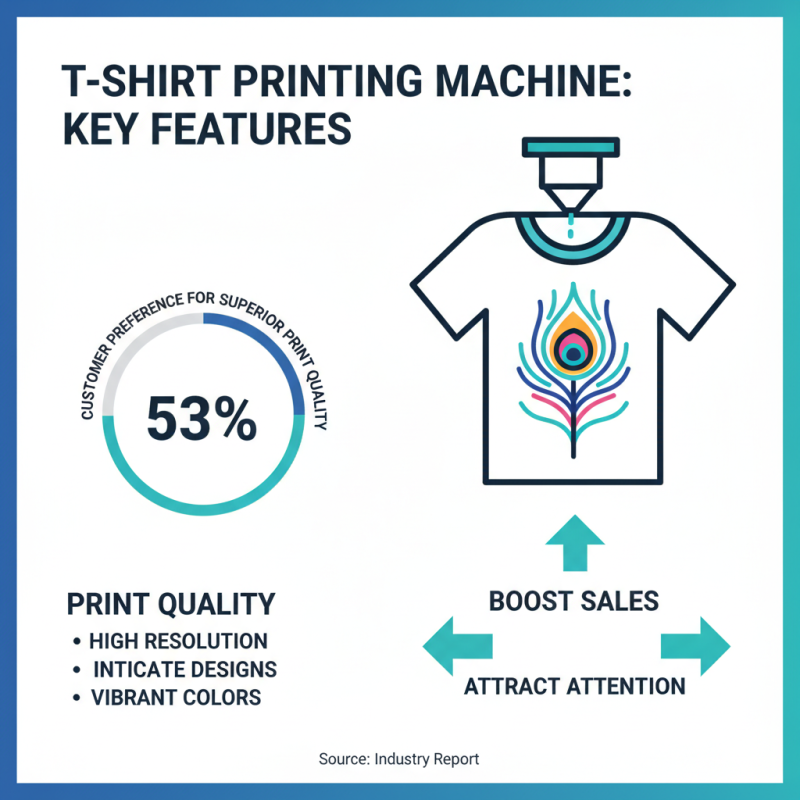
When considering a T-shirt printing machine, several key features come into play. Print quality is paramount. A machine that offers high-resolution printing can capture intricate designs and vibrant colors. According to a recent industry report, 53% of customers prefer products with superior print quality. This guarantees you attract attention and boost sales.
Speed is another critical factor. Businesses today operate in fast-paced environments. A machine that can deliver 50-100 shirts per hour without compromising quality is invaluable. This efficiency is essential, especially during peak seasons. However, it's crucial to remember that higher speed can sometimes mean reduced print quality. Balancing these aspects is vital for long-term success.
Consider the ease of use as well. A user-friendly interface can significantly reduce training time. Statistics show that 47% of business owners reported challenges with machine operation. Investing in a machine that simplifies this process can mitigate those issues. Ultimately, the right features will align with your business goals and customer demands.
Cost Analysis: Long-term Savings with In-house Printing
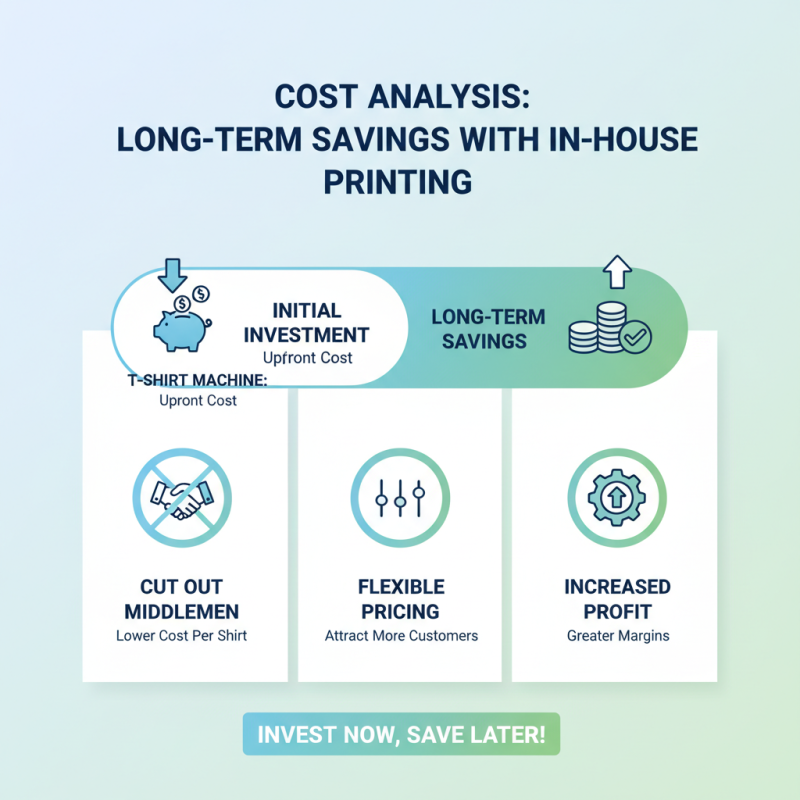
Investing in a T-shirt printing machine can greatly impact your business finances. Initially, the cost may seem significant. However, long-term savings can be substantial. In-house printing cuts out middlemen, which means lower costs per shirt. You can also adjust your pricing strategy freely. A flexible pricing approach can captivate your customers' interest.
Consider the waste generated from outsourcing. External printing can lead to unanticipated costs due to mistakes or overproduction. Having control allows for quick adjustments. You can learn from errors faster than relying on a third party. This responsiveness can turn potential losses into manageable challenges.
Think about storage too. Pre-printed inventory can take up valuable space and resources. With an in-house machine, you create on-demand prints. This reduces excess stock and eliminates storage issues. You operate leaner. While initial setup requires investment and learning, the potential for growth is significant. The path isn't without its challenges, but every misstep offers valuable lessons.
Impact of T Shirt Printing on Branding and Customer Engagement
T-shirt printing is a powerful tool for branding. When businesses create unique designs, they capture attention. Custom shirts can express values and personality. This connection leads to deeper customer engagement. People love to wear shirts that represent what they believe in. It’s about identity and community.
Tips to enhance your branding through T-shirt printing: Focus on quality. Poor fabric can ruin a design. Think about colors that resonate with your brand. Bright colors attract attention. Subtle hues can evoke feelings. Experiment with designs but stay true to your brand image.
Customer loyalty can grow through exclusive designs. Limited runs make shirts special. Customers feel they are part of something unique. Encourage feedback on designs. This can lead to mistakes but also improvements. Learning from customers will refine your brand's message, creating a stronger bond. Always consider their preferences.
Why Choose a T Shirt Printing Machine for Your Business? - Impact of T Shirt Printing on Branding and Customer Engagement
| Dimension |
Description |
Impact on Branding |
Customer Engagement |
| Customization Options |
Ability to create unique designs tailored to customer preferences. |
Enhances brand identity and recognition. |
Increases customer loyalty through personalized products. |
| Production Speed |
Efficient printing process allows high-volume production. |
Promotes timely launches of new campaigns. |
Keeps customers engaged with fresh inventory. |
| Cost Efficiency |
Lower cost per unit compared to outsourced printing. |
Allows for competitive pricing strategies. |
Enables promotions and discounts to engage customers. |
| Quality Control |
Direct oversight of the printing process ensures high-quality output. |
Builds trust in the brand through consistent quality. |
Encourages repeat purchases from satisfied customers. |
| Market Trend Responsiveness |
Quick adaptation to changing design trends and customer demands. |
Keeps the brand relevant in a competitive market. |
Enhances engagement through trendy offerings. |