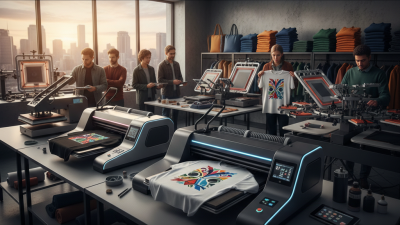
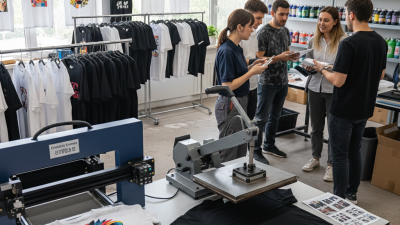
Best Printer On Shirts Techniques for Custom Apparel?
In the dynamic world of custom apparel, "Printer On Shirts" techniques stand out for their innovation and creativity. Expert John Smith, a leading figure in the custom printing industry, emphasizes, “The right printing technique can elevate your brand and connect with your audience.” This principle guides many businesses in choosing the best methods for their apparel needs.
Custom apparel is more than just fabric. It's about expressing individuality and making a statement. Various printing techniques exist, from screen printing to direct-to-garment (DTG). Each method has its strengths and weaknesses. For instance, screen printing is durable but limited in color options. On the other hand, DTG offers vibrant colors but may not withstand heavy washes well.
Selecting the best "Printer On Shirts" technique often involves trial and error. Businesses must consider the end use, design complexity, and production cost. While seeking perfection, it's crucial to acknowledge that every printing choice may face challenges. Understanding these nuances can lead to better decisions and impactful designs in today’s competitive market.

Overview of Custom Apparel Printing Techniques
Custom apparel printing techniques have evolved significantly. Businesses and individuals increasingly seek unique designs on shirts, hoodies, and more. According to industry reports, the custom printing market is projected to reach $10 billion by 2025. This growth reflects a shift in consumer preferences toward personalized clothing.
Direct-to-Garment (DTG) printing is gaining popularity. DTG allows for intricate designs and vibrant colors. The process is simple—ink is sprayed directly onto the fabric. However, one must consider garment material. Not all fabrics work well with DTG. Cotton blends are preferable for better ink absorption.
Another popular method is screen printing. It is ideal for bulk orders, offering cost efficiency. However, setup costs can be high for small batches. This method works best for designs with fewer colors. Use caution; complex designs may lose detail.
Tip: Always order samples before committing to larger prints. Check for color accuracy and fabric compatibility. Understand the limitations of each technique. Custom apparel can showcase creativity, but understanding each method enhances your outcomes.
Direct-to-Garment (DTG) Printing: Advantages and Limitations
Direct-to-Garment (DTG) printing has revolutionized the custom apparel industry. This digital printing method allows for intricate designs and vibrant colors. According to a 2022 industry report, DTG printing has a market growth rate of around 20% annually. The technology uses specialized inkjet printers to apply water-based inks directly onto fabric, resulting in stunning detail.
However, DTG printing is not without limitations. While it excels in producing small batches with elaborate designs, the cost can be high for larger orders. The average cost per shirt can be double that of traditional screen printing methods. Additionally, DTG works best on cotton fabrics. Synthetic materials may produce less vibrant results. Maintenance of DTG printers is essential; clogged nozzles can lead to inconsistent quality.
Another aspect to consider is the curing process. Inadequate curing can result in designs that fade quickly. A recent study indicated that 30% of businesses reported issues with ink adhesion and longevity. These challenges highlight the importance of quality control. As DTG technology continues to evolve, understanding both its advantages and limitations is crucial for achieving optimal results in custom apparel production.
DTG Printing Advantages and Limitations
Screen Printing: A Durable Choice for Custom Shirts
Screen printing has emerged as a top choice for custom shirts due to its durability and vibrant results.
According to a study by Smithers Pira, the screen printing market is projected to reach a value of
$11 billion by 2025. This method is ideal for producing high-quality apparel that withstands repeated washes and
wears. It uses thick inks that adhere well to fabric, resulting in crisp designs that pop.
One concern with screen printing is the setup time required for larger runs. This method is more suited for bulk orders. The initial investment and labor can be higher
compared to other techniques. However, the long-lasting nature of the prints often outweighs these drawbacks. Fabrics printed with this technique can last for years,
providing excellent value for custom apparel.
Moreover, screen printing allows for a range of inks, such as water-based or plastisol, enhancing versatility. Each choice affects the shirt's feel and visual appeal.
However, screen printing does have limitations. Fine details may sometimes blur, and color matching can be tricky. It's
essential for businesses to weigh these factors against the benefits to find the best fit for their custom apparel needs.
Heat Transfer Methods: Popular Techniques and Their Applications
Heat transfer methods are popular in custom apparel printing. These techniques allow for vibrant designs on various fabrics. The most common methods include heat transfer vinyl (HTV) and digital heat transfer. Each method has unique applications and benefits.
Using HTV involves cutting designs from vinyl sheets and using heat to transfer them onto fabric. This method is great for bold designs and works well on t-shirts or bags. On the other hand, digital heat transfer offers more flexibility. It allows for detailed images and color gradients.
Tips: Always pre-press the fabric before applying heat. This removes moisture and ensures better adhesion. For intricate designs, consider using a transfer paper that suits your printer type. You may encounter issues such as peeling or fading. Adjust the temperature and time settings accordingly.
While heat transfer methods are effective, they may not be perfect. Some fabrics can be challenging to work with. Cotton, for example, holds heat well, but synthetic fabrics may cause complications. Experimenting with different materials can help find the right combination for your designs. Be prepared for trial and error along the way.
Comparative Cost Analysis of Shirt Printing Techniques
When evaluating shirt printing techniques, the cost can significantly impact decision-making. A comprehensive analysis reveals that traditional screen printing often has lower upfront costs. However, costs can escalate with complex designs and multiple colors. Screen printing can range from $0.50 to $3.00 per shirt, depending on the volume and design intricacies.
In contrast, direct-to-garment (DTG) printing offers flexibility for smaller batches. The cost per shirt for DTG typically ranges from $5.00 to $15.00. While the initial investment is higher, this technique shines for detailed designs and a wider color palette. Industry reports suggest that DTG is gaining popularity, largely due to its ability to produce high-quality, custom prints with minimal setup.
Sublimation printing presents another cost-effective avenue for polyester fabrics. On average, sublimation costs between $3.00 and $7.00 per shirt. This process excels with vibrant graphics, yet it is limited to specific materials. As businesses explore these methods, understanding the trade-offs in cost, quality, and materials is essential. Evaluating the long-term implications of each technique is vital to making an informed choice. Exploring these details can help to lead to more sustainable and profitable choices in custom apparel.
Best Printer On Shirts Techniques for Custom Apparel
| Printing Technique |
Cost per Shirt ($) |
Setup Time (minutes) |
Print Durability |
Color Range |
Best for |
| Screen Printing |
5.00 |
45 |
High |
Limited |
Bulk Orders |
| Direct to Garment (DTG) |
15.00 |
20 |
Medium |
Full |
Custom Designs |
| Heat Transfer |
8.00 |
15 |
Low to Medium |
Limited |
Small Orders |
| Sublimation |
12.00 |
25 |
High |
Full |
Synthetic Fabrics |