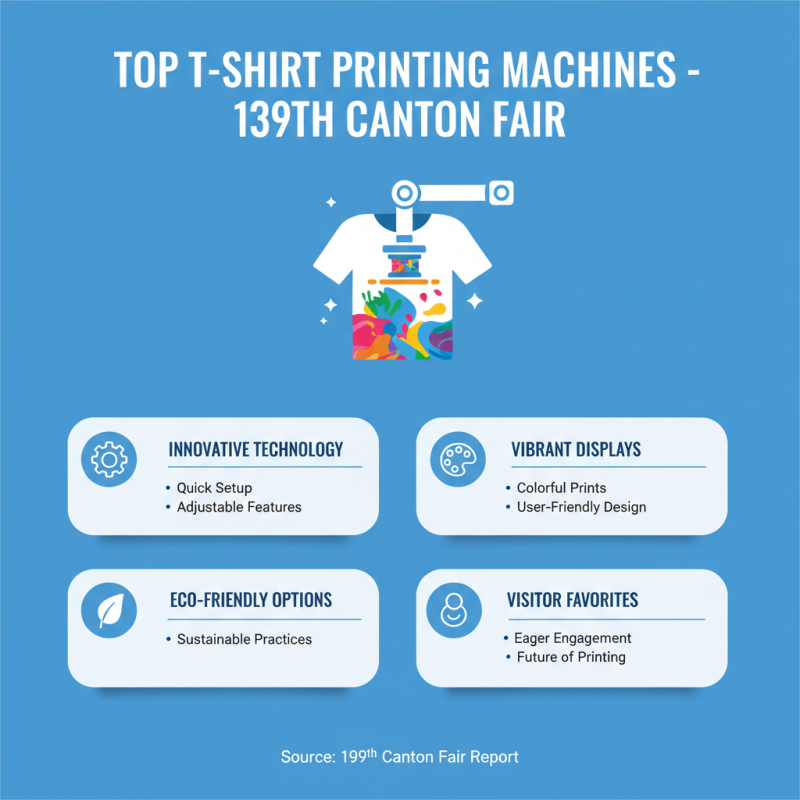
What is the Best T Shirt Printing Machine at the 139th Canton Fair?
The 139th Canton Fair is set to showcase the latest innovations in various industries, including T Shirt Printing Machine technologies. With dates scheduled from April 15 to May 5, 2026, the fair aims to connect buyers and suppliers efficiently. The introduction of AI search and smart navigation tools will enable attendees to find exhibitors based on specific qualifications like ISO and CE certifications.
During the textile and apparel segment, the spotlight will be on advanced printing machines. Attendees can expect a variety of options that enhance printing quality and speed. However, with so many choices, it may be challenging to discern which T Shirt Printing Machine is the best fit for unique business needs. Each machine offers different features. Some excel in speed, while others focus on detail and customization.
Buyers should assess their requirements carefully. This will help them navigate the fair’s vast exhibition space. It's important to reflect on the long-term returns on investment when selecting a printing machine. Not all machines are created equal, and potential buyers should weigh quality against cost. The right choice can make a significant difference in the competitive market of textiles.
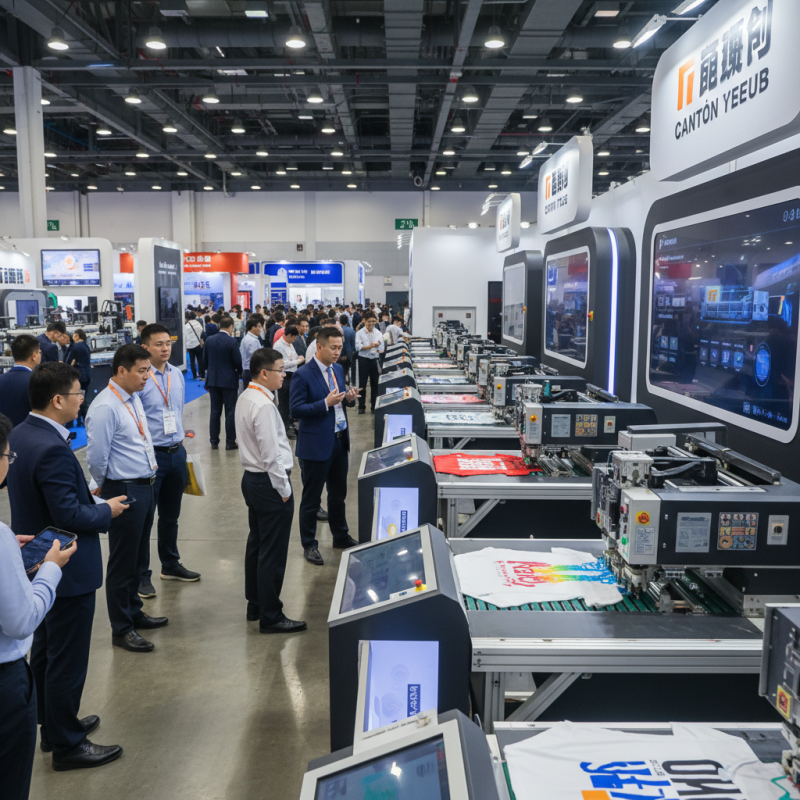
Overview of the 139th Canton Fair: Focus on T-Shirt Printing Machines
The 139th Canton Fair showcased a variety of T-shirt printing machines. This fair is a significant event for manufacturers and buyers alike. Attendees explored new technologies and innovative designs, making it an exciting venue. The hall buzzed with professionals eager to see the latest advancements.
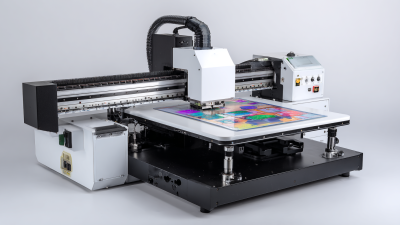
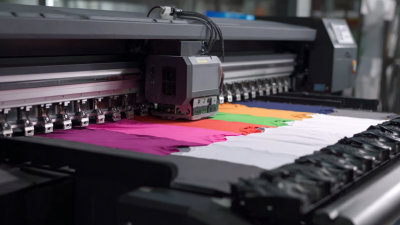
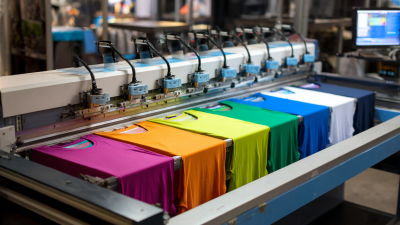
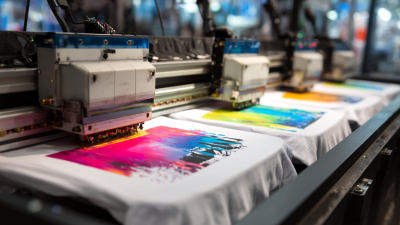
Various printing methods were featured at the fair, including screen printing and direct-to-garment methods. Each machine had unique capabilities. Some produced vibrant colors quickly, while others offered precision and detail. However, not every machine lived up to expectations. Some demonstrations failed to impress, raising questions about reliability.
The fair also emphasized sustainability. Many exhibitors highlighted eco-friendly materials and processes. This is a crucial point for many modern businesses. As the industry evolves, balancing efficiency and environmental impact becomes essential. Buyers must ponder the long-term benefits of their choices.
Key Features to Consider in T-Shirt Printing Machines
When exploring the best t-shirt printing machines at the 139th Canton Fair, several key features stand out. The printing method is crucial. Direct-to-garment (DTG) and heat transfer printing are popular choices. DTG offers high-quality images, but can be slow. Heat transfer is faster but may not match DTG in detail.
Speed of production also matters. According to recent industry reports, machines that can print at least 100 shirts per hour are becoming the standard. Look for models offering flexibility in design options. Many customers now prefer customizing products. Machines that allow for quick design changes can capture this market effectively.
Tips: Consider the maintenance costs associated with your chosen machine. Some may require frequent repairs or special inks, impacting your budget. Don't overlook software compatibility, as some machines work better with certain design programs. Do your homework.
Be aware of the limitations. Not every machine handles various fabric types uniformly. Cotton, polyester, and blends may all react differently. Testing is essential to ensure quality control. A machine that excels in one area may not perform as well in another. Watch out for these discrepancies.
Comparing Performance and Price of Leading Machines
At the 139th Canton Fair, t-shirt printing machines attracted significant attention. Many companies showcased their latest models. Each machine promised unique features, targeting various market needs. Some machines boasted high-speed printing, while others emphasized quality and color vibrancy.
When comparing performance, speed is a key factor. Some machines can print a shirt in under a minute. However, this rapid output might sacrifice detail. Buyers should consider what matters most: speed or quality? Pricing also varies widely. Low-cost options might appeal initially, but long-term reliability is crucial.
Potential buyers should think about maintenance costs, too. Some machines require frequent servicing, which can add up. Others have user-friendly designs, simplifying upkeep. As you weigh options, reflect on your specific needs and budget. The best choice is not always the most expensive or the fastest.
What is the Best T Shirt Printing Machine at the 139th Canton Fair?
| Model |
Printing Technology |
Max Print Size (inches) |
Speed (units/hour) |
Price (USD) |
| Model A |
DTG |
16 x 20 |
50 |
3,500 |
| Model B |
Screen Printing |
24 x 36 |
100 |
5,000 |
| Model C |
Transfer Printing |
14 x 18 |
30 |
2,000 |
| Model D |
Dye Sublimation |
18 x 24 |
70 |
4,500 |
Future Trends in T-Shirt Printing Technology at Trade Shows
The 139th Canton Fair showcases the latest in T-shirt printing technology. One notable trend is the rise of eco-friendly printing methods. Many manufacturers are shifting toward sustainable inks and materials. This focus aligns with growing consumer demand for environmentally responsible products.
Moreover, digital printing systems are gaining popularity. They offer quick turnarounds and high customization. Businesses can create unique designs on-demand. However, the initial cost can be a barrier for smaller manufacturers. There is still a need to balance quality and expense. Consumers expect precision, but price remains a concern.
Trade shows like the Canton Fair also highlight automation in T-shirt printing. Automated machines can increase efficiency and reduce labor costs. However, adapting to new technology requires training. Some companies struggle with the adjustment. The industry must find ways to support these transitions effectively.