Top Trademark Printing Machine Trends to Watch in 2026?
In the ever-evolving landscape of branding, Trademark Printing Machines are becoming increasingly crucial. Recent industry reports indicate a projected growth rate of 7.5% in the global printing machine market by 2026. This trend highlights the growing demand for advanced, efficient printing solutions tailored for branding purposes. Companies are now seeking machines that offer high precision and versatility, catering to various printing needs.
As businesses strive to stand out, the importance of trademark printing cannot be overstated. In 2022, nearly 40% of companies reported investing in innovative printing technologies. This investment is driven by the need for high-quality, customizable printed materials that reflect brand identity. However, challenges remain. Many companies still struggle with integration and cost management of new technologies.
Looking ahead, it's necessary to reflect on the balance between quality and affordability in Trademark Printing Machines. While advancements are promising, there are still aspects that require careful consideration. Brands must evaluate their requirements deeply before adopting new technologies. Ensuring a thoughtful approach will lead to more effective and sustainable branding solutions in the coming years.

Emerging Technologies in Trademark Printing Machines for 2026
In recent years, trademark printing machines have evolved rapidly. By 2026, several emerging technologies are set to reshape the industry. These innovations focus on efficiency, sustainability, and customization. A report from the Printing Industries of America predicts a 15% increase in demand for high-speed, eco-friendly printers in the coming years.
One significant trend is the use of artificial intelligence in the printing process. AI integrates data analytics and machine learning. This enhances precision and reduces waste. According to industry forecasts, businesses using AI-driven printers can expect to cut costs by 20%. This means less material wasted and a more sustainable operation.
Tips: Consider investing in machines with AI capabilities. They not only improve production but could also lower expenses.
Another development is the rise of 3D printing technology. This allows for more intricate designs and rapid prototyping. Companies exploring 3D printing could encounter challenges, such as initial setup costs. However, the potential for unique trademark applications is vast.
Tips: Research the latest 3D printer models. Understand the potential trade-offs before making a commitment.
Embracing these technologies may not be a straightforward journey. Companies must balance costs with innovation. Keeping an eye on these evolving trends will be crucial for success in the trademark printing industry by 2026.
Integration of Automation and AI in Printing Processes
The printing industry is seeing a significant shift with the integration of automation and artificial intelligence (AI). By 2026, it's estimated that 50% of printing processes will utilize automation technologies. These innovations promise faster production times and increased efficiency. AI can analyze data to optimize print quality, ensuring that every print job meets rigorous standards.
Many businesses still underestimate the impact of AI in their processes. Incorporating smart algorithms can reduce waste and minimize human error. Early adopters are already reporting a 20% reduction in operational costs. The trend suggests that those who resist this change may struggle to compete in a rapidly evolving market.
Tips: Consider investing in training for your team to effectively use AI tools. Regularly review your processes to identify areas where automation can save time. It’s essential to stay informed about new technologies, even if the shift feels daunting. Embracing these advancements can lead to sustainable growth and improved quality.
Top Trademark Printing Machine Trends to Watch in 2026
This chart illustrates the projected growth in the adoption of automation and AI technologies in printing processes by 2026. The data reflects various aspects including automation level, AI integration, and overall efficiency improvements in the trademark printing industry.
Market Predictions: Demand and Growth of Trademark Printing Machines
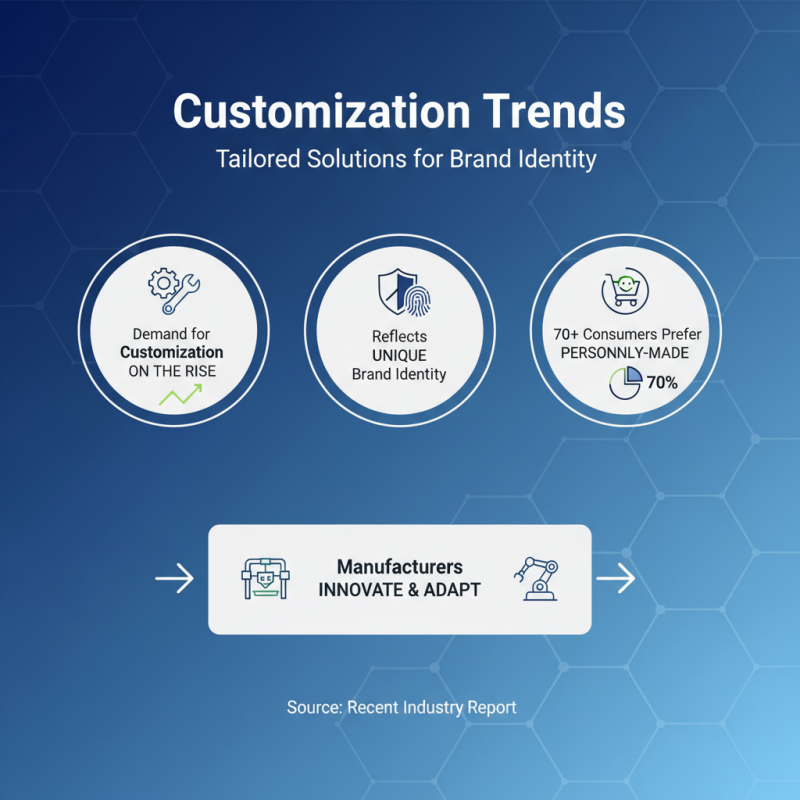
The market for trademark printing machines is anticipated to see significant growth by 2026. Demand is fueled by increasing customization needs across various industries. Businesses want to stand out. Therefore, they seek unique labeling solutions. This rising trend focuses on quality and efficiency, pushing manufacturers to innovate continually.
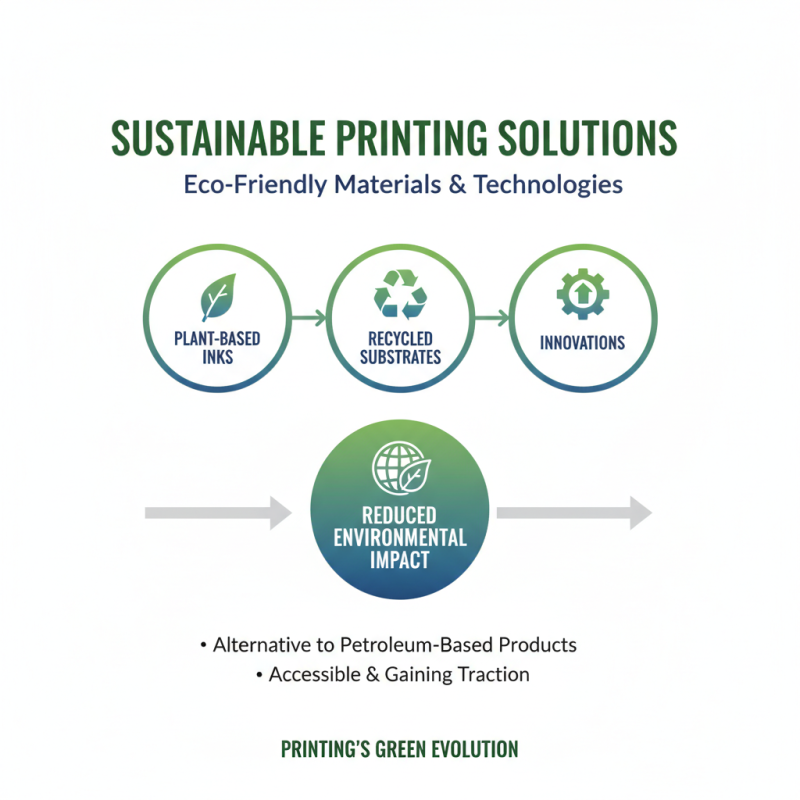
Advanced technologies will reshape this sector. Companies are investing in eco-friendly materials and reducing waste. Customers are now more conscious of sustainability. However, some manufacturers may struggle with the transition. There could be challenges in integrating these green practices while maintaining cost-effectiveness. This duality highlights the need for careful planning.
Another notable trend is the shift towards automation. Automated machines are becoming more prevalent. They offer faster production times and reduced labor costs. Yet, the reliance on automation may lead to job concerns. Balancing technology and human needs is crucial for future growth. As the trademark printing landscape evolves, businesses must adapt and rethink their strategies.
Top Trademark Printing Machine Trends to Watch in 2026
| Trend |
Description |
Expected Growth Rate (%) |
Market Demand (Units) |
| Increased Automation |
Integration of advanced automated systems to boost efficiency and reduce labor costs. |
15% |
150,000 |
| Sustainability Focus |
Adoption of eco-friendly materials and processes in trademark printing technologies. |
20% |
200,000 |
| Digital Printing Innovations |
Rise of digital printing solutions offering high-quality, customizable outputs at lower costs. |
18% |
175,000 |
| Smart Technology Integration |
Utilization of IoT and AI to monitor and optimize printing processes in real-time. |
25% |
120,000 |
| Customization Trends |
Growing demand for custom-printed materials tailored to specific customer needs. |
22% |
180,000 |