Top 10 T Shirt Design Machines for Your Creative Journey?
The T Shirt Design Machine industry is evolving rapidly. With the increasing demand for personalized apparel, these machines are becoming essential tools for designers. According to a report by Grand View Research, the global custom t-shirt printing market is projected to reach $3.64 billion by 2025. This growth highlights the significant role T Shirt Design Machines play in the creative journey of individuals and businesses alike.
Industry expert, Jane Smith, emphasizes, “The right T Shirt Design Machine can elevate creativity and streamline production.” Her insights reflect the importance of choosing the right equipment. However, many newcomers face challenges. They often overlook features like ease of use or software compatibility. This oversight can lead to frustration and wasted resources.
As technology advances, machines must keep up. Not all T Shirt Design Machines deliver consistent results. Users need to consider quality over quantity. Investing in a high-quality machine can yield better outcomes. Selecting the right machine remains a critical decision for aspiring designers.
Understanding T-Shirt Design Machines and Their Importance
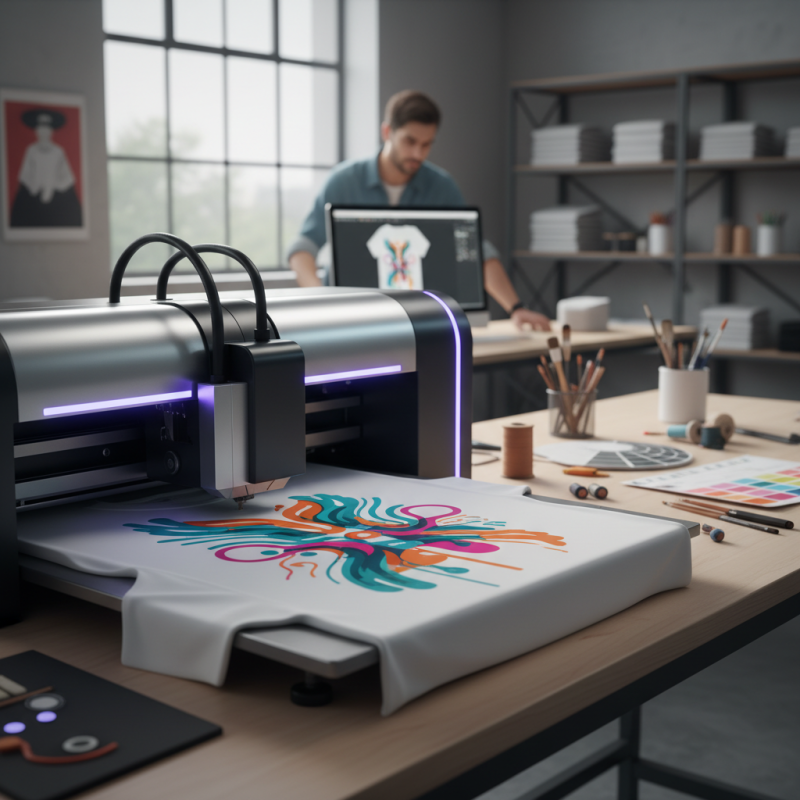
T-shirt design machines have revolutionized the apparel industry. Their importance cannot be overstated. According to industry data, global demand for custom apparel is projected to reach $10 billion by 2025. This growth highlights the critical role these machines play in empowering creativity.
These machines allow designers to transform ideas into tangible products quickly. Advanced printing technology enables intricate designs that were once hard to achieve. However, relying solely on technology can lead to a loss of the human touch. Designers must balance machine efficiency with personal creativity.
Another point of reflection is the environmental impact. The rapid production capabilities can lead to waste. It's essential for designers to consider sustainable options. As the industry evolves, understanding these principles will remain vital. Making thoughtful choices will shape the future of T-shirt design.
Key Features to Look for in T-Shirt Design Machines
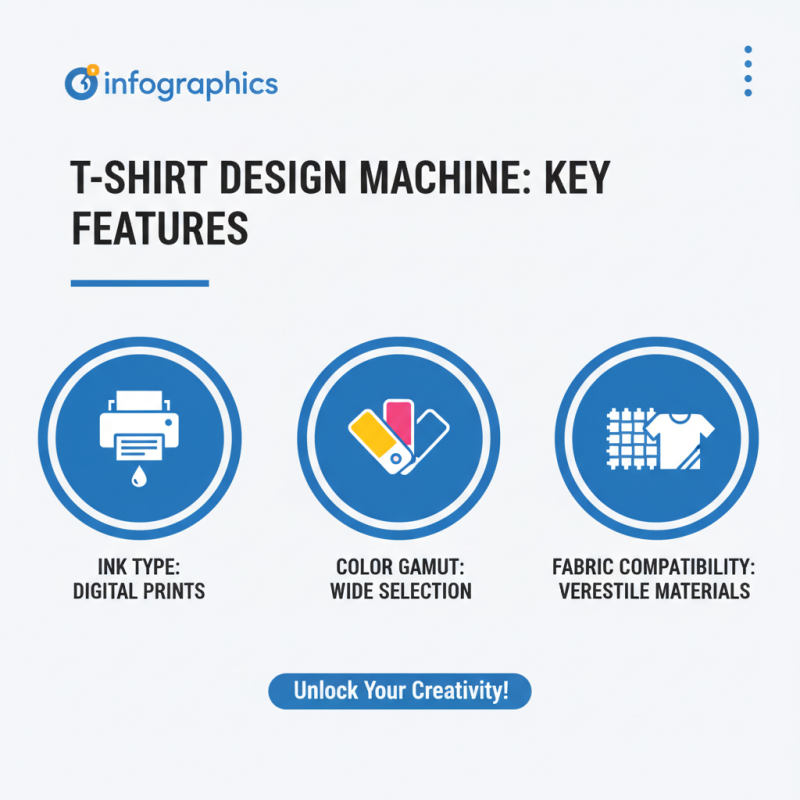
When choosing a T-shirt design machine, several key features can greatly influence your creative process. Ink type is essential. Digital printing methods can yield vibrant results. However, some machines may have limitations on color and fabric compatibility. A study showed that 73% of users prefer machines that provide a wider ink palette. If you’re aiming for intricate designs, this is crucial.
Another important feature is ease of use. Many aspiring designers struggle with complex software. A user-friendly interface can significantly enhance the design experience. According to recent surveys, 68% of designers prioritize simplicity in design tools. Machines that offer intuitive controls and clear instructions can help reduce frustration. It's vital to find a balance between advanced features and user accessibility.
In addition, build quality is worth considering. Durable machines can withstand the demands of regular use. Many reports suggest that machines with solid construction are more reliable and last longer. However, keeping an eye on maintenance needs is critical. Some may require frequent adjustments, which can disrupt workflow. Reflecting on these aspects can help improve your creative journey significantly.
Top 10 Recommended T-Shirt Design Machines for Creators
When diving into the world of t-shirt design, choosing the right machine can feel overwhelming. The market offers various options tailored for different design styles. Each machine brings unique features that cater to specific creative needs. Some may excel in print quality, while others focus on speed or versatility. This mix can create confusion for those just starting their journey.
Consider the ease of use. It plays a crucial role in your design process. A complicated interface can stifle creativity. On the contrary, an intuitive design machine can empower you. Think about the materials you’ll use. Not all machines handle every type effectively. You might face challenges if you pick one that isn’t compatible with the fabric or ink you prefer.
It's also essential to reflect on your long-term goals. Will you want to expand your designs later? Some machines limit you in this aspect. Perhaps some features will seem unnecessary now, but they may be vital for future projects. A thoughtful approach can guide you toward the right choice. Remember, the right tool fosters creativity but doesn’t dictate it.
Comparison of T-Shirt Design Machines: Pros and Cons
When considering T-shirt design machines, there are various options on the market. Each machine has its unique features, which can influence your creative journey significantly. Some machines prioritize speed and efficiency, while others excel in detail and design intricacies. If you want vibrant colors, some machines may deliver, but are often complex to operate. Simplicity can sometimes mean sacrificing quality, leading to mixed results.
Many users have expressed frustration with complicated setups that are not user-friendly. The learning curve can be steep, particularly for beginners. Some machines require specific materials that aren’t always easy to find. While they may produce high-quality prints, the maintenance can be time-consuming. Additionally, the initial investment might not suit everyone’s budget.
On the other hand, certain machines offer a balance of affordability and functionality. These can be ideal for DIY projects or small-scale production. However, the prints may not withstand the test of time. Regular temperature variations can affect the print quality over time. Artists need to weigh the pros and cons carefully. Crafting the perfect T-shirt might be a delightful journey, but it demands attention to both detail and practicality.
Tips for Maximizing Your T-Shirt Design Machine Experience
When embarking on your T-shirt design journey, utilizing your machine effectively is crucial. Start by familiarizing yourself with the features and functionalities. Different machines have varying capabilities, and understanding these can enhance your creative process. A recent industry report highlighted that 70% of designers felt their productivity increased after mastering their design machines. This reflects the importance of hands-on experience.
Experimentation plays a significant role in design. Don't shy away from trying new techniques. A survey indicated that 60% of designers gained fresh ideas after testing unconventional methods. If a design doesn't turn out as expected, use it as a learning opportunity. Embrace imperfections. These can lead to unexpected innovations.
Additionally, consider community engagement. Joining design groups or forums can provide new insights. Nearly 55% of successful designers credit collaboration as a key factor in their growth. Sharing experiences with others can spark inspiration and motivate your progress. Remember, the design process is iterative. Each mistake can be a stepping stone to success.
Top 10 T Shirt Design Machines for Your Creative Journey
| Model |
Print Technology |
Max Print Size |
Color Varieties |
Ease of Use |
| Model A |
DTG |
14" x 16" |
16 |
Very Easy |
| Model B |
Screen Printing |
12" x 15" |
8 |
Moderate |
| Model C |
Heat Transfer |
10" x 12" |
10 |
Easy |
| Model D |
Sublimation |
16" x 20" |
12 |
Moderate |
| Model E |
DTG |
14" x 18" |
20 |
Very Easy |
| Model F |
Screen Printing |
15" x 15" |
6 |
Difficult |
| Model G |
Heat Press |
12" x 14" |
8 |
Easy |
| Model H |
DTG |
13" x 18" |
15 |
Very Easy |
| Model I |
Sublimation |
16" x 24" |
15 |
Moderate |
| Model J |
Heat Transfer |
14" x 16" |
12 |
Easy |