Top 10 Sleeve Printing Machines for Global Buyers Today?
In the competitive world of printing, choosing the right equipment is vital. The Sleeve Printing Machine stands out as a versatile tool for various industries. This machine offers efficiency and reliability, meeting the diverse needs of global buyers.
With advancements in technology, sleeve printing has evolved. Modern machines now provide higher quality and faster production speeds. However, not every machine is perfect. Buyers must consider factors such as cost, maintenance, and availability of parts. Many users have faced challenges with specific models, which raises essential questions about reliability.
Understanding the key features is crucial for making an informed decision. Buyers should prioritize machines that are easy to operate and maintain. Additionally, researching user reviews adds valuable insights. Each sleeve printing machine has its strengths and weaknesses, and knowing them can prevent costly mistakes.
Key Features to Consider in Sleeve Printing Machines
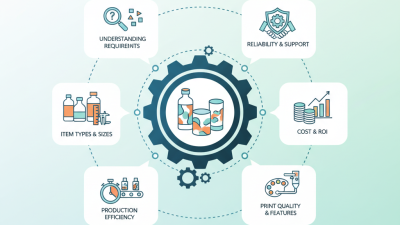
When selecting a sleeve printing machine, specific key features can significantly impact operational efficiency.
First, consider the machine's printing speed.
According to a report by Smithers Pira, the global market for digital printing is expected to reach $187 billion by 2029.
Faster machines can yield more products, crucial for high-demand periods.
Another important aspect is the machine's compatibility with various materials.
For instance, some machines excel with flexible films, while others work better with rigid substrates.
Flexibility in materials can enhance your production capabilities and broaden market reach.
Tips: Always assess the user interface. Machines with intuitive controls can minimize training time. Regular maintenance schedules can also prolong machine life, ensuring consistent quality.
Lastly, think about the size and footprint. Compact machines can save valuable floor space, but larger machines may offer more features.
Balancing these factors is vital. Ultimately, select a machine that aligns with your production needs and volume requirements for maximum efficiency.
Remember, the right choice today can enhance your competitive edge in the future.
Top Brands of Sleeve Printing Machines in the Global Market
The sleeve printing machine market has seen rapid advancements. Various brands are innovating to meet global demand. According to recent data, the global sleeve printing machine market is projected to grow significantly, reaching USD 12 billion by 2025. This growth is driven by increasing demand for customized packaging solutions worldwide.
Among the top players in the industry, many focus on enhancing efficiency and print quality. The demand for eco-friendly printing technologies is also on the rise. Manufacturers are investing in sustainable practices. This shift goes beyond just meeting regulations; it appeals to environmentally-conscious consumers.
Tips: When choosing a sleeve printing machine, consider your production volume. Know your specific needs. A machine that is versatile may save you cost in the long run. Think about the learning curve for your staff. Sometimes, a more complex machine may not be worth the investment.
Overall, the sleeve printing sector continues to evolve, driven by technology and sustainability trends. However, companies must reflect on their choices. Are they optimizing their production? Are they considering the long-term implications of their investments?
Comparison of Technologies Used in Sleeve Printing Machines
In the evolving world of sleeve printing, technology plays a crucial role. Key technologies include flexography, digital printing, and rotary screen printing. Flexography is widely recognized for its efficiency and speed. According to a report by Smithers Pira, flexographic printing accounts for over 41% of the global label market. This makes it a preferred choice in high-volume production.
Digital printing has gained traction as well. It allows for customizable designs with shorter production runs. A recent study from the Association for Print Technologies states that digital printing is expected to grow by 20% annually. This shift demonstrates market demand for versatility. Many buyers are drawn to the quick turnaround that digital processes provide.
Tip: Consider your production needs carefully. If speed is paramount, flexography might be the answer. For more artistic designs, explore digital options.
Every technology has strengths and weaknesses. Flexography might not be suitable for short runs. Digital printing can be more expensive for large volumes. Understanding these nuances is key to making an informed decision.
Tip: Conduct thorough research before investing. Assessing your specific requirements can save time and resources later.
Top 10 Sleeve Printing Machines - Technology Comparison
User Reviews: Performance of Leading Sleeve Printing Machines
In recent studies, sleeve printing has gained considerable traction in the packaging industry. A 2022 market report highlighted that 45% of packaging professionals now prefer sleeve printing for its versatility. User feedback reflects this trend. Many users emphasize the efficiency of modern sleeve printing machines. Speed is a critical factor. Some machines reportedly achieve speeds of up to 150 products per minute.
However, not all experiences are positive. While some users rave about the vibrant color quality, others express concerns over the learning curve. Certain models require extensive training to operate effectively. The transition from traditional printing methods can be challenging. User reviews suggest that inadequate guidance can lead to inconsistent print quality.
Moreover, maintenance issues have been highlighted. Users noted that some machines demand regular upkeep to sustain performance levels. Neglecting these maintenance needs can lead to downtime. Data from recent surveys indicates that 25% of businesses faced unexpected machine failures. This unpredictability can disrupt production schedules. On the whole, while user reviews generally praise sleeve printing machines, potential improvement areas remain.
Cost Analysis of Sleeve Printing Machines for Buyers Worldwide
When considering sleeve printing machines, understanding the cost is crucial. Prices can vary significantly based on features and technology. Basic machines may start at a few thousand dollars. More advanced models, with additional features, can exceed $50,000.
Buyers must analyze long-term costs beyond the initial purchase. Maintenance, ink, and operator training contribute significantly. A lower upfront cost might lead to higher operational expenses. Choosing a mid-range machine could strike a balance between upfront affordability and reliability. Each buyer's specific needs must guide their decision-making process.
While many machines offer superior quality, not all are user-friendly. Some require extensive training, which could increase initial costs. Potential issues in production can emerge from unfamiliarity with the machine. Buyers should assess their team's proficiency before making a purchase. Understanding operational difficulties is essential for maximizing productivity and minimizing hassles.