Top 10 Screen Printing Machines for Every Budget and Need?
In the world of custom apparel and merchandise, the right Screen Printing Machine can make all the difference. Industry expert Joe Smith, a renowned screen printing specialist, once said, “Choosing the right machine is crucial for quality and efficiency.” With numerous options available, selecting the perfect machine for your needs can feel overwhelming.
Screen printing is an art and a science, requiring the right tools for success. Budget constraints, production requirements, and personal preferences all play significant roles in the decision-making process. Each Screen Printing Machine varies in price, capabilities, and ease of use. Some machines are designed for beginners, while others cater to seasoned professionals looking for advanced features.
Navigating through the choices requires reflection on your specific needs. Are you aiming for high volume output or unique, smaller runs? This choice will impact your final decision. Understanding that not all machines are perfect helps avoid unrealistic expectations. The search for the ideal Screen Printing Machine should be thorough. It's essential to consider functionality, durability, and cost-effectiveness.
Overview of Screen Printing Machines and Their Importance
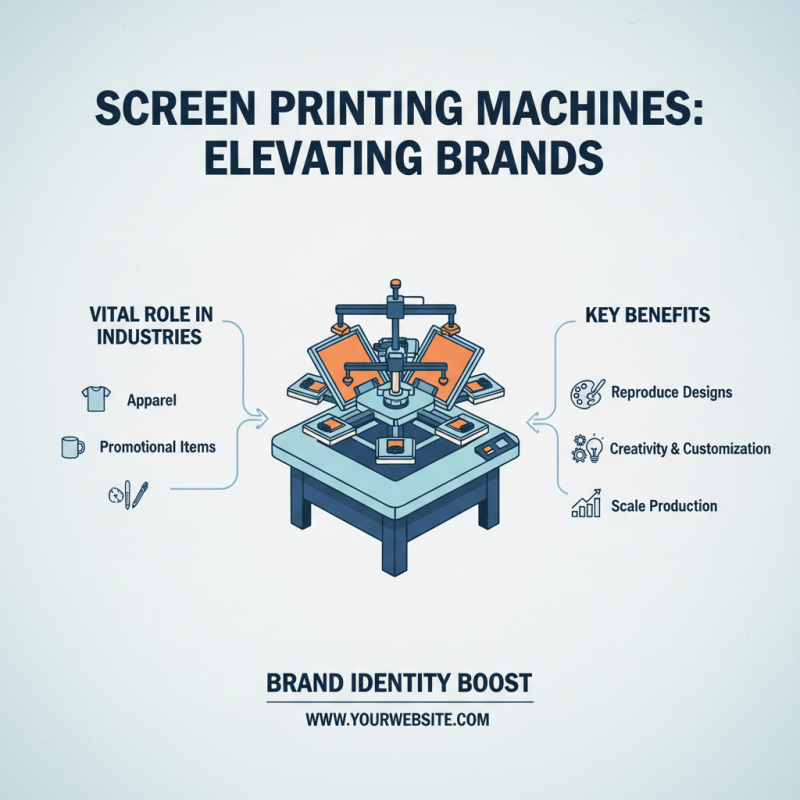
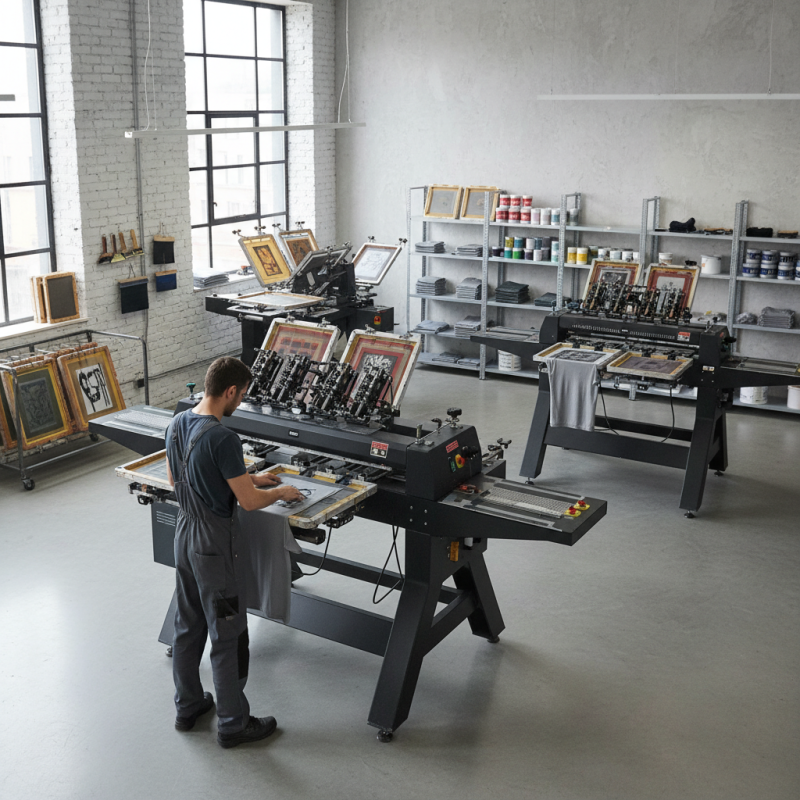
Screen printing machines play a vital role in various industries. From apparel to promotional items, these machines help in reproducing vibrant designs. Their importance cannot be overstated. A well-functioning screen printer can elevate a brand's identity. It allows for creativity and customization at scale.
Different types of screen printing machines fit various needs and budgets. Some are affordable, ideal for hobbyists or small businesses. Others are more advanced, tailored for professionals. Each machine comes with specific features. One must consider the volume of work and design complexity. However, not every purchase ends well. Some users realize their chosen machine lacks essential capabilities after buying. Research and comparison are crucial to finding the right fit.
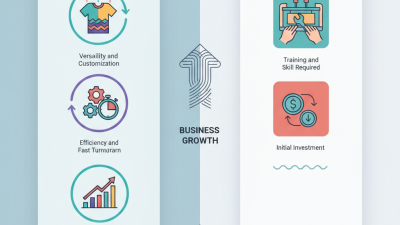
Investing in a screen printing machine can be rewarding. Yet, there are potential pitfalls. A machine that seems perfect may not handle intricate designs well. Users may face challenges with maintenance or operational issues. It’s essential to reflect on past choices and learn. A thoughtful approach ensures a smoother experience in screen printing.
Factors to Consider When Choosing a Screen Printing Machine
When selecting a screen printing machine, consider your specific needs and budget. What types of items will you print on? Different machines suit various materials like fabric, paper, or plastic. Think about the size of your prints too. Large designs may require more space and a different setup.
Another factor is the ease of use. Some machines require more technical skill than others. If you are a beginner, a user-friendly model might be ideal. Also, look at the setup process. Complicated installations could consume valuable time and cause frustration.
Don’t overlook the machine's durability. Cheaper models may break down faster, leading to repairs and replacements. This can be costly in the long run. Moreover, check the print quality. Lower-cost printers might produce unsatisfactory results. Be prepared to invest time in learning and perfecting your technique to achieve the best outcomes.
Top Budget-Friendly Screen Printing Machines for Beginners
Screen printing is an accessible and creative method for beginners looking to dive into the world of custom apparel. According to industry research, the global screen printing market is expected to reach $7.5 billion by 2025, driven largely by small businesses and independent creators. For those on a budget, investing in a reliable screen printing machine is crucial. Affordable options can still provide excellent quality, allowing new users to experiment and learn without a hefty upfront cost.
Entry-level screen printing machines are often compact and user-friendly. They cater specifically to beginners, featuring straightforward setups and instructional guides. Reports suggest that machines costing under $300 can offer essential features like adjustable printing frames and basic inking systems. However, potential buyers should remain cautious. Some budget machines may lack durability. Users might find themselves needing replacements sooner than expected. Researching reviews and seeking feedback from other beginners can illuminate these pitfalls.
One common area of confusion is the learning curve associated with screen printing. Beginners may struggle with technique, leading to inconsistent prints, which can be frustrating. Moreover, initial setups sometimes yield suboptimal results. This highlights the importance of practice and patience. Getting familiar with equipment can take time, and small errors can add up. Testing various methods and materials is essential for growth within the craft.
Top 10 Screen Printing Machines for Every Budget and Need
Mid-Range Screen Printing Machines for Growing Businesses
Mid-range screen printing machines are ideal for growing businesses. They strike a balance between affordability and quality. Many of these machines offer features that support increased production demands. For instance, they often have adjustable speed settings and superior ink handling. These features enhance both efficiency and the final product’s quality.
Investing in such a machine requires consideration. Not all mid-range options suit every type of project. Some machines may struggle with intricate designs or high volumes of prints. Researching specifications is crucial. Pay attention to the machine's ease of use as well. A user-friendly interface can save time and boost your workflow.
Many of these machines also allow for customization. This can be valuable when targeting diverse clients. However, customization often comes with learning curves. Operators may need to adapt to new settings frequently. This can lead to initial frustrations. Acknowledging these challenges is part of the growth process in your printing journey.
High-End Screen Printing Machines for Professional Use
When considering high-end screen printing machines, quality and precision are critical. These machines often come with advanced features that enhance efficiency. They allow for multi-color printing and finer detail than their lower-end counterparts. For a professional, this could mean fewer errors and quicker turnaround times. But, the initial investment can be daunting.
Many professional screen printers find themselves reflecting on the balance between cost and functionality. It’s not uncommon for even the most experienced printers to face challenges when operating high-tech equipment. Each ink type interacts differently with materials. Trial and error becomes part of the learning curve. Yet, with practice, quality output can be achieved.
Space and setup are also important considerations. These machines require enough room for operation and maintenance. Proper setup can influence the overall efficiency of the printing process. Remember, screen printing is an art. The right machine can help, but dedication and skill are equally vital. The pursuit of perfection in printing often means dealing with imperfections. Embrace the process; it’s all part of the craft.
Top 10 Screen Printing Machines for Every Budget and Need
| Model |
Price Range |
Max Colors |
Production Speed |
User Level |
| Pro X-1000 |
$10,000 - $15,000 |
6 |
500/hr |
Professional |
| Elite Print Pro |
$8,000 - $12,000 |
4 |
400/hr |
Professional |
| Starter Screen 2000 |
$3,000 - $5,000 |
2 |
150/hr |
Beginner |
| Easy Print 2023 |
$2,500 - $4,000 |
3 |
200/hr |
Intermediate |
| Rapid Screen Maker |
$15,000 - $20,000 |
8 |
600/hr |
Professional |
| Compact Print Unit |
$1,500 - $2,500 |
1 |
100/hr |
Beginner |
| High Speed Print 5 |
$9,000 - $14,000 |
5 |
450/hr |
Professional |
| Pro Compact 12345 |
$4,000 - $7,000 |
3 |
250/hr |
Intermediate |
| All-in-One Express |
$18,000 - $25,000 |
10 |
750/hr |
Professional |