Top 10 Tips for Printing on Shirts Successfully?
In the world of custom apparel, mastering the art of printing on shirts is crucial. John Smith, a renowned expert in the "Printer On Shirts" industry, once stated, “Quality prints can make or break your brand.” His words highlight the importance of getting it right.
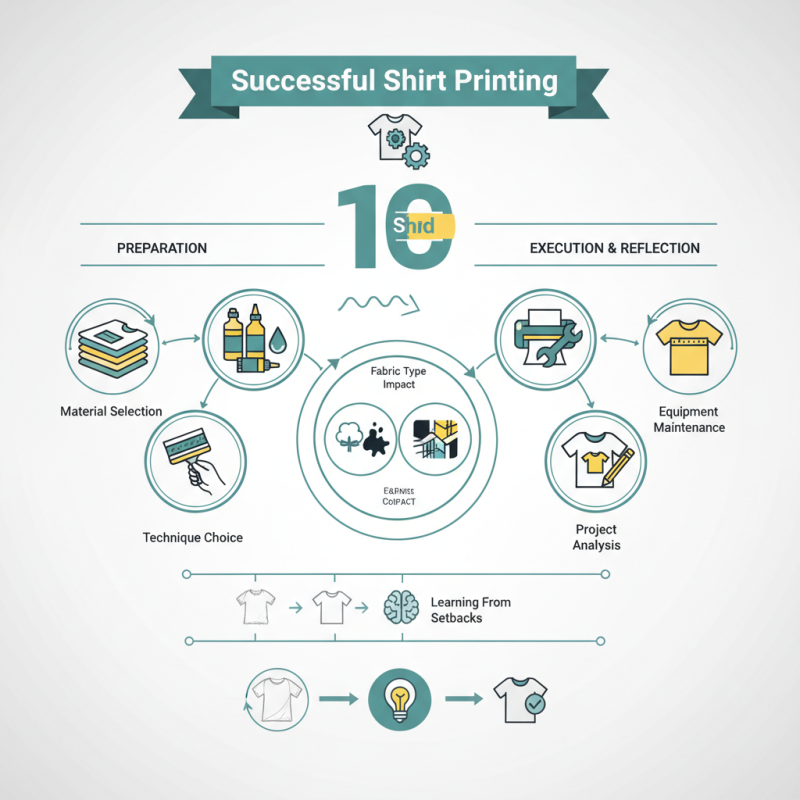
Making the right choices can be challenging. Selecting materials, inks, and techniques requires careful thought. Many beginners overlook how fabric type affects print quality. For instance, cotton absorbs ink differently than polyester. Each choice impacts the final product. Mistakes can be costly and frustrating.
Even seasoned printers face challenges. Equipment malfunctions can lead to poor results, while miscalculations in design may limit creativity. Reflection is key. Constantly analyzing past projects helps improve future outcomes. In the world of Printer On Shirts, striving for perfection often comes with setbacks. Learning from these experiences is essential for success.
Choosing the Right Fabric for Shirt Printing Success
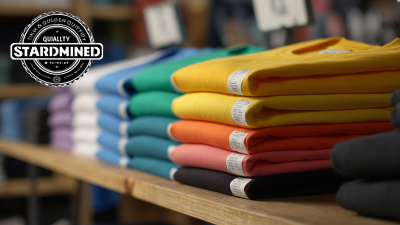
Choosing the right fabric is vital for successful shirt printing. Cotton is a popular choice. It’s soft, breathable, and holds ink well. However, 100% cotton may not always be the best option. Blends can work better in some cases. Polyester blends are durable and wrinkle-resistant. They also allow for vibrant prints.
When selecting fabric, consider the weight. Heavier fabrics often support better print quality. Lighter fabrics may not hold the ink as well, leading to fading. Testing on a sample is crucial. A bad choice can ruin your design. Think about the shirt's purpose too. Casual shirts may suit different fabrics than those for sports.
Care is also important. Some fabrics require special washing methods. Ignoring care instructions can lead to wear and fading quickly. Reflect on past experiences to make better choices. Sometimes, what worked before may not work again. Pay close attention to your material selections to avoid common pitfalls in shirt printing.
Understanding Different Printing Techniques and Their Applications
When it comes to shirt printing, choosing the right technique is crucial. Various methods cater to different needs and budgets. For instance, screen printing is highly popular for bulk orders. A report from Smithers Pira indicates that screen printing will account for 19% of the textile printing market by 2024. This method ensures vibrant colors and durability but can be costly for small runs.
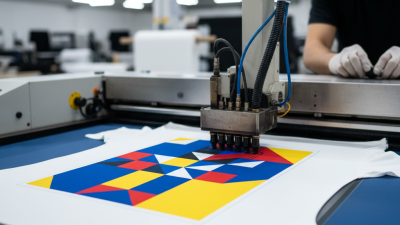
On the other hand, direct-to-garment (DTG) printing is gaining traction. It allows intricate designs with a short turnaround time. According to a recent market analysis, DTG is expected to grow at a CAGR of 20.5% through 2027. However, achieving high-quality responses requires the right fabric. Cotton works best, while synthetic blends can lead to poor results.
Heat transfer printing is another viable option. It offers flexibility for small batches but can sometimes compromise fabric texture. Users must consider the longevity of the print; low-quality transfers can peel or fade quickly. Each printing technique has its pros and cons. Evaluating them helps one maximize both quality and cost. Understanding these factors leads to more effective and satisfying results in shirt printing.
Preparing Your Design for Optimal Print Quality
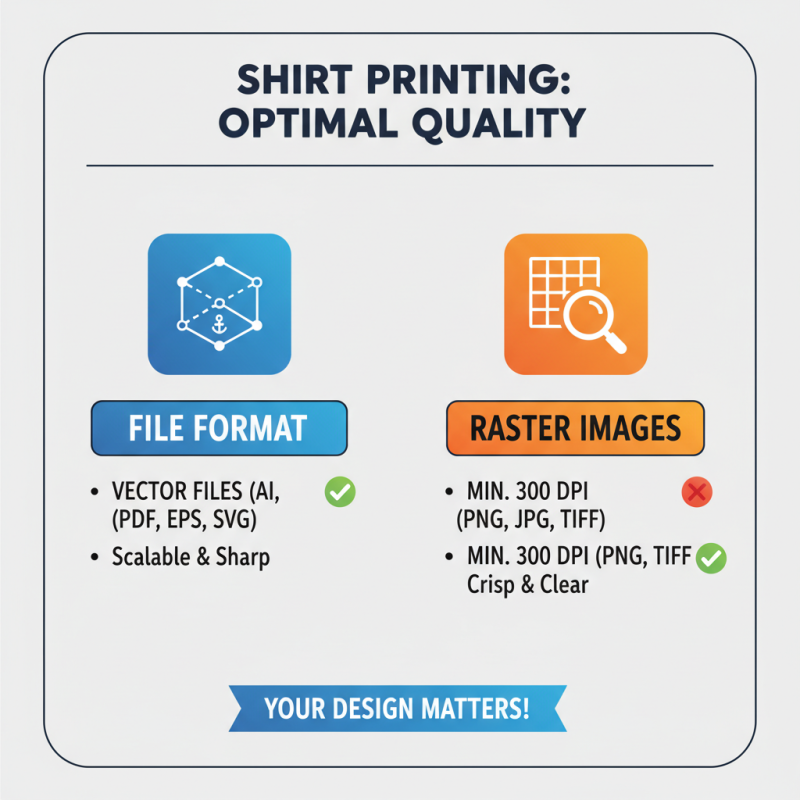
Preparing your design for optimal print quality is crucial for a successful shirt printing project. Start by choosing the right file format. Most printers prefer vector files because they maintain sharpness at any size. If you use raster images, make sure they have at least 300 DPI. This ensures that your designs look crisp and clear.
Color choice is another important aspect. Use a color palette that works well in the printing process. It’s often wise to design in CMYK format rather than RGB. This prevents unexpected color changes. Sometimes, colors look different on screen than on fabric. Test prints can help you spot these discrepancies.
Don’t forget about the placement of your design. Centering is usually safe, but consider how the fabric will move when worn. Some designs work better on the front, while others may suit the back or sleeves. Make sure to leave enough breathing room around your artwork. It’s all about balancing aesthetics with functionality. These details, while small, play a big role in the final outcome. Remember, imperfections can lead to growth, so embrace the learning process.
Essential Equipment and Tools for Shirt Printing
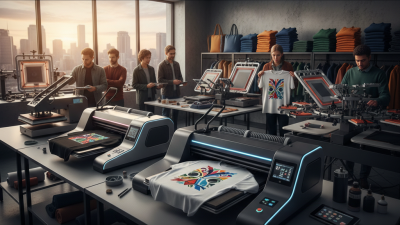
When embarking on shirt printing, having the right equipment is crucial. A good quality printer is essential, but it’s not the only tool needed. Screen printing kits or heat press machines can elevate your design. The type of ink you choose matters too; water-based inks are eco-friendly but may require more skill to use.
Don’t overlook the importance of preparation. A clean workspace can make a significant difference. Sometimes, people forget to pre-treat shirts. This step is vital for ink adhesion. Not every design transfers perfectly on the first try. Mistakes happen, and learning from them can improve future prints.
Consider investing in design software. It can simplify your creative process. However, it might take time to master it. Patience is key. Keep in mind that the material of the shirt affects the final product too. Different fabrics react differently to ink. Testing various combinations can lead to surprising results. Each aspect plays a role in your shirt printing journey.
Tips for Maintaining Quality and Reducing Printing Mistakes
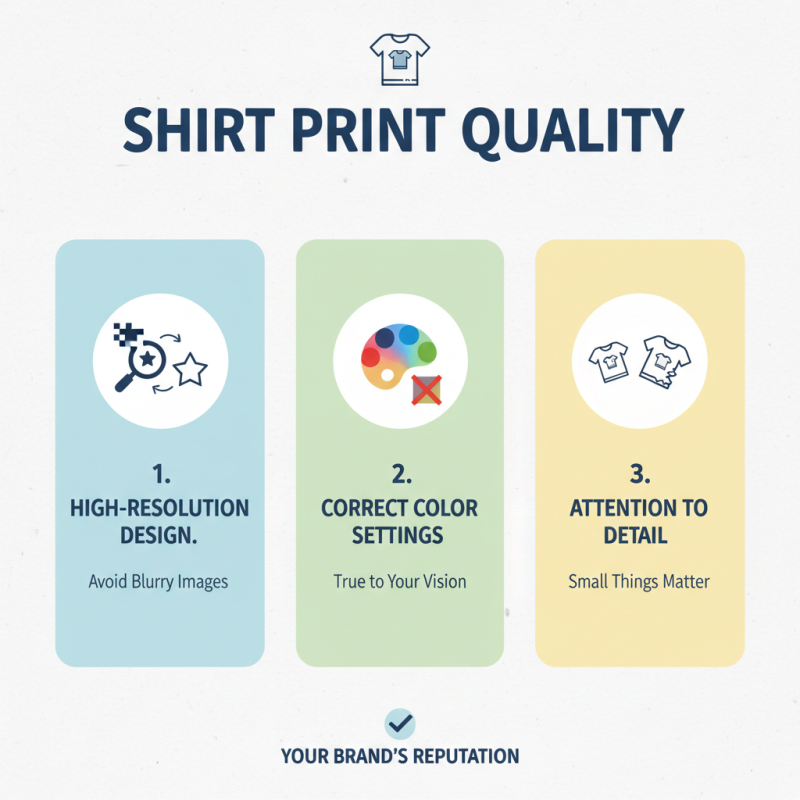
When printing on shirts, maintaining quality is crucial. Small details can make a big difference. Make sure your design is high-resolution. A blurry image looks unprofessional. Check the color settings as well. Wrong colors can ruin your vision, leading to disappointment.
Testing is a vital step. Always perform a test print first. Sometimes, the fabric doesn’t display the design as expected. Adjusting the printer settings may help. Furthermore, double-check for alignment issues. Misalignment can turn a great design into a disaster.
Keep your workspace clean. Dust and lint can affect print quality. A dirty machine might give you unwanted marks or streaks. Regular maintenance is important, too. Check ink levels and clean printer heads regularly. Neglecting these tasks can lead to avoidable mistakes. In the world of t-shirt printing, every detail matters. Don’t overlook them.