How to Start Printing On Shirts for Your Business Success?
Starting a "Printer On Shirts" business can be a rewarding venture. The apparel printing market is projected to reach $10 billion by 2025, according to a report by Grand View Research. This growth reflects the increasing demand for customized clothing. However, diving into this industry requires more than a passion for fashion; it needs a strategic approach.
John Smith, a renowned expert in printing technologies, states, "Quality and creativity are key in the shirt printing business." This insight highlights the importance of investing in high-quality materials and advanced printing techniques. Many newcomers underestimate the significance of choosing the right printer. Without the optimal equipment, the final product may fall short.
It's vital to understand that not all printing methods suit every design. Each technique has its pros and cons. Screen printing is renowned for bulk orders, but direct-to-garment may offer better detail for smaller batches. Delving into this industry demands critical thinking. Mistakes can be costly. Researching market trends, knowing your audience, and testing your designs are essential steps. Failure to do so could mean missing out on potential sales.
How to Choose the Right Printing Method for T-shirts in Business
Choosing the right printing method for T-shirts is crucial for business success. The method you select can affect costs, quality, and production speed. Direct-to-Garment (DTG) printing is highly popular, especially for designs with many colors. According to a report by Smithers Pira, the DTG market is expected to grow by over 20% by 2025. This method allows detailed prints, but it can have higher setup costs for small runs.
Screen printing remains a reliable choice for bulk orders. It is cost-effective and produces vibrant colors. However, it may not be ideal for smaller batches. A study by IBISWorld highlights that screen printing accounts for approximately 40% of the custom apparel market. Think about the scale of your business and the type of designs you'll create.
Tips: Consider experimenting with both methods. Order sample shirts to see the results. Understand your target market's preferences. Make data-driven choices to refine your printing process. Reflect on any challenges you face. For instance, some designs may not translate well across different methods. Adjust your approach based on customer feedback.
Understanding the Market Demand for Custom Printed Shirts
Understanding the market demand for custom printed shirts is crucial for any new business venture. The shirt printing industry has seen significant growth recently, driven by personalized products. Consumers now seek unique designs, reflecting their individual style. This presents a valuable opportunity for entrepreneurs willing to tap into this trend.
To gauge market demand, start by researching local demographics. Find out what styles and designs resonate with potential customers. Attend local events to observe trends. Social media platforms are also excellent sources for understanding customer preferences. Analyze popular designs and customer feedback. This can inform your product offerings.
Tips for success include keeping designs simple and versatile. Complex designs might not appeal to everyone. Test your products with a small audience before a larger launch. Solicit honest feedback, even if it’s critical. This will help refine your approach. Lastly, stay adaptable to changing trends. Market demands can shift rapidly. Embrace the challenge and use insights to improve your business strategies continually.
Key Equipment and Supplies Needed for Shirt Printing Success
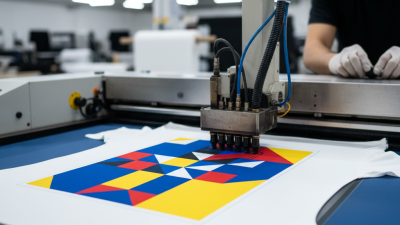
When starting a shirt printing business, essential equipment and supplies become the backbone of your operation. First, you'll need a reliable printer. This printer should handle various materials, including cotton and polyester. The right ink is equally important. Look for vibrant, durable ink that ensures your designs last through multiple washes.
Next, invest in heat presses or screen printing kits. Heat presses are user-friendly and perfect for beginners. Screen printing offers depth of color but can be tricky to master. Each method has its learning curve. Also, don’t forget quality blank shirts. Sourcing from trustworthy suppliers can make a difference in your final product.
You’ll encounter challenges along the way. Equipment can fail, and designs may not print as expected. Mistakes are part of the journey; learning from them is crucial. Keep experimenting with different techniques. This trial-and-error approach will refine your skills and enhance your creativity. Building a successful shirt printing business is about persistence and continuous learning.
Marketing Strategies to Boost Your Shirt Printing Business
Launching a shirt printing business can be a thrilling venture. However, effective marketing strategies are key to achieving success in this competitive field. Start by identifying your target audience. Are they young students, professionals, or sports teams? Tailor your designs and promotions to these specific groups.
Utilize social media platforms to showcase your work. Create engaging posts that highlight your unique designs. Use high-quality images that capture attention. Regularly interact with your followers to build a loyal community. Consider running contests or giveaways. This can increase visibility and attract new customers.
Tips: Leverage local events for promotion. Set up a booth to display your shirts. Provide potential customers with a chance to see the quality firsthand. Networking with local businesses can also yield partnerships that benefit both parties.
To refine your strategies, continually seek feedback from your customers. What do they love about your shirts? What can improve? Being open to criticism is essential for growth. Adapt your approach based on these insights to enhance your marketing efforts.
Shirt Printing Business Marketing Strategies
This chart presents the effectiveness of various marketing strategies for boosting your shirt printing business. The data indicates percentages of success based on different strategies used within the business.
Analyzing Profit Margins in the T-shirt Printing Industry
When entering the T-shirt printing industry, profit margins are a critical focus. According to recent industry reports, average profit margins for custom T-shirts typically hover around 30% to 50%. However, achieving these rates depends on factors like production costs and pricing strategies. Many businesses neglect to analyze these expenses thoroughly. Understanding where you stand can prevent future financial pitfalls.
Production costs can significantly impact your profit. The average cost to produce a single custom shirt can range from $10 to $20, depending on materials and printing techniques. If you sell shirts at a retail price of $30, your profit margin might look attractive at a glance. Yet, hidden costs—such as shipping, marketing, and overhead—must be accounted for. New entrants often underestimate these additional expenses. It's essential to conduct a thorough cost analysis to avoid common mistakes.
The competition in the T-shirt printing market is fierce. While some brands manage to maintain high profit margins, many others struggle due to oversaturation or inadequate differentiation. As a newcomer, consider narrowing your niche to stand out. Research shows that niche markets can offer better margins, as they often command premium prices. Balancing quality with competitive pricing is crucial for long-term success in this industry.