Leave Your Message

What is a Silk Screen Printing Machine and How Does It Work?

Silk screen printing is a fascinating technique that combines art and precision. A Silk Screen Printing Machine is a crucial tool in this process. David Thompson, an industry expert with over 15 years of experience, states, “The right machine can elevate your printing to an art form.” This highlights the machine's importance in achieving high-quality results.

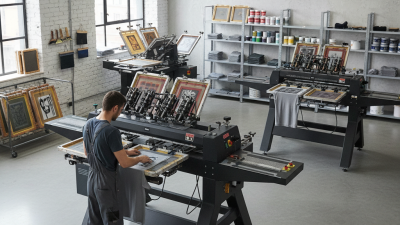
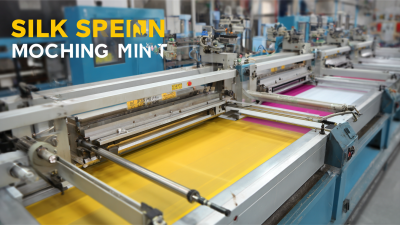
These machines work by using a stencil and a mesh to transfer ink onto various surfaces. Understanding their functionality is essential for both beginners and seasoned professionals. A Silk Screen Printing Machine can print on fabric, paper, and even wood. Each project requires a different approach, showcasing the machine's versatility.

However, not all machines are created equal. Some can be complex and require a learning curve. Users must be willing to experiment. While the results can be spectacular, the journey to mastering a Silk Screen Printing Machine may involve failures and setbacks. Embracing these challenges can lead to unique and creative outcomes.
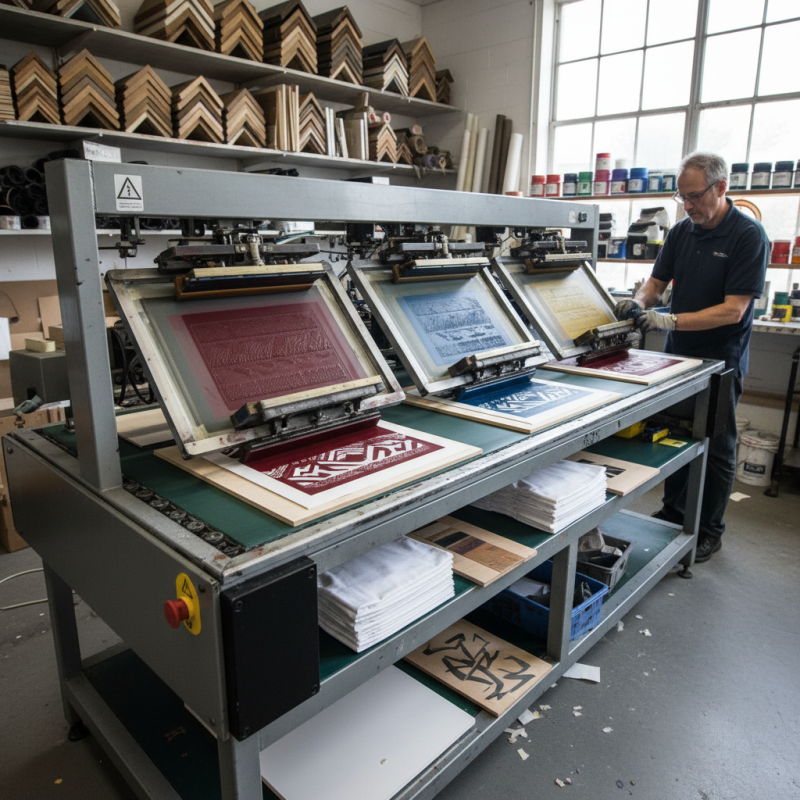
What is a Silk Screen Printing Machine and How Does It Work?

What is Silk Screen Printing?

Silk screen printing, also known as screen printing, is a versatile printing technique. This process involves transferring ink through a mesh screen onto various surfaces, including fabric, paper, and metal. The technique uses a stencil to create a design, allowing for bold and vibrant images. Many artists and businesses choose silk screen printing for its ability to produce high-quality prints.

To begin, a fine mesh screen holds the stencil. Ink is then pushed through the mesh with a squeegee, ensuring even coverage. This method allows for layering colors, making designs pop. However, getting consistent results can be challenging. Each layer must dry before adding another, requiring patience and attention to detail. Additionally, color degradation can occur if the wrong ink or mesh is used.

Despite its popularity, silk screen printing is not without drawbacks. It can produce waste, as leftover ink may not be reusable. Also, mastering the technique takes practice. Small errors during setup or alignment can ruin a print run. Yet, when executed well, the outcome is often stunning and memorable. Many artists find satisfaction in the tactile process, blending creativity with technical skill.

History and Evolution of Silk Screen Printing Machines

Silk screen printing has a rich history that traces back centuries. It originated in ancient China around the Song Dynasty. The technique used a simple stencil method. Artisans applied ink through a mesh screen to create beautiful images on fabric and paper. This method gained popularity due to its efficiency and versatility.

Over time, silk screen printing evolved significantly. In the 20th century, it experienced a technological shift. The introduction of synthetic mesh made the process faster and more durable. During this period, artists began using silk screen printing for fine art. The method became a favored choice for many contemporary artists. They appreciated the unique textures and vibrant colors.

However, it's essential to acknowledge the challenges. Innovations can sometimes overshadow traditional techniques. Some artisans feel that the essence of their craft gets lost in mass production. The balance between commercialism and artistry requires reflection. As the technology advances, maintaining the origins of silk screen printing remains a critical conversation.

Key Components of a Silk Screen Printing Machine

What is a Silk Screen Printing Machine and How Does It Work?

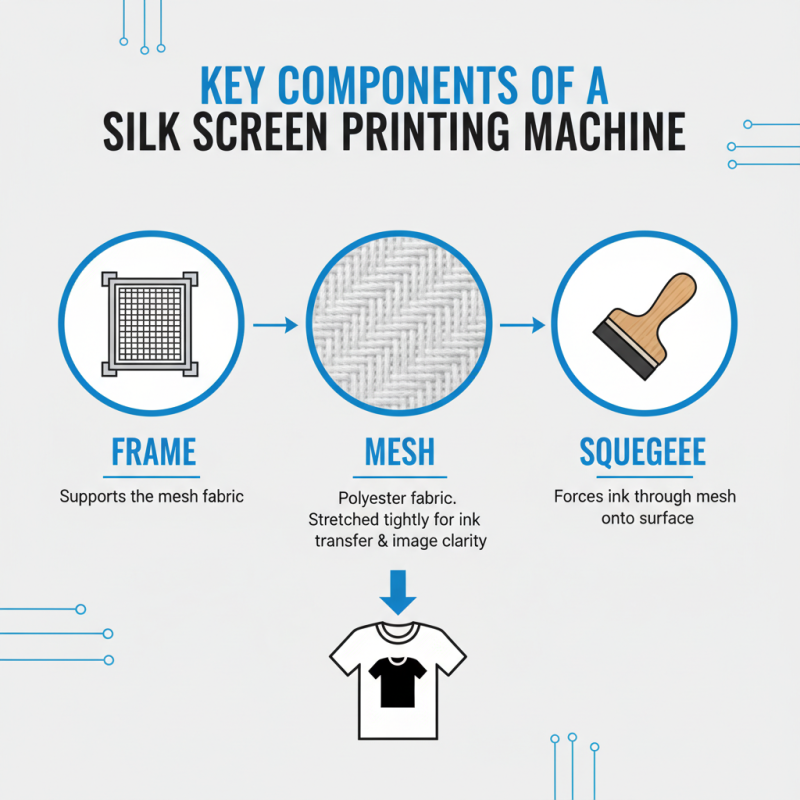
A silk screen printing machine is an intricate device used for transferring images onto various surfaces. The key components of this machine play a crucial role in its operation. The frame supports the mesh fabric, which is typically made of polyester. This mesh is stretched tightly to create a flat surface for the ink transfer. A well-stretched mesh ensures clarity in the printed image.

The squeegee is another vital component. It is used to push the ink through the mesh onto the substrate. Different squeegee materials can affect the pressure applied, which impacts the ink flow. Experimentation may be necessary to find the right combination for specific projects. The choice of ink is also critical. Water-based or plastisol inks each have unique qualities, and selecting the wrong one can lead to printing failures.

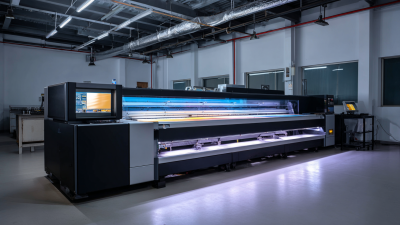
Another essential part is the exposure unit, often used for developing screen designs. It exposes the coated mesh to light, hardening specific areas to create a stencil. The exposure time needs careful consideration. Too little light may not cure the emulsion, while too much can ruin the design. Many beginners overlook this aspect, resulting in subpar prints.

How Silk Screen Printing Works: Step-by-Step Process

Silk screen printing is an age-old technique. It involves transferring images onto various surfaces using a mesh screen. The process starts with creating a stencil. This stencil blocks certain areas of the screen while allowing ink to pass through others. The right choice of mesh and ink is crucial. A finer mesh creates more intricate designs, while thicker inks can yield bolder visuals.

The application of the ink follows. A squeegee is used to push the ink across the stencil. This step requires practice to control the pressure and speed. Too much pressure can lead to smudging while too little might leave gaps. It's a balancing act that takes time to master. After the ink is applied, the screen must be cleaned. The remaining ink can dry and cause blockages in future prints.

Finally, curing the print is essential. Heat or UV light is used to set the ink. This part of the process needs careful attention. Insufficient curing can result in fading or peeling prints. As with any craft, silk screen printing demands precision and patience. Mistakes can be part of learning, prompting you to refine your technique over time. Each print is an opportunity for improvement.

Applications and Advantages of Silk Screen Printing

Silk screen printing, also known as serigraphy, has various applications across different industries. It is widely used in textiles, where vibrant designs are printed on clothing. The method is ideal for creating large runs of identical prints. Besides apparel, it plays a significant role in promotional products, such as tote bags and posters.

The advantages of silk screen printing are notable. The durability of the prints means they can withstand washing and exposure to the elements. This method allows for vivid colors and intricate designs, enhancing the visual appeal of products. However, it's crucial to note that setup can be labor-intensive, leading to longer production times for small batches. This aspect may require businesses to balance quality with efficiency.

Additionally, silk screen printing can produce prints on various surfaces, including wood, metal, and glass. This versatility opens up creative possibilities for designers and brands. However, artists must sometimes revisit their designs, especially when adapting to different materials. Embracing trial and error can lead to innovative results. It’s essential for practitioners to stay informed about techniques and advancements in the field.

Silk Screen Printing Applications and Advantages