Why Invest in a Trademark Printing Machine for Your Business Success?
In today's highly competitive market, businesses must leverage every available tool to secure their success and enhance brand visibility. One such pivotal tool is the Trademark Printing Machine, which allows companies to produce high-quality, customized labels and branding materials that are critical for establishing brand identity. According to a report by Smithers Pira, the global market for printed labels is expected to reach $50 billion by 2024, underscoring the increasing demand for efficient printing solutions.
Investing in a Trademark Printing Machine not only streamlines the production of branded materials but also ensures compliance with trademark regulations, thereby protecting intellectual property rights. The World Intellectual Property Organization (WIPO) indicates that trademarks significantly influence consumer purchasing decisions, with 77% of consumers stating they choose brands based on trademark recognition. As such, quality and consistency in branding become paramount, and having an in-house printing solution can enhance operational efficiency and responsiveness to market trends.
Furthermore, the ability to quickly adapt and produce on-demand printing can provide a competitive edge. With the rise of e-commerce and customized products, businesses utilizing Trademark Printing Machines can meet consumer expectations for personalized and unique offerings. Therefore, for any business looking to thrive in an evolving marketplace, investing in a Trademark Printing Machine is not just a cost but a strategic move towards sustained growth and brand fidelity.
Benefits of Investing in a Trademark Printing Machine
Investing in a trademark printing machine can significantly enhance your business's operational efficiency and product quality. According to a report by MarketsandMarkets, the global digital printing market is projected to reach $29.2 billion by 2025, with a compound annual growth rate (CAGR) of 6.5%. This growth indicates a rising demand for high-quality, customizable printing solutions, including trademark printing. By acquiring a specialized printing machine, businesses can ensure they meet this demand while maintaining control over their branding and production processes.
Moreover, utilizing a trademark printing machine can help optimize costs associated with outsourcing printing tasks. A study conducted by Smithers Pira revealed that companies can save up to 30% on printing costs by internalizing their printing needs. This investment not only reduces the risk of delays but also allows for quicker turnaround times on projects, which is crucial in today’s fast-paced market environment. In addition, having a printing machine in-house empowers businesses to explore innovative design options and adapt to market changes swiftly, thereby maintaining a competitive edge.
Why Invest in a Trademark Printing Machine for Your Business Success? - Benefits of Investing in a Trademark Printing Machine
| Benefit |
Description |
Impact on Business |
| Increased Brand Recognition |
High-quality printing enhances the visibility of your trademarks and logos. |
Improves customer recall and brand loyalty. |
| Cost Efficiency |
Reduces the need for outsourcing printing services, saving costs over time. |
Increases profit margins by lowering operational costs. |
| Customization |
Ability to produce customized labels and promotional materials quickly and efficiently. |
Enhances marketing strategies and customer engagement. |
| Improved Quality Control |
Ensures consistent quality in printed materials which reflects brand values. |
Reduces waste and enhances product quality. |
| Faster Turnaround Time |
Allows for quicker production of printed items, facilitating fast market response. |
Increases competitiveness and agility in the market. |
Types of Trademark Printing Machines Available
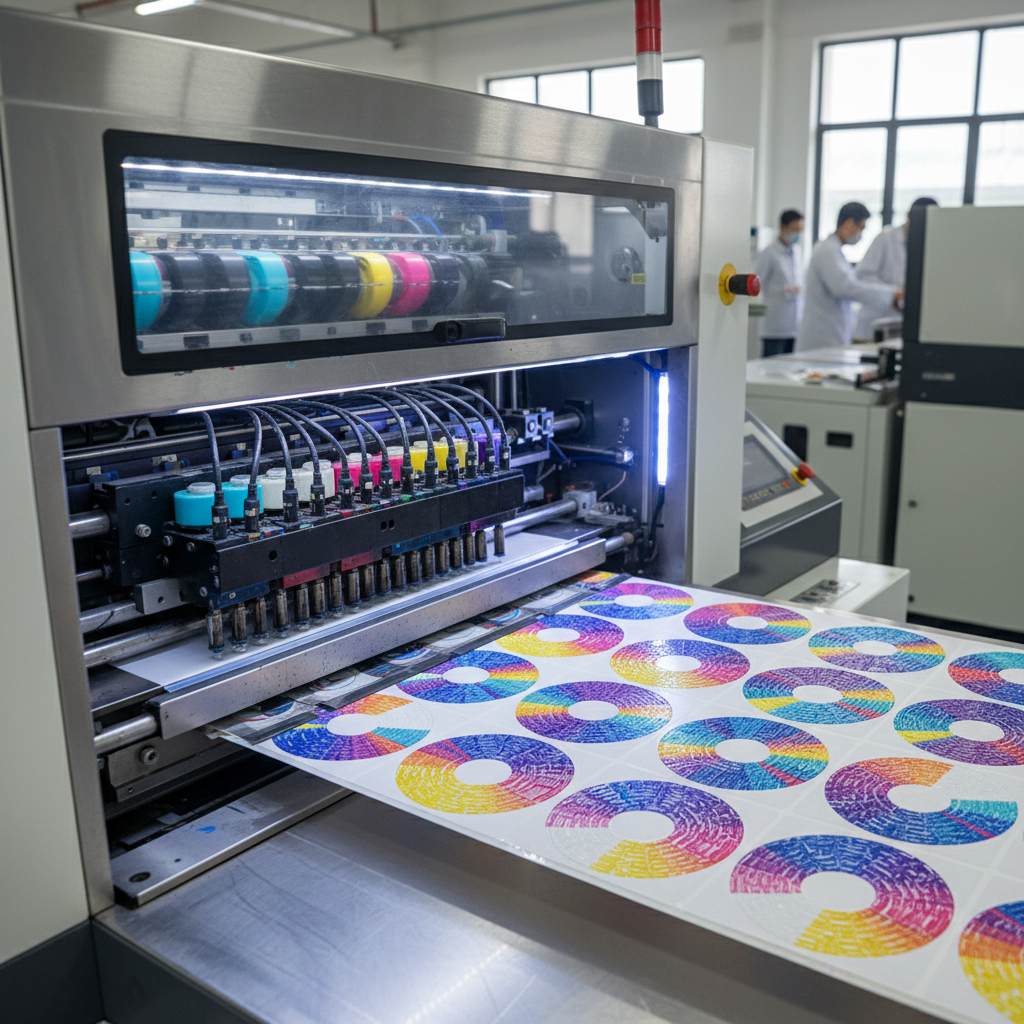
When considering the investment in a trademark printing machine, it's essential to explore the various types available in the market. One of the most popular categories is the digital inkjet printer, which offers high-quality printing and versatile functionality.
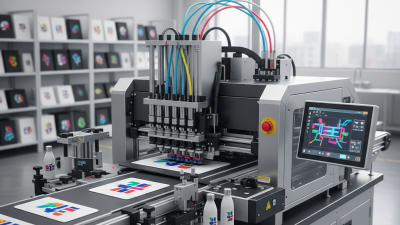
Digital inkjet machines can produce vivid colors and intricate designs, making them an excellent choice for businesses needing on-demand printing capabilities. This technology allows for quick turnaround times, enabling businesses to stay agile in a competitive market.
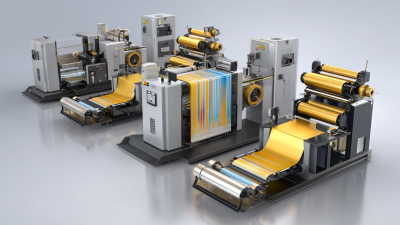
Another notable type is the flexographic printing machine. Known for its speed and efficiency, flexographic printers are ideal for producing large volumes of labels and tags. They utilize flexible relief plates to transfer ink onto various materials, making them suitable for businesses that require consistent quality and cost-effective production.
Additionally, there are specialty printers designed for specific applications, such as thermal transfer printers, which are excellent for barcode and label printing. Each type of machine caters to unique business needs, offering tailored solutions for enhancing brand visibility and operational efficiency.
Cost Analysis: Long-Term Savings vs. Initial Investment
Investing in a trademark printing machine can seem daunting due to the initial costs involved. However, a thorough cost analysis reveals that this investment can lead to substantial long-term savings for any business. By bringing printing capabilities in-house, businesses can eliminate the recurring expenses associated with outsourcing printing services. This not only reduces costs but also offers more flexibility in meeting production demands and timelines.
Moreover, the efficiency gained from owning a trademark printing machine can further enhance savings. With faster turnaround times and the ability to produce customized prints on-demand, companies can respond quickly to market changes and consumer needs. Over time, the savings accumulated from reduced outsourcing fees, less wasted material, and increased productivity can significantly outweigh the upfront investment. Therefore, when evaluating the financial impact, the long-term benefits of purchasing a trademark printing machine become increasingly apparent, making it a smart financial decision for businesses aiming for success.
Enhancing Brand Identity with Custom Labels and Packaging
In today's competitive market, brand identity plays a crucial role in distinguishing your products from those of competitors. Custom labels and packaging not only enhance visual appeal but also communicate your brand's unique story. According to a recent report by the Packaging Association, over 70% of consumers make purchase decisions based on packaging alone. This emphasizes the significance of investing in quality trademark printing machines that enable businesses to produce attractive and personalized labeling solutions.
The rise of e-commerce has further magnified the importance of packaging. A study by The Freedonia Group highlights that custom packaging can increase brand loyalty by 50%, as consumers are more likely to repurchase products that resonate with them visually and emotionally. By utilizing advanced printing technologies, businesses can create bespoke packaging that reflects their brand identity while staying adaptable to market trends. Investing in a trademark printing machine is not just a step towards improving product aesthetics; it's a strategic move to foster customer connections and drive business growth in an increasingly brand-conscious marketplace.
Leveraging Technology for Efficient Printing Solutions
Investing in a trademark printing machine is a pivotal step towards enhancing operational efficiency and product quality in today’s competitive landscape. As businesses increasingly leverage technology, efficient printing solutions become vital for meeting customer demands and maintaining brand integrity. According to a recent industry report by Smithers Pira, the global digital printing market is projected to grow at a CAGR of 11% through 2027. This growth signals the importance of adopting advanced printing technologies, allowing businesses to produce high-quality materials with reduced turnaround times and costs.
To capitalize on these advancements, companies should consider integrating a trademark printing machine into their operations. These machines offer high-resolution printing capabilities, essential for creating visually appealing branding materials. Furthermore, 64% of businesses reported improved production efficiency after implementing modern printing technologies, highlighting that such investments can yield significant returns.
Tips: When investing in a trademark printing machine, prioritize equipment that offers fast and reliable printing capabilities. Additionally, ensure your team is trained to utilize the technology effectively, as proper usage can further enhance productivity and quality. Investing time in understanding your specific printing needs will also help you choose the right machine that aligns with your business goals.
Investment Benefits of Trademark Printing Machines