Why Invest in a T Shirt Printing Machine for Your Business?
Investing in a T Shirt Printing Machine can be a game-changer for your business. David Thompson, a leading expert in the garment printing industry, states, "A well-chosen T Shirt Printing Machine can increase profitability and efficiency." This machine not only enhances your product offerings but also caters to growing custom demands.
Many businesses overlook the potential of a T Shirt Printing Machine. They may fear the initial investment cost. However, the long-term benefits often outweigh these concerns. For instance, high-quality prints attract more customers and elevate brand reputation. Adopting this technology opens up new revenue streams. You can tap into events, businesses, or personalized gifts more effectively.
Consider the operational side as well. With a T Shirt Printing Machine, production can be streamlined. There's less dependency on third-party services. Yet, it's vital to choose the right model for your specific needs. Not everyone needs the most expensive machine. Reflect on your business goals and customer demand to make an informed decision.
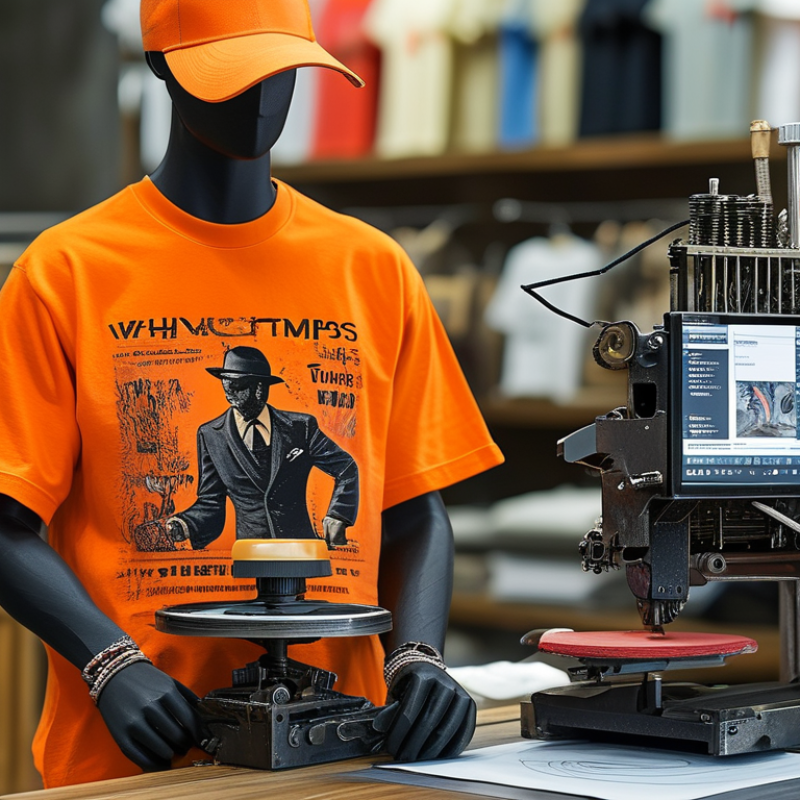
Benefits of Investing in a T Shirt Printing Machine for Business Growth
Investing in a T-shirt printing machine can significantly boost your business growth. The custom apparel market is booming, projected to reach $10 billion by 2025. This demand opens doors for entrepreneurs ready to enter the space. Offering unique designs allows businesses to attract diverse customer bases. With a T-shirt printing machine, you can effortlessly respond to trends, tailoring products in real-time.
Flexibility is a key benefit. Producing on-demand helps reduce wasted inventory. A survey showed that brands using this model reported up to 30% less waste. Quality matters too. Modern printing technology ensures vibrant colors and durability. Adapting quickly to customer feedback can enhance customer loyalty. A short turnaround time can set you apart from competitors.
However, entering this market isn't without its challenges. Initial costs can be significant, and understanding machine upkeep is crucial. It’s ideal to weigh your options before jumping in. Small businesses must consider how to effectively market their unique offerings. Researching target demographics will refine your approach. A robust online presence amplifies visibility, leveraging social media to inform potential customers.
Market Trends in Custom Apparel: The Rise of T Shirt Printing Demand
The demand for custom apparel, particularly in T-shirt printing, is rising significantly. More consumers seek unique designs that express their individuality. This trend opens doors for businesses exploring T-shirt printing as a viable venture. The potential for profitability in this niche is substantial.
Consider these tips when entering the custom T-shirt market. First, research your target audience. Understand their preferences and styles. This knowledge will guide your design choices. Test different designs and gather feedback. Not every shirt will resonate, and that's okay. Reflect on what works and what doesn't.
Another important factor is quality. Invest in reliable equipment to ensure your prints last. Poor quality can lead to unhappy customers. They might not return for future purchases. Consider starting small to minimize risk. Gradually expand your lineup based on customer demand. Embrace the learning process, and adapt as needed. Stay aware of market trends to remain competitive in this growing industry.
Market Trends in Custom Apparel: The Rise of T Shirt Printing Demand
Cost Analysis: Long-term Savings with In-house T Shirt Printing
Investing in a T-shirt printing machine can significantly reduce costs for your business in the long run. Industry reports indicate that outsourcing T-shirt printing can cost upwards of $20 per shirt, depending on the design complexity and order volume. By shifting to in-house printing, businesses can save anywhere from 30% to 50% over time. These savings stem from reduced markups and eliminated shipping fees associated with outsourcing.
Creating custom designs in-house allows for immediate production changes. This flexibility can be crucial, especially for seasonal promotions. If a design does not meet customer expectations, it can be quickly altered. However, managing the printing process does require some learning. Initial setup costs for equipment can be daunting. Businesses must also consider the ongoing cost of ink and materials.
**Tips:** Start small with a basic model to minimize upfront investments. Measure production efficiency to identify areas for improvement. Regularly seek feedback from customers to refine your offerings. Balancing cost and quality is key. Embrace the trial-and-error aspect. This will fuel growth and foster a robust printing strategy.
Technological Advancements in T Shirt Printing Machines: What to Consider
Investing in a T-shirt printing machine is a game-changer for many businesses. Technological advancements in this field are significant. Digital printing methods, for instance, offer vibrant colors and intricate designs. These machines are faster and more efficient than older models. There are notable features to consider when selecting one.
First, think about your production needs. Are you a small business or aiming for mass production? Ink types and print resolution matter. Some machines excel in high-quality prints but may have a slower output. Others might deliver speed but lack in detail. Maintenance and support are crucial too. Choose a machine that is easy to service and has reliable customer support.
Costs can quickly add up. It’s important to calculate the total investment, including inks and maintenance. Budget constraints could limit your options. The learning curve can also be steep. Not every machine is user-friendly. Consider your staff's ability to adapt. Investing in training may be necessary. These factors can influence your business's growth potential in the competitive market.
Why Invest in a T Shirt Printing Machine for Your Business?
| Feature |
Description |
Benefits |
| Speed |
High-speed printing capabilities for quick turnarounds. |
Increased production volume and customer satisfaction. |
| Print Quality |
Advanced technology ensures vivid colors and sharp details. |
Enhanced brand reputation and repeat business. |
| Versatility |
Ability to print on various materials and sizes. |
Opportunities for diverse product offerings. |
| Cost Efficiency |
Lower cost per unit with bulk printing. |
Higher profit margins. |
| User-Friendly |
Intuitive interfaces for easy operation. |
Reduced training time and operational difficulties. |
Impact of T Shirt Printing on Customer Engagement and Brand Loyalty
In today’s competitive market, customer engagement is crucial for brand loyalty. Investing in a T-shirt printing machine can significantly enhance this engagement. A survey conducted by the Custom Apparel Industry Association found that 70% of consumers feel more connected to brands that offer personalized products. Custom T-shirts allow businesses to create unique designs tailored to their customers’ preferences. This tailored approach fosters a sense of belonging and loyalty among customers.
Additionally, research from Statista indicates that the custom printing market is projected to grow by over 10% annually. This growth presents an opportunity for brands to tap into the emotional aspect of customer relationships. Offering T-shirts with specific themes, events, or customer-driven designs can strengthen this bond. However, not all custom printing initiatives result in engagement. It requires understanding your audience's preferences and continuously adapting to their changing tastes.
Moreover, while many brands focus on flashy designs, simplicity often resonates better. A well-designed, simple T-shirt can speak volumes about a brand's identity. A study by the Promotional Products Association International found that 79% of people can recall the branding on a promotional T-shirt they received in the last two years. Yet, some brands may overlook the importance of quality in favor of quantity. Reflecting on these aspects can lead to a more profound connection with customers and reinforce brand loyalty.