Guide to Choosing the Best Silk Screen Printer for Your Needs?
Choosing the right Silk Screen Printer for your needs can be a daunting task. Experts emphasize the importance of understanding your specific requirements. Tom Reynolds, a leading figure in the silk screen printing industry, once said, "The right printer can make or break your project."
Selecting a printer involves many factors. Consider the type of materials you want to print on. Not all printers handle every fabric well. You also need to think about the scale of your project. A small run may not need the same machinery as a large one.
Costs also play a crucial role. Prices vary significantly between models and brands. A cheaper printer may seem appealing but can lead to future regrets. Quality can sometimes be sacrificed. Don't rush this decision. Take the time to evaluate your options carefully. A well-chosen Silk Screen Printer will meet your needs for many years.
Understanding the Basics of Silk Screen Printing Technology
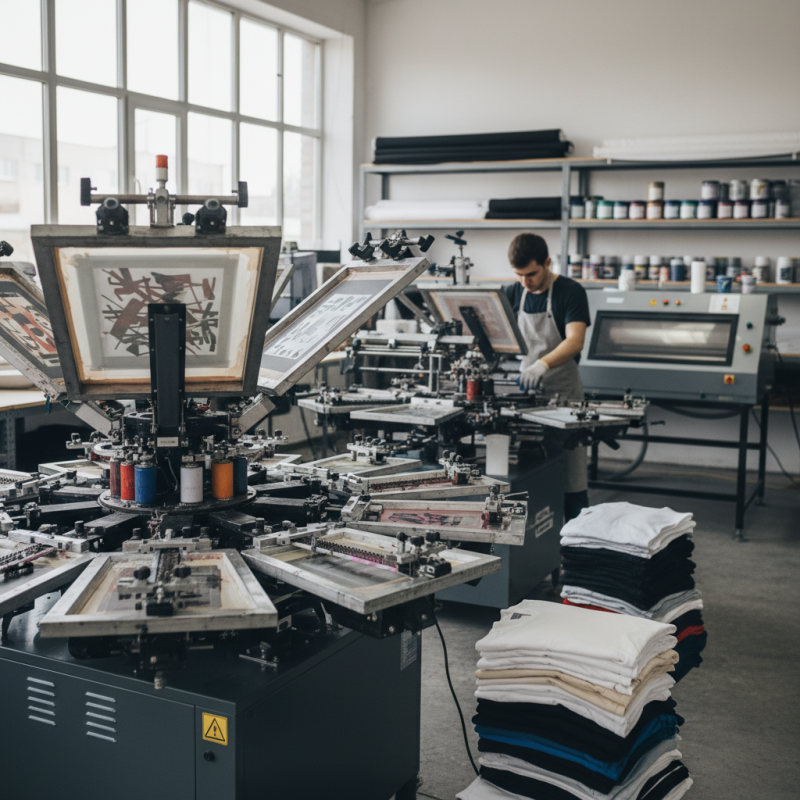
Silk screen printing, often called screen printing, is a popular technique used to produce high-quality images. This method involves pushing ink through a mesh screen to create designs on various surfaces. It’s known for its vibrant colors and durability. The basic process includes preparing a screen, applying a stencil, and finally inking the design.
When choosing a silk screen printer, consider your project needs. Different printers excel in varying areas. You might want a model with automatic registration features for precision. Or perhaps a more manual option that offers versatility for small projects.
Tips: Always check the printer's compatibility with your preferred inks. Each type can affect the final output. Testing with sample prints is also a wise move. It helps in understanding what each machine can produce.
Keep in mind that silk screen printing can be messy. You may find yourself cleaning up ink spills frequently. This can slow down production time and add to the workload. Embrace this aspect of the craft to improve your process.
Identifying Your Specific Printing Needs and Goals
When selecting a silk screen printer, understanding your unique printing needs is crucial. Over 70% of businesses report that misaligned expectations lead to project delays, highlighting the need for clarity. Assess the materials you'll print on. Different fabrics or surfaces require distinct ink types and printing techniques. For example, cotton and polyester often behave differently under the same printing conditions.
Consider the quantity you'll need too. Research shows that smaller runs can be costly; larger orders typically reduce per-unit expenses. Yet, it's important to balance that against storage capabilities. Running out of space to store printed goods can create unnecessary logistic challenges.
Customization plays a vital role as well. Your design intricacies might necessitate specific machinery or skilled operators. Many companies overlook the expertise required for complex designs, resulting in poor-quality outcomes. Reflect on your goals. Are you aiming for high-volume production or an exclusive art piece? The answers to these questions will guide your choice in finding the right silk screen printer.
Evaluating Different Types of Silk Screen Printers Available
When choosing a silk screen printer, it's important to evaluate the types available. There are manual and automatic printers. Manual printers offer versatility and control, while automatic ones boost production speed. Both types have their advantages and drawbacks.
Tips: Consider your print volume. High volumes may require an automatic printer. If you are just starting, a manual printer might suit your needs better.
Think about the size of your designs too. Larger printers accommodate bigger screens. However, they can take up extra space. This consideration can impact your workspace setup.
You might find some machines difficult to use. Reading user reviews can help gauge real-world experiences. If possible, try demoing a machine before committing. Investing time in research will pay off.
Comparing Quality, Cost, and Features of Various Printers
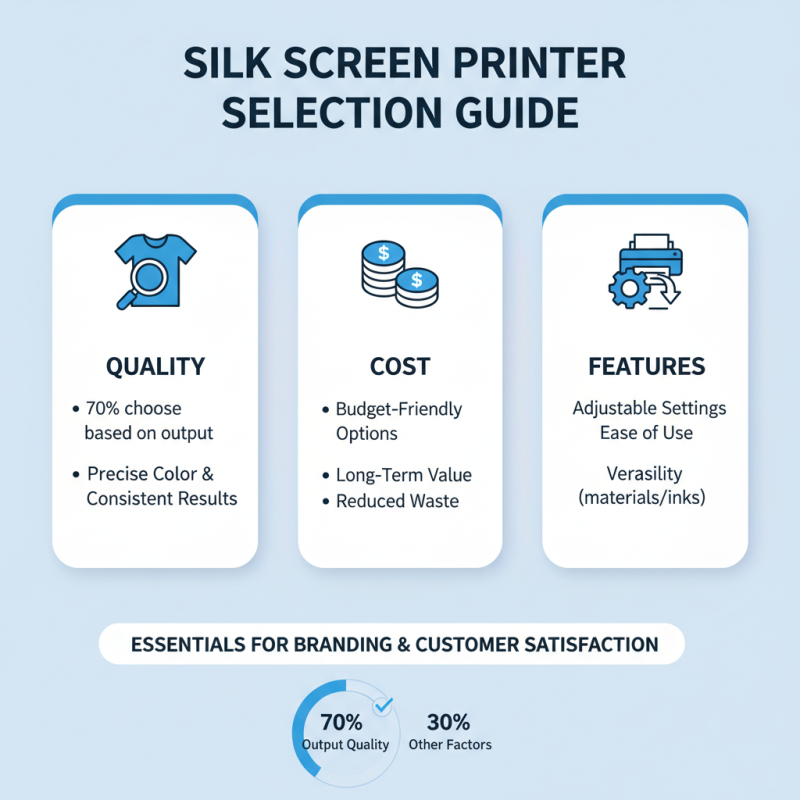
When selecting a silk screen printer, quality, cost, and features play critical roles. Recent studies show that about 70% of businesses choose printers based on output quality. High-quality prints are essential for branding and customer satisfaction. Look for printers that offer precise color matching, durability, and consistent results. Users often value printers with adjustable settings to enhance print quality. A printer that lacks these features can fall short of expectations.
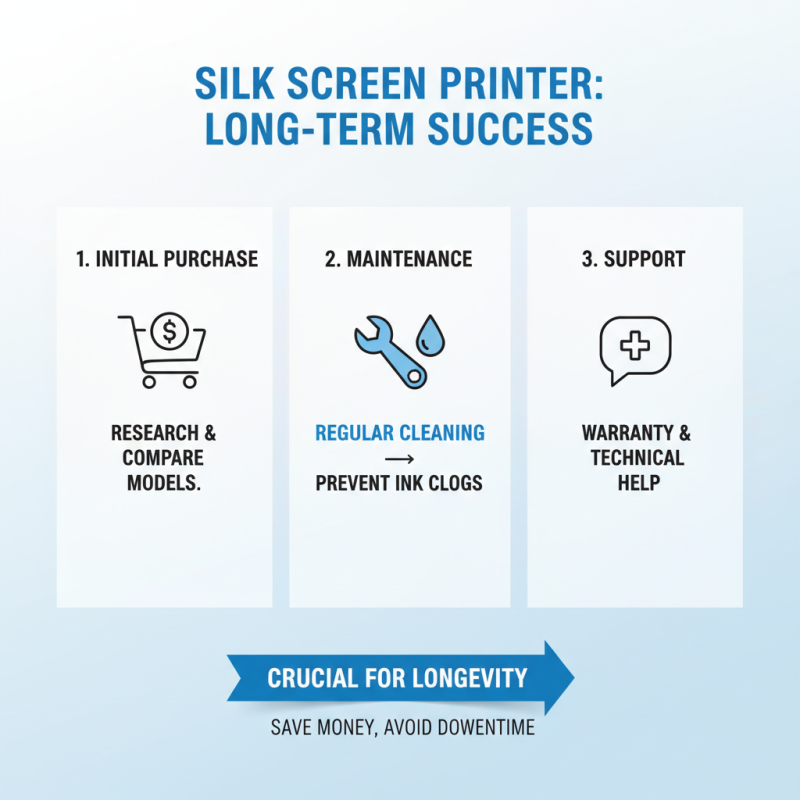
Cost is another vital consideration. A survey revealed that nearly 60% of small businesses operate on tight budgets. While more expensive models may deliver superior quality, some affordable options offer great value. It’s essential to assess not only the initial purchase price but also the long-term costs, such as maintenance. A low-cost printer may lead to higher expenses over time due to frequent repairs or consumable needs.
Features can significantly influence your decision-making process. Many printers today have advanced capabilities, such as automatic registration and faster production speed. However, some models come loaded with features that may be unnecessary for smaller operations. Evaluate your specific needs carefully. A feature-rich printer might seem attractive but could overcomplicate the workflow. Finding the right balance is often challenging. Consider your current and future needs to avoid buyer’s remorse.