How to Choose the Best Trademark Printing Machine for Your Needs?
When selecting a Trademark Printing Machine, the right choice can significantly impact your brand's visibility and effectiveness. According to a recent industry report by Smith & Co., the demand for high-quality printing solutions has surged by 30% this year. Choosing the right equipment is not just a matter of cost—it’s about matching your needs with the best technology available.
Expert Samuel Reed states, “Investing in a quality Trademark Printing Machine ensures that your branding is both professional and eye-catching.” His insight underscores the crucial role of high-quality equipment in successful branding. However, many businesses overlook essential features, which can lead to subpar results.
With a myriad of options on the market, making the best choice can feel overwhelming. Certain machines may excel in speed but lack color accuracy. Others might be compact but unsuitable for large-scale operations. These complexities require thoughtful consideration and reflection to ensure your investment pays off in the long run.
Understanding Your Printing Needs and Requirements
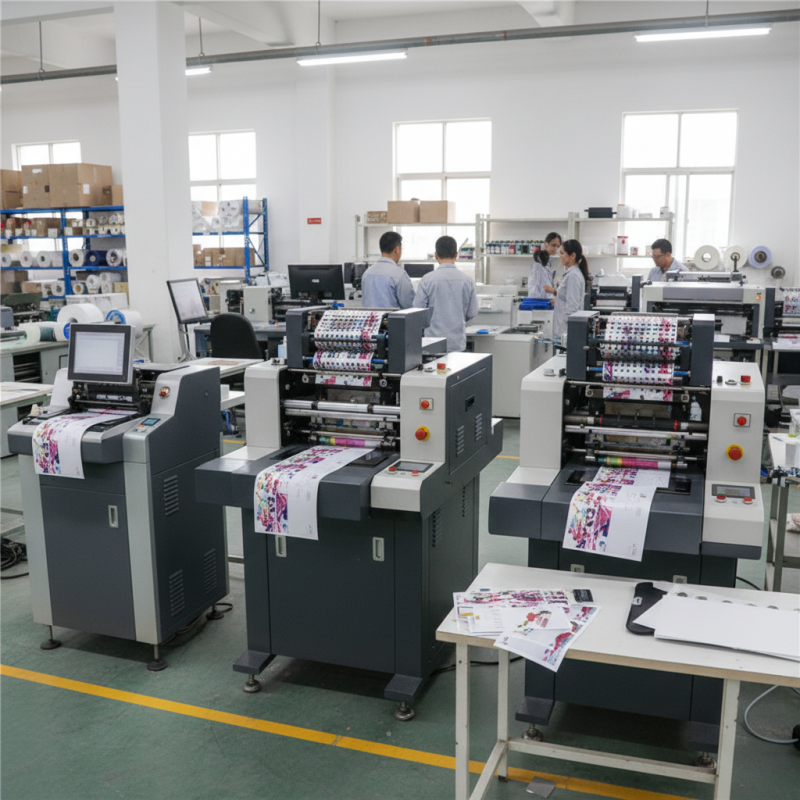
Choosing the right trademark printing machine starts with understanding your specific needs. Different businesses have varying requirements. For instance, a small enterprise may only need limited batch printing, while larger organizations require high-volume output. According to a 2022 industry report, 65% of companies prioritize speed and quality over other features when selecting a printer.
Consider your material choices too. Depending on whether you are printing on labels, plastics, or fabrics, your machine must cater to those substrates. An in-depth study revealed that 75% of firms who switched to machines compatible with multiple materials saw significant productivity increases. However, compatibility can sometimes pose challenges. You may face delays in sourcing the right materials that sync with your new machine.
Budget is equally crucial. While cheaper options may save money upfront, maintenance costs can add up. A 2021 survey noted that 40% of businesses regretted their initial purchase due to high ongoing costs. Reflect on how often you plan to use the machine to justify the investment. Balancing initial costs with long-term expenses requires careful consideration.
Evaluating Different Types of Trademark Printing Machines
When evaluating different types of trademark printing machines, consider your specific requirements.
Different machines serve various applications. Some are ideal for small-scale operations, while others cater to larger businesses.
Think about the volume of printing you need. High-volume machines can be costly but save time and labor.
Tips: Assess the machine's speed and quality. A fast machine may not necessarily provide the best output.
Look for user reviews. They help pinpoint issues and performance hiccups.
Don't shy away from asking questions. Engage with users to gather insights.
Another factor is the type of materials. Certain machines are best for specific substrates.
Know what you plan to print on before making a choice.
Experimentation may lead to unexpected challenges, so remain flexible in your decision-making.
Sometimes, the cheapest option isn’t the best for your unique needs.
You might discover that a mid-range machine offers great quality and longevity.
Evaluate your options carefully, and trust your gut.
Key Features to Look for in a Printing Machine
When choosing a trademark printing machine, several key features can guide your decision. Print quality is crucial. Opt for a machine that delivers sharp and vibrant prints. The resolution should meet professional standards. Additionally, check the types of materials the machine can handle. Some may only print on paper, while others can work with plastics or textiles. Flexibility in material options expands your creative potential.
Speed is another essential factor. A machine that operates quickly can significantly boost productivity. If you need to produce high volumes, choose one with a faster printing rate. Don't overlook the ease of use. A user-friendly interface can save time and reduce errors during printing. Some machines also offer customizable settings, allowing for precise adjustments.
Consider the machine's durability and maintenance needs. Regular upkeep can be a hassle. Research common issues users face with similar machines. Are replacement parts easily accessible? Think about long-term costs, not just the initial price. An affordable machine might lead to higher expenses down the line. Balancing these factors is challenging, but it’s necessary for making an informed choice.
How to Choose the Best Trademark Printing Machine for Your Needs? - Key Features to Look for in a Printing Machine
| Feature |
Description |
Importance Level |
| Print Quality |
Resolution and clarity of printed trademarks. |
High |
| Speed |
The number of prints produced per hour. |
Medium |
| Ease of Use |
User-friendly interface and setup process. |
High |
| Versatility |
Ability to print on various materials and sizes. |
Medium |
| Maintenance |
Frequency and ease of required maintenance tasks. |
Low |
| Cost |
Initial investment and ongoing operational costs. |
High |
| Support and Warranty |
Availability of customer support and warranty terms. |
Medium |
Comparing Costs and Budget Constraints
When choosing a trademark printing machine, costs play a crucial role. The prices of these machines can vary widely.
Budget-conscious buyers often feel overwhelmed by the options available. Some machines are just too expensive for smaller businesses.
Others may seem affordable but have hidden costs.
Consider the long-term expenses involved. Maintenance, ink, and replacement parts can add up quickly.
Look for a machine that fits your budget but also meets your needs. A cheaper option may save money initially but could lead to frustration later.
It might not last long, requiring frequent repairs and downtime.
Evaluating your actual printing demands is essential. A machine that fits your needs can save money in the long run.
Analyzing how much you will print monthly helps clarify your choice. Sometimes, investing more upfront is wiser to avoid recurring issues.
Reflect on your decision-making process. It’s key to balance price and quality to support your business sustainably.
Maintenance and Support for Your Printing Equipment
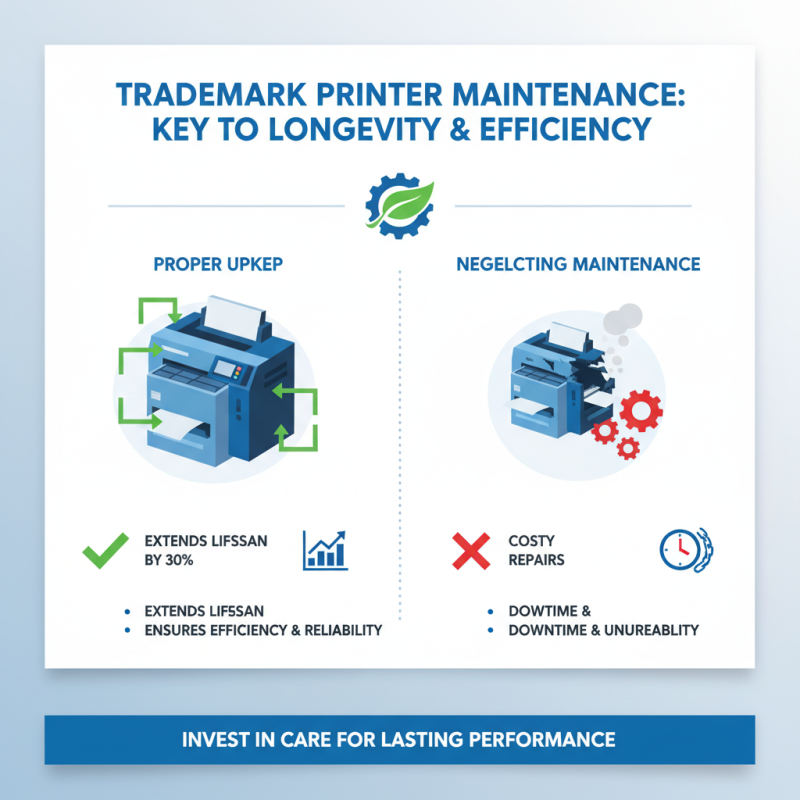
When investing in a trademark printing machine, maintenance is key. Regular upkeep ensures efficiency and longevity. According to a recent industry report, proper maintenance can extend a printer's lifespan by up to 30%. Neglecting this aspect, however, can lead to costly repairs and downtime.
Support services are equally vital. A reliable support system helps troubleshoot issues rapidly. Without immediate assistance, production can halt. The same report highlights that businesses with strong support in place can reduce such downtime by 40%. It’s worth noting that not all machines come with comprehensive service agreements. This can be a critical gap if unexpected issues arise.
Many printer users struggle with the learning curve. Sometimes, even experienced operators face challenges. Training and ongoing support can make a world of difference. Investing in regular training sessions could mitigate potential errors. This step often gets overlooked. Balancing maintenance, support, and training leads to smoother operations and better results.